Master the Art of Homemade Oatmeal Cookies: Your Guiding Recipe
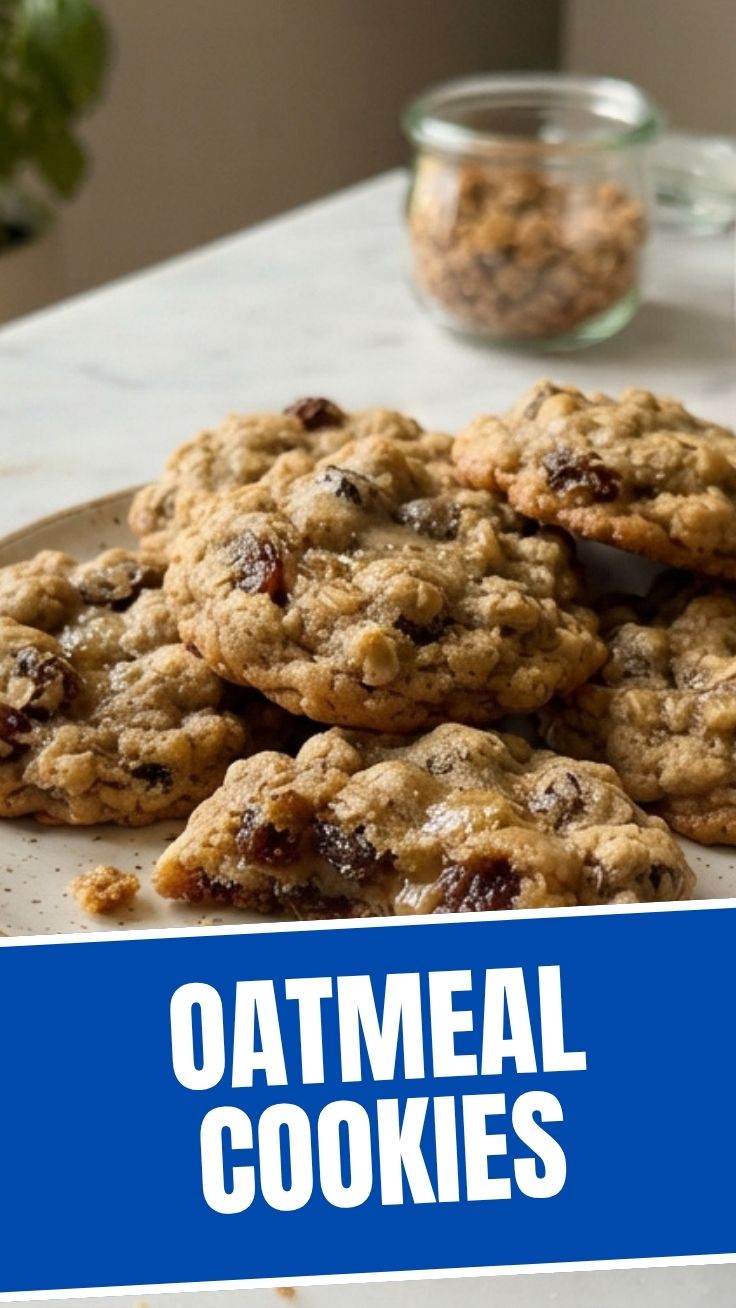
Ever bitten into a cookie so perfect it transported you back to childhood, conjuring images of warmth and simple joy? Today, we’re diving into the heartwarming world of homemade baking, specifically focusing on creating the ultimate Oatmeal Cookies. There’s an undeniable magic in preparing these classic treats yourself – the aroma filling your kitchen, the satisfaction of using fresh ingredients, and the sheer delight of a perfectly baked cookie. Forget generic store-bought versions; our recipe will guide you to a cookie that’s chewy, flavorful, and utterly irresistible. And for those who love a little something extra, we’ll also explore how to bake delicious oatmeal raisin cookies that are sure to become a family favorite. This guide isn’t just about mixing ingredients; it’s about crafting an experience, delivering a taste of home that rivals any bakery.
Ingredients & Kitchen Tools
Crafting the perfect batch requires a few simple staples and essential tools, with options for personalization.
1 cup (2 sticks) Unsalted Butter, softened: Essential for tenderness and flavor. Substitution: Salted butter, just reduce added salt by ¼ teaspoon.*
- ¾ cup Granulated Sugar: Provides sweetness and aids in browning.
- ¾ cup Packed Light Brown Sugar: Contributes to a rich, molasses-like flavor and chewy texture.
- 2 large Eggs: Binds ingredients and adds moisture.
1 teaspoon Vanilla Extract: Enhances overall flavor. Substitution: Almond extract for a different flavor profile.*
1 ½ cups All-Purpose Flour: The structural base of our cookies. Substitution: Gluten-free all-purpose flour blend (ensure it contains xanthan gum) for a gluten-free option.*
- 1 teaspoon Baking Soda: Leavening agent for a soft, chewy cookie.
- ½ teaspoon Salt: Balances sweetness and enhances other flavors.
3 cups Rolled Oats (Old-Fashioned): The star ingredient, providing texture and nutrients. Avoid instant oats as they absorb too much liquid too quickly.*
1 cup Raisins (optional, for oatmeal raisin cookies): Adds natural sweetness and chewiness. Substitution: Dried cranberries or chopped dried apricots.*
- Large Mixing Bowls: Two or three are helpful for separating wet and dry ingredients.
- Electric Mixer (stand or hand-held): For creaming butter and sugar efficiently.
- Rubber Spatula: For scraping bowls and folding ingredients.
- Baking Sheets: Essential for baking the cookies evenly.
- Parchment Paper or Silicone Baking Mats: Prevents sticking and aids in easy cleanup.
- Measuring Cups and Spoons: For accurate ingredient quantities.
Prep Time & Cooking Schedule
- Prep Time: 15 minutes
- Chill Time: 30 minutes (minimum, highly recommended for best texture!)
- Cook Time: 10-12 minutes per batch
- Total Time: Approximately 1 hour (including chilling)
The chilling time is crucial for allowing the flavors to meld and preventing the cookies from spreading too much, ensuring a wonderfully chewy texture. Plan accordingly for this important step.
Step-by-Step Instructions
1. Preheat Oven & Prep Baking Sheets: Preheat your oven to 350°F (175°C). Line two baking sheets with parchment paper or silicone baking mats.
2. Cream Wet Ingredients: In a large mixing bowl, using an electric mixer, cream together the softened butter, granulated sugar, and brown sugar until light and fluffy (2-3 minutes). Beat in the eggs one at a time, then stir in the vanilla extract until well combined.
3. Combine Dry Ingredients: In a separate medium bowl, whisk together the all-purpose flour, baking soda, and salt.
4. Combine Wet and Dry: Gradually add the dry ingredients to the wet ingredients, mixing on low speed until just combined. Do not overmix.
5. Fold in Oats (and Raisins): Stir in the rolled oats. If you’re making oatmeal raisin cookies, gently fold in the raisins now. For perfect Oatmeal Cookies that maintain their shape and develop deep flavor, the dough benefits immensely from a brief chill.
6. Chill the Dough: Cover the bowl with plastic wrap and refrigerate for at least 30 minutes. This step is vital for preventing spreading and results in a chewier cookie.
7. Scoop and Bake: Drop rounded tablespoons of dough onto the prepared baking sheets, leaving about 2 inches between each cookie.
8. Bake: Bake for 10-12 minutes, or until the edges are golden brown and the centers are still slightly soft.
9. Cool: Let the cookies cool on the baking sheets for 5 minutes before transferring them to a wire rack to cool completely.
Nutritional Benefits & Advantages
Oatmeal cookies, particularly those made with wholesome rolled oats, offer more than just a delicious treat. Oats are an excellent source of fiber, which aids digestion and can help regulate blood sugar levels. They also contain beta-glucans, a type of soluble fiber known to help lower cholesterol. Furthermore, oats provide essential minerals like manganese, phosphorus, magnesium, and zinc. When you bake at home, you control the sugar content and can opt for less refined sugars, making your cookies a more mindful indulgence.
Tips, Variations & Cooking Advice
- Crispier Cookies: For a crispier texture, add an extra minute or two to the baking time and flatten the dough balls slightly before baking.
- Chewier Cookies: Ensure your butter isn’t melted, just softened. Undercooking slightly (centers still look a bit doughy) and chilling the dough for longer will also enhance chewiness.
- Flavor Boosts: Add a pinch of cinnamon or nutmeg for a warmer spice profile. A tablespoon of molasses can also deepen the flavor profile.
- Mix-ins: Beyond raisins, consider chocolate chips, chopped nuts (walnuts, pecans), or dried cranberries for delightful variations.
- Portion Control: Use a cookie scoop for uniform size, ensuring even baking.
Common Mistakes to Avoid
- Overmixing the Dough: Overworking the flour develops gluten too much, leading to tough cookies. Mix until just combined.
- Not Chilling the Dough: Skipping this step is the fastest way to flat, overly spread-out cookies. Don’t skip it!
- Overbaking: Cookies continue to bake slightly on the hot baking sheet after removal from the oven. Remove them when the edges are golden and the centers still look slightly soft.
- Greasing Baking Sheets: If using parchment paper or silicone mats, avoid greasing, as excess fat can cause spreading.
Storage & Meal Prep Tips
Store baked Oatmeal Cookies in an airtight container at room temperature for up to 5 days. To keep them soft, you can add a half slice of bread to the container. Unbaked cookie dough can be refrigerated for up to 3 days or frozen for up to 3 months. To freeze, roll dough into individual balls, place them on a baking sheet to freeze solid, then transfer to a freezer-safe bag. Bake from frozen, adding an extra 2-3 minutes to the baking time.
Conclusion
There you have it – the definitive guide to baking homemade Oatmeal Cookies that are far superior to anything store-bought. From the satisfying aroma that fills your kitchen to the delightful chewiness of each bite, this recipe delivers on every front. Whether you stick to the classic or venture into the delightful world of oatmeal raisin cookies, you’re not just baking; you’re creating moments. We encourage you to try this recipe, share your delicious results with us, and savor the simple pleasure of a perfectly baked homemade cookie. Happy baking!
FAQs
1. Can I use quick oats instead of rolled oats?
While possible, quick oats result in a different, often drier texture. Rolled oats are recommended for the best chewiness and structure.
2. My cookies spread too much. What went wrong?
The most common culprits are insufficient chilling time for the dough, butter that was too warm/melted, or an oven that isn’t at the correct temperature. Ensure butter is softened, not melted, and always chill the dough.
3. How can I make these cookies dairy-free?
Substitute unsalted butter with a high-quality plant-based butter substitute (like Miyoko’s Kitchen Cultured Vegan Butter).
4. Can I add other mix-ins to the oatmeal cookies?
Absolutely! Chocolate chips, chopped nuts (walnuts, pecans), dried cranberries, or even shredded coconut make excellent additions. Adjust quantities based on preference, usually about 1 cup total.
5. What’s the best way to ensure my cookies are chewy and not crunchy?
Use both white and brown sugar (the molasses in brown sugar adds chewiness), avoid overmixing, and slightly underbake the cookies (taking them out when the edges are set but the centers are still soft). Chilling the dough also significantly contributes to chewiness.