Squeeze the Day: Your Ultimate Guide to Perfect Lemonade (Classic Homemade)
Ever wonder what makes a truly refreshing drink on a hot summer day? It’s the perfect balance of sweet and tart, a vibrant burst of flavor that transports you to a simpler time. Today, we’re diving into the delightful world of Lemonade (Classic Homemade), a timeless beverage that brings joy with every sip. Preparing this classic at home isn’t just about saving money; it’s about customizing the taste to your exact preference, using fresh ingredients, and enjoying the satisfying process of crafting something truly delicious. Forget store-bought mixes; this comprehensive guide will walk you through creating the ultimate Homemade lemonade recipe, ensuring a delightful experience for your taste buds.
Ingredients & Kitchen Tools
Gathering the right ingredients and tools is the first step to a perfect pitcher of lemonade.
- Lemons (6-8 large, ripe): The star of the show. Look for brightly colored, firm lemons with thin skins, which yield more juice. Organic is a plus for zest.
- Granulated Sugar (1 cup, adjust to taste): Provides the essential sweetness. You can substitute with agave nectar, honey, or a sugar substitute for dietary needs.
- Water (4 cups, chilled): The base of your lemonade. Use filtered water for the best taste.
- Ice Cubes: For serving and chilling.
- Lemon Zester or Fine Grater: For extracting zest, which adds aromatic depth.
- Citrus Juicer: Manual or electric, to efficiently extract lemon juice.
- Large Pitcher (2-quart minimum): To assemble and serve your lemonade.
- Measuring Cups & Spoons: For accurate ingredient proportions.
- Large Spoon: For stirring.
- Fine-Mesh Sieve (optional): To strain pulp if you prefer a smoother lemonade.
Prep Time & Cooking Schedule
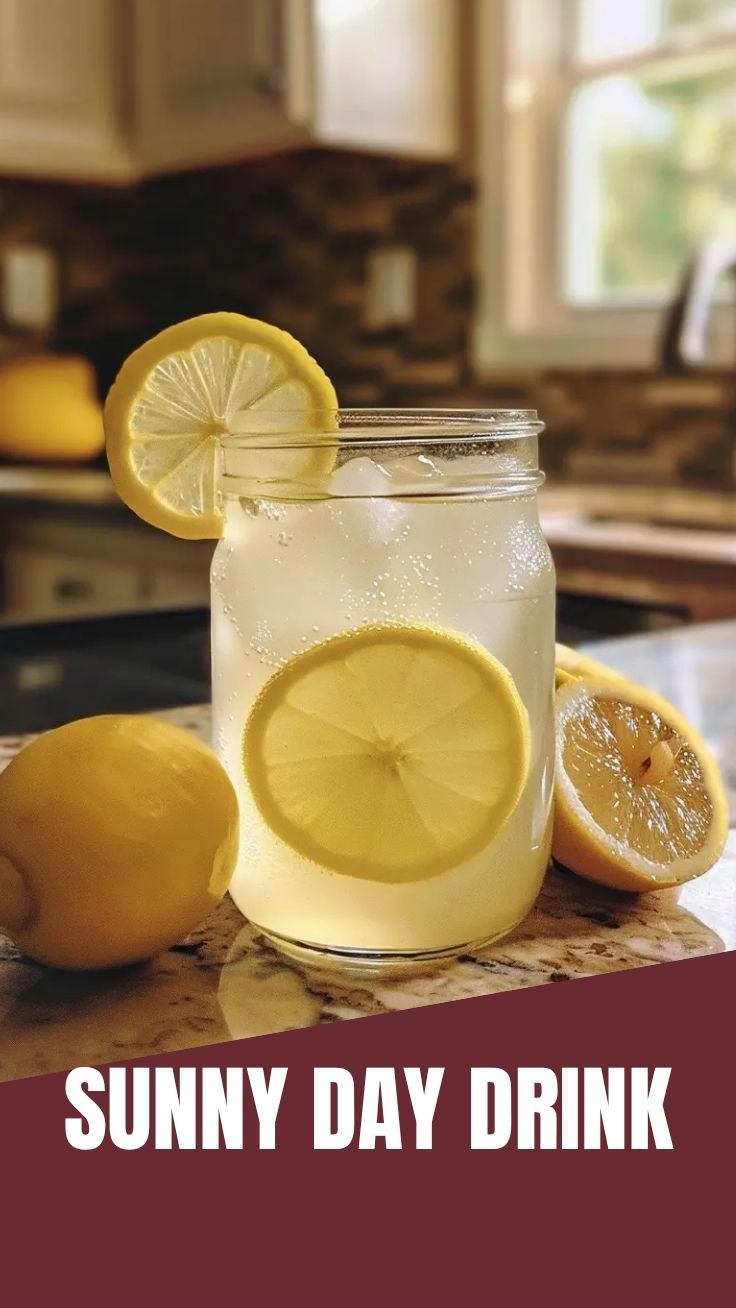
This recipe is wonderfully quick, making it ideal for spontaneous indulgence!
- Prep Time: 15 minutes (Includes zesting, juicing, and preparing the simple syrup)
- Chill Time: 30 minutes (Minimum, for optimal flavor melding and refreshment)
No cooking time is involved beyond dissolving the sugar. The key is allowing enough chill time for the flavors to fully develop and for your Lemonade (Classic Homemade) to reach its peak refreshing coolness.
Step-by-Step Instructions
Follow these simple steps to craft the perfect pitcher of Homemade lemonade recipe:
1. Prepare the Simple Syrup: In a small saucepan, combine 1 cup of water and 1 cup of granulated sugar. Heat over medium heat, stirring constantly until the sugar is completely dissolved. Remove from heat and let it cool completely. This prevents the sugar from recrystallizing and ensures smooth sweetness.
2. Zest the Lemons (Optional, but Recommended): Carefully zest 1-2 of your lemons. Ensure you only get the bright yellow part, avoiding the bitter white pith. Set aside the zest for later or infuse it directly into your simple syrup for a more pronounced lemon flavor.
3. Juice the Lemons: Cut your lemons in half and juice them using a citrus juicer. You’ll need approximately 1 cup of fresh lemon juice. If you prefer a pulp-free lemonade, strain the juice through a fine-mesh sieve.
4. Combine Ingredients: In your large pitcher, combine the cooled simple syrup, fresh lemon juice, and the remaining 3 cups of cold water.
5. Stir and Taste: Stir vigorously to ensure all ingredients are well combined. Taste and adjust sweetness as needed. If it’s too tart, add a bit more simple syrup (already prepared, or make a small extra batch). If too sweet, add a touch more lemon juice or water.
6. Chill and Serve: Add a few lemon slices and some of the reserved zest (if using) to the pitcher for garnish and extra aroma. Refrigerate for at least 30 minutes to allow the flavors to meld and the lemonade to chill thoroughly. Serve over plenty of ice.
Nutritional Benefits & Advantages
Beyond its delightful taste, Lemonade (Classic Homemade) offers several advantages:
- Vitamin C Boost: Lemons are an excellent source of Vitamin C, a powerful antioxidant that supports immune function and skin health.
- Hydration: A delicious way to stay hydrated, especially important during warmer months or after physical activity.
- Digestive Aid: Lemon water is often consumed to aid digestion and can help stimulate the digestive system.
- Natural Electrolytes: While not as potent as sports drinks, lemons contain natural electrolytes like potassium.
- Customizable: You control the sugar content, avoiding the excessive amounts often found in commercial beverages.
Tips, Variations & Cooking Advice
- Herbal Infusion: Add fresh mint, basil, or rosemary sprigs to the pitcher when chilling for an aromatic twist.
- Fruity Fun: Muddle berries (strawberries, blueberries, raspberries) at the bottom of your serving glass, or add sliced fruit directly to the pitcher for a fruit-infused lemonade.
- Sparkling Sensation: Replace some or all of the still water with sparkling water or club soda for a fizzy treat.
- Ginger Zing: Add a few slices of fresh ginger to your simple syrup as it heats for a delightful spicy kick.
- Less Sugar? Gradually reduce the sugar in your simple syrup until you find a sweetness level that suits your palate. You can always add more, but you can’t take it away!
- Make Ahead: Prepare the lemon juice and simple syrup in advance and store them separately in the refrigerator. Combine just before serving for ultimate freshness.
Common Mistakes to Avoid
- Using Hot Simple Syrup: Adding hot syrup to cold lemon juice and water can dilute the flavor and make the lemonade lukewarm. Always cool the syrup first.
- Skipping Zest (or Zesting Incorrectly): The zest contains essential oils that add significant aromatic depth. Avoid the white pith, which is bitter.
- Over-Sweetening: It’s easier to add more sugar than to correct an overly sweet drink. Taste as you go.
- Not Chilling Enough: Warm lemonade is simply not as refreshing. Give it ample time in the fridge.
- Ignoring Lemon Freshness: Dull, old lemons yield less juice and less vibrant flavor. Fresh is best!
Storage & Meal Prep Tips
Storing your Homemade lemonade recipe properly ensures its freshness and flavor.
- Refrigeration: Store in a tightly sealed pitcher or container in the refrigerator for up to 5-7 days. The flavor might slightly mellow over time.
- Freezing (Concentrate): You can freeze the lemon juice-simple syrup concentrate (before adding the bulk of the water) in ice cube trays or airtight containers for future use. Thaw and dilute with water when ready to serve.
- Reheating: Lemonade is typically served cold and is not meant to be reheated.
Conclusion
There’s nothing quite like a glass of homemade lemonade to quench your thirst and lift your spirits. This guide has shown you how to master the art of making a perfect Lemonade (Classic Homemade), emphasizing fresh ingredients and balanced flavors. By following these steps and incorporating our tips, you’ll be able to create a delightful Homemade lemonade recipe that’s superior to any store-bought version. So go ahead, squeeze some lemons, enjoy the process, and share your refreshing creation with friends and family! What are your favorite lemonade variations? Let us know in the comments below!
FAQs
Q: Can I use bottled lemon juice instead of fresh?
A: While you can, fresh lemon juice is highly recommended for the best flavor. Bottled juice often contains preservatives and lacks the bright, nuanced taste of freshly squeezed lemons.
Q: How can I make my lemonade less tart without adding more sugar?
A: You can try adding a pinch of salt to balance the flavors, or a small amount of an herbal infusion (like mint) which can temper the tartness perception. Diluting with a tiny bit more water can also help.
Q: How do I store leftover simple syrup?
A: Simple syrup can be stored in an airtight container in the refrigerator for up to 3-4 weeks. It’s a versatile base for many other cocktails and beverages!
Q: My lemonade tastes watery. What went wrong?
A: This usually happens if you added too much water or not enough lemon juice/simple syrup concentrate. Ensure you’re using the specified ratios and taste as you go to adjust. Also, ensure your simple syrup was completely cooled so it didn’t dilute the flavors excessively.
Q: Can I use different types of sugar?
A: Yes! You can experiment with brown sugar for a richer, deeper flavor, or substitute with honey or agave nectar for alternative sweetness. Adjust quantities to achieve your desired level of sweetness, as their sweetness intensity varies.