Unlock the Zest: Crafting the Perfect Homemade Salsa for Every Occasion
Ever wondered how to elevate your meals with a vibrant, fresh burst of flavor that’s both healthy and incredibly satisfying? The secret often lies in the sauces, and today, we’re diving deep into the art of making Homemade Salsa. Forget bland, store-bought alternatives; imagine a concoction where every ingredient, especially the glorious Fresh tomatoes, sings with garden-fresh goodness. Crafting this essential condiment at home isn’t just about taste; it’s about control over ingredients, incredible freshness, and the sheer joy of creating something truly special. This recipe will guide you through making a spectacular homemade salsa that will become a staple in your kitchen, perfect for dipping, topping, or adding a zesty kick to any dish.
Ingredients & Kitchen Tools
To embark on your salsa-making journey, gather these essential items:
- 1 ½ lbs Fresh tomatoes: Roma or vine-ripened work best for their firm flesh and balanced sweetness.
- ½ red onion: Finely diced for a mild, crisp bite.
- 1-2 jalapeños (or serranos): Minced, seeds removed for less heat, or left in for a spicier kick.
- ½ cup fresh cilantro: Roughly chopped, essential for that authentic salsa aroma.
- 2 cloves garlic: Minced, for a pungent foundation.
- 1 lime: Juiced, to brighten flavors and add tang.
- 1 tsp cumin: Ground, for a warm, earthy undertone.
- ½ tsp salt: Or to taste, the ultimate flavor enhancer.
- ¼ tsp black pepper: Freshly ground, for a subtle spice.
- Optional: 1 bell pepper (any color): Diced, for added sweetness and texture.
- Optional: 1 avocado: Diced, for a creamy, rich addition, transforming it into a salsa-guacamole hybrid.
Kitchen Tools:
- Large mixing bowl: For combining all ingredients.
- Cutting board & sharp knife: For precise dicing and mincing.
- Citrus juicer: To efficiently extract lime juice.
- Spoon or spatula: For mixing.
Prep Time & Cooking Schedule
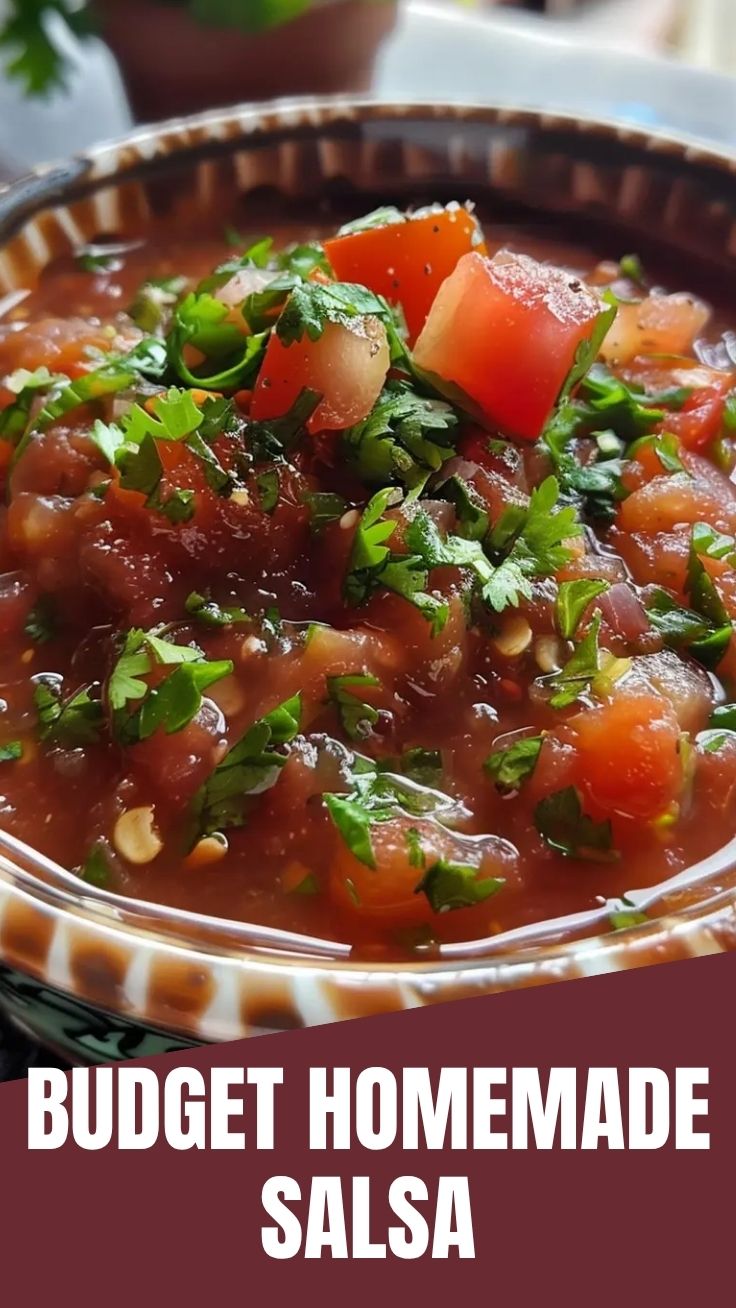
Making this vibrant homemade salsa is surprisingly quick, allowing you to enjoy its fresh flavors without a long wait.
- Prep Time: 15 minutes – This includes washing, dicing, mincing, and chopping all your ingredients.
- Marinating Time: 30 minutes (minimum) – While technically not “cooking,” allowing the salsa to sit helps the flavors meld beautifully. For best results, let it chill in the refrigerator for at least half an hour before serving. This infuses the red onion and jalapeño into the tomatoes, creating a harmonious blend.
- Total Time: 45 minutes
Plan to prepare this ahead of your meal or gathering, as the marinating phase is crucial for developing its complex profile.
Step-by-Step Instructions
Crafting your own Homemade Salsa is a straightforward process that rewards precision and patience. By carefully selecting and preparing your Fresh tomatoes, you’re laying the foundation for a truly exceptional condiment.
1. Prepare the Tomatoes: Wash your fresh tomatoes thoroughly. For a smoother salsa, you can blanch and peel them, but for a rustic texture, simply dice them into small, uniform pieces. Aim for about ¼ to ½ inch cubes. Place them in your large mixing bowl.
2. Dice and Mince: Finely dice the red onion and add it to the bowl. Mince the garlic cloves and add them. If using jalapeños, remove the seeds and membranes for less heat, then finely mince and add to the bowl. Add any optional diced bell pepper at this stage.
3. Chop Cilantro: Roughly chop the fresh cilantro and incorporate it into the tomato mixture.
4. Season and Flavor: Squeeze the juice from the lime directly over the ingredients. Add the ground cumin, salt, and black pepper.
5. Mix Thoroughly: Using a spoon or spatula, gently mix all the ingredients until they are well combined. Ensure the seasoning is evenly distributed.
6. Rest and Mingle: Cover the bowl and refrigerate for at least 30 minutes. This resting time is vital; it allows the flavors to meld and deepen, making your salsa more robust and cohesive.
7. Taste and Adjust: Before serving, give your homemade salsa a final taste test. Adjust salt, lime juice, or jalapeño heat as needed to suit your preference. If adding optional avocado, stir it in just before serving to prevent browning.
Nutritional Benefits & Advantages
This homemade salsa isn’t just delicious; it’s also packed with remarkable health benefits. Fresh tomatoes are a superstar, rich in lycopene—a powerful antioxidant known for its potential to reduce the risk of certain cancers and protect against heart disease. They also provide significant amounts of Vitamin C and K. Onions and garlic contribute immune-boosting compounds and anti-inflammatory properties. Jalapeños contain capsaicin, which can boost metabolism and reduce pain. Cilantro is a detoxifying herb, helping to remove heavy metals from the body. Low in calories and high in fiber, this salsa is a guilt-free way to add flavor, vitamins, and antioxidants to your diet, supporting overall wellness.
Tips, Variations & Cooking Advice
- Roasted Tomato Salsa: For a deeper, smoky flavor, roast your tomatoes, onions, and jalapeños before dicing. Toss them with a little olive oil, salt, and pepper, then roast at 400°F (200°C) until slightly charred.
- Fruit Salsa: Introduce diced mango, pineapple, or peaches for a sweet and savory twist. This pairs wonderfully with grilled fish or chicken.
- Smoky Heat: For an extra layer of heat and smokiness, add a pinch of smoked paprika or a finely minced chipotle in adobo.
- Herbal Infusion: Experiment with other herbs like fresh oregano or mint for a unique flavor profile.
- Consistency Control: For a chunkier salsa, dice ingredients larger. For a smoother, restaurant-style salsa, pulse briefly in a food processor, being careful not to over-blend into a purée.
Common Mistakes to Avoid
1. Over-Blending: If using a food processor, pulse only a few times. Over-blending will result in a watery, mushy salsa lacking texture.
2. Not Salting Enough: Salt is crucial for bringing out the flavors. Taste and adjust repeatedly. Undersalted salsa will taste flat.
3. Skipping the Rest Time: This is critical! Flavors need time to meld and deepen. Rushing this step results in a less cohesive and vibrant salsa.
4. Ignoring Seed Removal: For a milder salsa, always remove the seeds and membranes from jalapeños. These are where most of the heat resides.
5. Using Wilted Herbs: Fresh cilantro is non-negotiable. Wilted or brown cilantro will impart an off-flavor.
Storage & Meal Prep Tips
Store your homemade salsa in an airtight container in the refrigerator for up to 5-7 days. The flavors will continue to develop over the first day. While you can freeze salsa, the texture of the tomatoes might become a bit mushy upon thawing, so it’s generally best enjoyed fresh. If you plan to freeze, it’s advisable for cooking applications rather than fresh dipping. For meal prep, consider chopping all your ingredients ahead of time and storing them separately, then combining them just before the 30-minute marinating period to maintain optimal freshness.
Conclusion
Crafting your own Homemade Salsa is an incredibly rewarding culinary experience that brings unparalleled freshness and flavor to your table. By embracing the vibrant notes of Fresh tomatoes and other garden-fresh ingredients, you create more than just a condiment; you craft an edible masterpiece that elevates every dish. We encourage you to try this recipe, experiment with the variations, and share your delightful results. Your taste buds will thank you!
FAQs
Q1: Can I use canned tomatoes instead of fresh?
A1: While fresh tomatoes are highly recommended for the best flavor and texture, you can use good quality canned diced tomatoes, drained well, as a substitute if fresh are out of season.
Q2: How can I make my salsa spicier?
A2: To increase the heat, add more jalapeños or switch to serrano peppers. You can also leave the seeds and membranes in the peppers for maximum spice. A pinch of cayenne pepper also works.
Q3: My salsa tastes a bit bland. What went wrong?
A3: This often means it needs more salt or lime juice. These two ingredients are crucial for brightening and balancing the flavors. Taste and adjust incrementally until it pops.
Q4: Can I make this salsa in a food processor?
A4: Yes, but be very careful. Pulse the ingredients a few times briefly to avoid over-processing, which can turn your salsa into a watery purée.
Q5: What are some good uses for leftover salsa?
A5: Homemade salsa is incredibly versatile! Use it as a topping for grilled meats, scrambled eggs, in burritos, or as a vibrant base for a quick chili. It also makes a fantastic addition to salad dressings.