Unlocking the Secret to the Best Homemade Tomato Sauce
Ever wondered how to capture that sun-drenched, ripe tomato flavor in a sauce that tastes like pure summer? Crafting your own homemade tomato sauce is not just about cooking; it’s an act of culinary magic. It transforms simple ingredients into a rich, aromatic, and deeply satisfying experience that store-bought versions simply can’t replicate. Forget those jars of mediocre sauce; today, we’re diving into the art of making a truly exceptional homemade tomato sauce that will elevate countless dishes. And for those seeking vibrant, seasonal flavors, mastering Seasonal Tomato Sauce Recipes throughout the year is an absolute game-changer.
Ingredients & Kitchen Tools
- 2 lbs ripe Roma or San Marzano tomatoes, cored and roughly chopped: These varieties are ideal for sauce due to their low water content and rich flavor.
- 1/4 cup extra virgin olive oil: The foundation of flavor, provides a smooth base.
- 4-5 cloves garlic, thinly sliced or minced: Aromatic essential for depth.
- 1 small yellow onion, finely diced: Adds sweetness and complexity.
- 1/2 cup fresh basil leaves, roughly chopped, plus more for garnish: An essential herb that brightens the sauce.
- 1 teaspoon dried oregano: Earthy notes that complement the tomato.
- 1/2 teaspoon red pepper flakes (optional): For a subtle kick.
- 1 tablespoon unsalted butter (optional): Adds richness and a silky texture.
- Salt and freshly ground black pepper to taste: Crucial for seasoning.
- Large heavy-bottomed pot or Dutch oven: For even heat distribution.
- Immersion blender or food mill (optional): For a smoother sauce texture.
- Wooden spoon or spatula: For stirring.
Prep Time & Cooking Schedule
- Prep time: 20 minutes
- Cook time: 45-60 minutes (simmering)
- No resting or marinating time required.
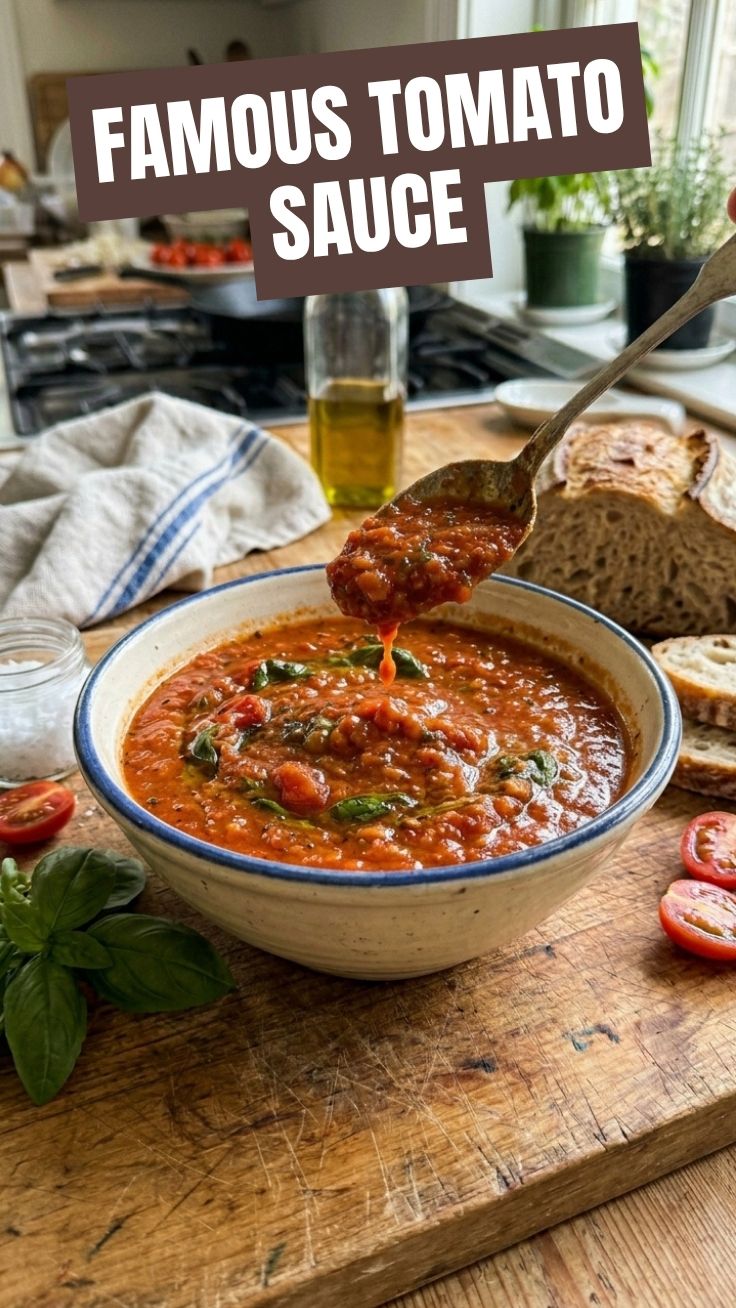
This recipe is perfect for a leisurely weekend cooking session or can be made ahead to enrich weeknight meals. The longer it simmers, the more the flavors meld and deepen, so feel free to extend the cooking time if you have extra time. The goal is a thick, luscious sauce.
Step-by-Step Instructions
1. Prepare the Aromatics: Heat the olive oil in your large heavy-bottomed pot or Dutch oven over medium heat. Add the diced onion and cook, stirring occasionally, until softened and translucent, about 5-7 minutes. Add the sliced garlic and red pepper flakes (if using) and cook for another 1-2 minutes until fragrant, being careful not to burn the garlic.
2. Add Tomatoes and Seasonings: Introduce the chopped tomatoes to the pot. Stir in the dried oregano, a generous pinch of salt, and a few grinds of black pepper. Bring the mixture to a gentle simmer.
3. Simmer and Reduce: Once simmering, reduce the heat to low, cover partially, and let the sauce cook for at least 30-45 minutes, stirring occasionally. The goal is for the tomatoes to break down and the sauce to thicken. For a truly exceptional homemade tomato sauce, consider letting it simmer for up to an hour to allow the flavors to deepen significantly. This slow cooking method is key to enhancing the natural sweetness of the tomatoes.
4. Achieve Desired Texture: For a chunkier sauce, simply mash the tomatoes with the back of your spoon against the side of the pot as it simmers. For a smoother sauce, carefully use an immersion blender directly in the pot, or pass the sauce through a food mill.
5. Finishing Touches: Remove the pot from the heat. Stir in the fresh basil and the optional tablespoon of butter. Taste and adjust seasoning as needed with more salt or pepper. For those exploring Seasonal Tomato Sauce Recipes, this is where you can truly appreciate the fresh, vibrant notes of ripe summer produce.
6. Serve: Ladle over your favorite pasta, use as a base for pizza, or pair with gnocchi. For example, check out this amazing recipe for Fresh Tomato Sauce (Summer).
Nutritional Benefits & Advantages
Crafting this sauce at home allows for complete control over ingredients, avoiding added sugars, excessive sodium, and artificial preservatives often found in commercial sauces. Tomatoes are a fantastic source of lycopene, a powerful antioxidant linked to various health benefits, including reduced risk of heart disease and certain cancers. They also provide significant amounts of Vitamin C, Vitamin K, and potassium. The fresh herbs contribute additional antioxidants and anti-inflammatory properties, making this not just a delicious choice, but a healthy one too.
Tips, Variations & Cooking Advice
- Sweetness Boost: If your tomatoes aren’t as sweet as you’d like, a pinch of sugar (1/2 teaspoon) can balance the acidity.
- Herb Variations: Experiment with fresh thyme or rosemary with the garlic and onion for a different aromatic profile.
- Spicy Kick: Increase the red pepper flakes for a spicier arrabiata-style sauce.
- Vegetable Boost: Add finely diced carrots or bell peppers with the onion for extra nutrients and flavor.
- Thickening: If your sauce is too thin, continue to simmer uncovered until it reaches your desired consistency.
Common Mistakes to Avoid
- Burning Garlic: Garlic cooks quickly. Add it after the onions are softened and keep a close eye on it to prevent bitterness.
- Undercooking: A tomato sauce needs time for the flavors to meld and for the tomatoes to break down properly. Don’t rush the simmering process.
- Over-seasoning Early: Season lightly at first, then taste and adjust at the end. It’s easier to add salt than to remove it.
- Using Mealy Tomatoes: The quality of your tomatoes directly impacts the flavor. Use fresh, ripe, firm tomatoes for the best results.
Storage & Meal Prep Tips
Your homemade tomato sauce can be a fantastic meal prep staple!
- Refrigeration: Store in an airtight container in the refrigerator for up to 5-7 days.
- Freezing: This sauce freezes beautifully. Divide into freezer-safe containers or bags, leaving some headspace for expansion. It will last for up to 3-4 months in the freezer. Thaw overnight in the refrigerator or gently reheat from frozen on the stovetop.
- Reheating: Reheat gently on the stovetop over low heat, stirring occasionally. Add a splash of water or broth if it seems too thick.
Conclusion
Creating your own homemade tomato sauce is a culinary rite of passage that rewards you with unparalleled flavor and satisfaction. From the careful selection of ripe tomatoes to the slow simmer that coaxed out their natural sweetness, every step contributes to a vibrant, robust sauce that will become a beloved staple in your kitchen. And remember, exploring Seasonal Tomato Sauce Recipes means you can enjoy this versatile staple year-round, adapting to the bounty of each season. Don’t hesitate to dive in and experience the magic of fresh homemade goodness. Share your creations and tell us how you served your delicious sauce in the comments below!
FAQs
Q1: Can I use canned tomatoes for this recipe?
A1: While fresh tomatoes are preferred for their vibrant flavor, high-quality canned San Marzano whole peeled tomatoes can be used as a substitute, especially when fresh ripe tomatoes are out of season. Drain them first and crush them by hand.
Q2: How can I make my sauce less acidic?
A2: A pinch of baking soda (1/4 teaspoon) can help neutralize acidity without adding sweetness. Alternatively, adding a little unsalted butter or a tiny bit of sugar can also balance the flavor.
Q3: What’s the best way to peel tomatoes before making sauce?
A3: To easily peel tomatoes, score an “X” on the bottom of each and blanch them in boiling water for about 30-60 seconds, then immediately transfer to an ice bath. The skins will slip off easily.
Q4: My sauce is too watery, what should I do?
A4: Continue to simmer the sauce uncovered over low heat. The excess liquid will evaporate, and the sauce will naturally thicken. You can also mash the tomatoes more aggressively to release their pulp, which acts as a natural thickener.
Q5: Can I make this sauce ahead for a party?
A5: Absolutely! Tomato sauce often tastes even better the next day as the flavors continue to meld. Prepare it a day or two in advance and reheat gently before serving.