Unlock the Secret to Restaurant-Quality French Onion Soup at Home!
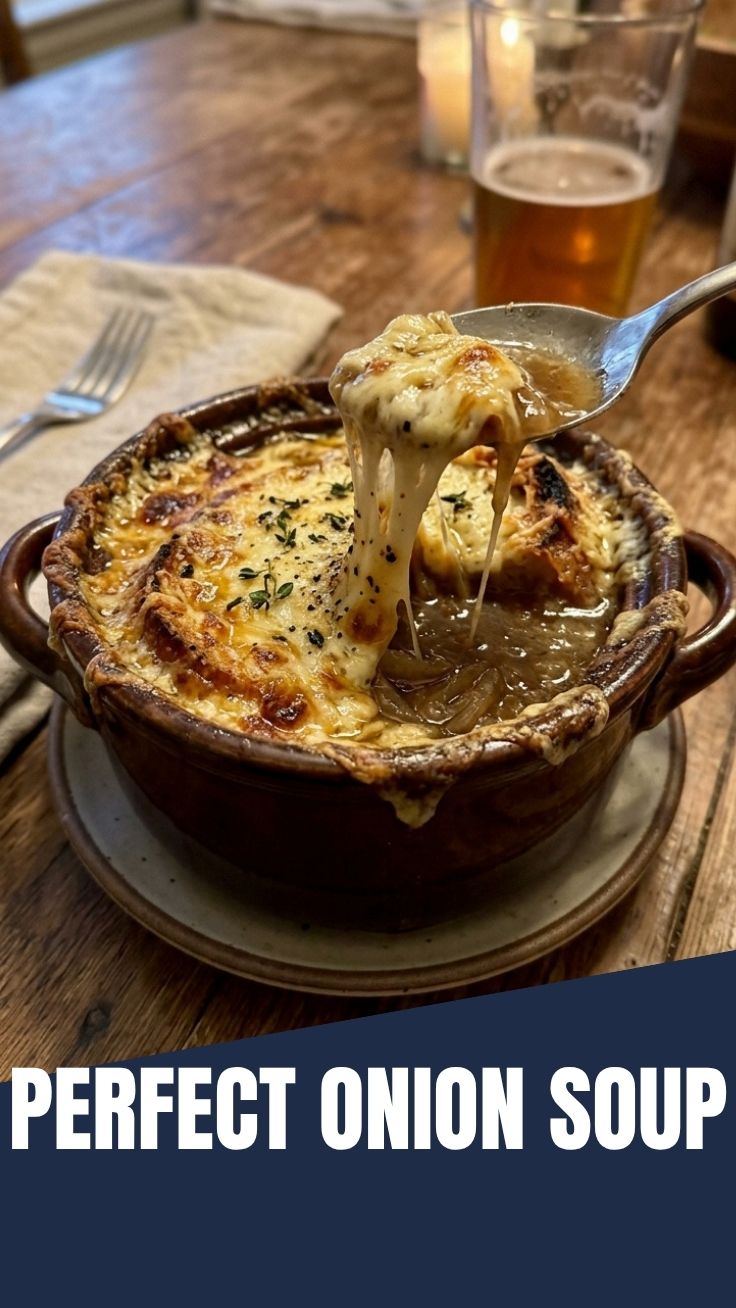
Ever wondered how to capture that rich, savory, and deeply satisfying flavor of a classic French Onion Soup right in your own kitchen? That bubbling, cheesy lid, the caramelized onions, and the aromatic broth – it’s a symphony for the senses, and frankly, a culinary delight many believe is best left to professional chefs. But what if I told you that mastering this iconic dish is not only achievable but immensely rewarding? Today, we’re diving deep into crafting the perfect homemade French Onion Soup, ensuring each spoonful transports you to a cozy bistro. And while we’re at it, imagine transforming those same foundational flavors into a tantalizing French onion dip for your next gathering! Preparing this soup at home not only saves you money but allows you to control the quality of ingredients, personalize the seasoning, and bask in the incredible aromas that will fill your kitchen.
Ingredients & Kitchen Tools
Crafting the perfect bowl of French Onion Soup requires a thoughtful selection of ingredients and the right culinary arsenal.
- Large Sweet Onions (5-6 medium, about 3 lbs): Vidalia, Walla Walla, or other sweet varieties are ideal for caramelization.
- Unsalted Butter (4 tbsp): Essential for slow caramelization and rich flavor.
- Olive Oil (2 tbsp): Helps prevent butter from burning at higher heats.
- Beef Broth (6 cups): High-quality, low-sodium beef broth or homemade stock is crucial for depth of flavor.
- Dry White Wine (1/2 cup): Such as Sauvignon Blanc or Pinot Grigio; adds acidity and complexity (optional but highly recommended).
- Cognac or Brandy (2 tbsp): A splash enhances the savory notes (optional).
- Bay Leaves (2): Adds subtle herbal aroma.
- Fresh Thyme Sprigs (4-5): Infuses an earthy, aromatic quality.
- All-Purpose Flour (2 tbsp): Helps thicken the broth slightly and create body.
- Salt & Freshly Ground Black Pepper (to taste): Season throughout the cooking process.
- Baguette or Crusty Bread (1 loaf): Sliced into 1-inch thick rounds for the iconic gratinée.
- Gruyère Cheese (10-12 oz): Grated; the quintessential cheese for its nutty, melting properties. Emmenthaler or Comté are good substitutions.
- Parmesan Cheese (1/4 cup): Grated; adds another layer of salty, umami flavor. (Optional)
Kitchen Tools:
- Large Dutch Oven or Heavy-Bottomed Pot: For even heat distribution during sautéing and simmering.
- Sharp Chef’s Knife: For precise onion slicing.
- Cutting Board: A stable surface for prep.
- Wooden Spoon or Heat-Proof Spatula: For stirring.
- Grater: For cheese.
- Oven-Safe Crocks or Bowls (6-8 oz capacity): For individual servings and broiling.
- Ladle: For serving.
Prep Time & Cooking Schedule
- Prep Time: 20 minutes (mostly for slicing onions, which can be done ahead).
- Cook Time: 2 hours (1 hour for caramelizing onions, 1 hour for simmering).
- Assembly & Bake Time: 10-15 minutes.
- Total Time: Approximately 2 hours 30 minutes.
This recipe is a labor of love, but much of the cooking time is hands-off. Plan to begin caramelizing your onions about 2.5 hours before you want to serve, especially if entertaining. The long, slow caramelization is non-negotiable for that deep, complex flavor.
Step-by-Step Instructions
1. Caramelize the Onions (The Heart of the Soup): In your large Dutch oven, melt butter and olive oil over medium-low heat. Add the sliced onions, salt generously, and cook slowly, stirring occasionally, for 45-60 minutes. The key here is patience; don’t rush. The onions should turn a deep, rich golden brown, almost mahogany, and be sweet and tender. Scrape up any browned bits from the bottom of the pot regularly; these are flavor bombs!
2. Deglaze: Once the onions are beautifully caramelized, increase heat to medium. Pour in the dry white wine (if using) and stir, scraping up any remaining browned bits from the bottom of the pot. Let it simmer for 2-3 minutes until most of the liquid has evaporated.
3. Add Flavor Builders: Stir in the flour and cook for 1 minute. Then, pour in the beef broth, add the bay leaves and fresh thyme sprigs. If using, add the cognac or brandy. Bring to a simmer, then reduce heat to low, cover partially, and let it cook for at least 30-45 minutes. This allows the flavors to meld beautifully.
4. Prepare for Serving: Preheat your broiler to high. Remove the bay leaves and thyme sprigs from the soup. Taste and adjust seasoning as needed.
5. Assemble & Gratinée: Ladle the hot French Onion Soup into oven-safe crocks. Place a slice or two of baguette on top of each bowl, ensuring it fits snugly. Generously sprinkle the grated Gruyère and Parmesan cheese over the bread.
6. Broil to Perfection: Carefully place the crocks on a baking sheet and transfer to the preheated broiler. Broil for 3-5 minutes, watching constantly, until the cheese is bubbling, melted, and golden brown. Serve immediately and enjoy your homemade goodness, perhaps inspired by a delightful French onion dip.
Nutritional Benefits & Advantages
French Onion Soup, while often perceived as indulgent, offers several surprising benefits. Onions are rich in antioxidants, particularly quercetin, which boasts anti-inflammatory properties. The slow cooking process enhances the bioavailability of these beneficial compounds. Beef broth, especially homemade, can provide collagen and amino acids supportive of gut health. While cheese adds calories, it also delivers essential calcium and protein. This soup is a heartwarming, substantial dish that can be a complete meal, offering both satiety and a good dose of vitamins and minerals.
Tips, Variations & Cooking Advice
- Patience is a Virtue: The most crucial tip is to not rush the onion caramelization. This step determines the depth of flavor of your entire soup.
- Wine Alternatives: If you prefer to omit alcohol, you can use a splash of balsamic vinegar or apple cider vinegar to deglaze, or simply skip the wine altogether and proceed with the broth.
- Vegetarian Version: For a vegetarian French Onion Soup, substitute vegetable broth for beef broth and ensure your cheese is vegetarian-friendly (some Gruyère uses animal rennet).
- Gluten-Free: Use a gluten-free all-purpose flour blend or omit the flour entirely for a naturally gluten-free option, though the broth will be slightly thinner.
- Cheese Options: While Gruyère is traditional, other good melting cheeses include Swiss, Provolone, or even a sharp white cheddar.
- Advance Prep: Slice onions ahead of time and store them in the refrigerator. You can also caramelize the onions a day in advance to save time on cook day.
Common Mistakes to Avoid
- Rushing Onion Caramelization: Cooking onions too fast results in browned, but not truly caramelized, onions that lack the deep sweetness.
- Overcrowding the Pot: Too many onions at once will steam rather than brown. Cook in batches if necessary, or use a very large pot.
- Not Deglazing Properly: Missing those crucial browned bits (fond) stuck to the bottom of the pot means missing out on tons of flavor. Scrape diligently!
- Skimping on Seasoning: Onions and broth need ample seasoning. Taste and adjust salt and pepper throughout the process.
- Burning the Cheese: Keep a close eye on the broiler; cheese can go from perfectly golden to burnt in seconds.
Storage & Meal Prep Tips
The base soup can be made several days in advance and stored in an airtight container in the refrigerator for up to 3-4 days. It also freezes exceptionally well for up to 3 months. Thaw overnight in the refrigerator before reheating gently on the stovetop.
Do not assemble and broil until ready to serve. The bread will get soggy, and the cheese won’t be fresh. When reheating, bring the soup back to a simmer, then ladle into crocks, top with fresh bread and cheese, and broil as directed.
Conclusion
Mastering homemade French Onion Soup is a culinary triumph that will impress your family and friends and provide immense personal satisfaction. From the slow, patient caramelization of onions to the glorious, bubbly cheese topping, every step contributes to a dish that is truly more than the sum of its parts. Don’t be intimidated by the cook time; the results are absolutely worth it. Imagine serving this alongside a simpler starter, or even transforming those amazing flavors into a creative French onion dip. Give this recipe a try, embrace the process, and share your delicious results with us! What’s your secret to the perfect caramelized onion?
FAQs
Q: What kind of onions are best for French Onion Soup?
A: Sweet onions like Vidalia, Walla Walla, or yellow onions are ideal. Their higher sugar content leads to better caramelization and less bitterness.
Q: Can I make this soup without alcohol?
A: Absolutely! You can omit the white wine and cognac/brandy. If you want to replace the acidity from the wine, a splash of balsamic or apple cider vinegar during deglazing works well.
Q: My onions aren’t caramelizing, they’re just browning or getting mushy. What am I doing wrong?
A: You might have the heat too high, or you’re not cooking them long enough. True caramelization happens slowly over medium-low heat. Ensure you have enough fat (butter/oil) and stir frequently. Patience is key!
Q: Can I use vegetable broth instead of beef broth?
A: Yes, you can. The flavor profile will be different, leaning towards a lighter, more herbaceous soup, but it’s a great option for a vegetarian version. Look for rich, dark vegetable broths for the best results.
Q: How do I prevent the bread from getting soggy under the cheese?
A: Toasting your baguette slices lightly beforehand can help create a barrier. Also, ensure the soup is piping hot when you add the bread and cheese, and broil immediately.