Master the Creamy Dream: Your Ultimate Guide to Homemade Fettuccine Alfredo
Ever wondered how restaurants achieve that perfectly rich, velvety sauce that coats every strand of pasta? That seemingly magical consistency in dishes like Fettuccine Alfredo is not just a chef’s secret – it’s an art you can easily master in your own kitchen! Forget bland, store-bought jars; crafting this classic Italian American dish at home not only guarantees superior flavor but also allows you to control every ingredient. This comprehensive guide will walk you through creating an authentic and unforgettable homemade fettuccine Alfredo, a dish that often gets compared in its comforting decadence to a well-made Pasta Carbonara. Get ready to impress your taste buds and your dinner guests!
Ingredients & Kitchen Tools
To embark on your culinary journey to a perfect homemade fettuccine Alfredo, gather the following:
- 1 lb Fettuccine Pasta: The classic choice for its wide, flat strands that hold sauce beautifully. Feel free to use other pasta shapes if preferred.
- 1 cup (2 sticks) Unsalted Butter: The foundation of the rich Alfredo sauce. Unsalted allows you to control the seasoning.
- 2 cups Heavy Cream: Essential for that luxurious, creamy texture. Do not substitute with lighter creams, as they may curdle.
- 2 cups Freshly Grated Parmesan Cheese: (Parmigiano Reggiano is ideal) Grate it yourself for superior flavor and meltability. Pre-grated cheese often contains anti-caking agents that can make the sauce grainy.
- 2-3 cloves Garlic, minced: Adds a fragrant aromatic depth to the sauce. Adjust to your preference.
- Salt and Freshly Ground Black Pepper to taste: Crucial for balancing the richness and enhancing flavors.
- Fresh Parsley, chopped (for garnish): Adds a touch of freshness and color.
- Large Pot: For cooking the fettuccine.
- Large Skillet or Sauté Pan: For preparing the Alfredo sauce.
- Whisk: Essential for achieving a smooth, lump-free sauce.
- Tongs: For tossing the pasta with the sauce.
- Grater: For fresh Parmesan.
Prep Time & Cooking Schedule
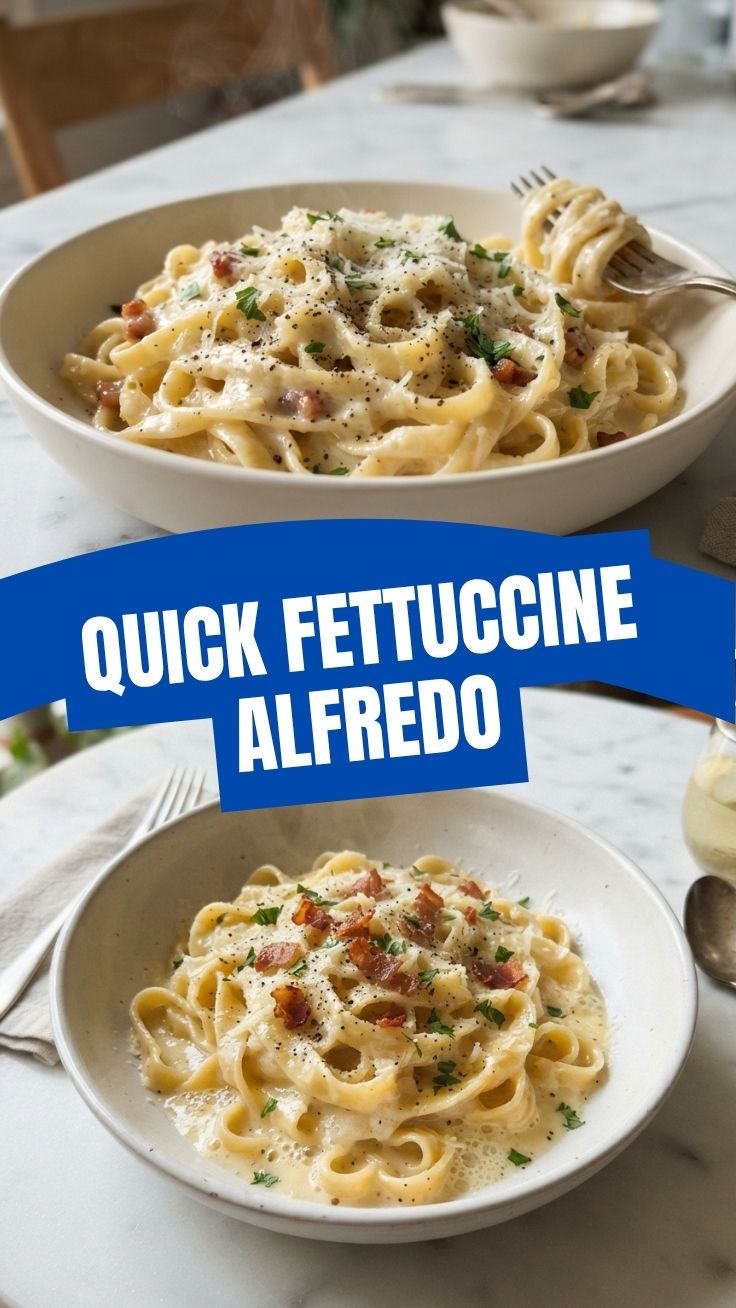
This recipe is surprisingly quick, making it perfect for a weeknight indulgence or a special occasion.
- Prep Time: 10 minutes (mincing garlic, grating cheese)
- Cook Time: 15-20 minutes (pasta cooking, sauce preparation)
- Total Time: 25-30 minutes
Plan to start your pasta water boiling as you begin preparing your sauce. The key is to have everything ready to go, as the sauce comes together quickly, and you want to toss the hot pasta directly into it for the best result.
Step-by-Step Instructions
1. Cook the Fettuccine: Bring a large pot of salted water to a rolling boil. Add the Fettuccine Alfredo and cook according to package directions until al dente. Before draining, reserve about 1 cup of pasta water. This starchy water is your secret weapon for achieving the perfect sauce consistency.
2. Melt the Butter: While the pasta cooks, melt the butter in a large skillet or sauté pan over medium-low heat.
3. Sauté Garlic: Add the minced garlic to the melted butter and sauté for about 1 minute, until fragrant. Be careful not to burn the garlic, as it will turn bitter.
4. Add Heavy Cream: Pour in the heavy cream and bring it to a gentle simmer, stirring occasionally. Do not allow it to boil vigorously.
5. Incorporate Parmesan: Remove the pan from the heat. Gradually add the freshly grated Parmesan cheese, whisking constantly until the cheese is fully melted and incorporated into the sauce. The sauce will begin to thicken. If the sauce seems too thick, add a tablespoon or two of the reserved pasta water until it reaches your desired consistency.
6. Season: Season the sauce generously with salt and freshly ground black pepper. Taste and adjust as needed. Remember, the pasta water was salted, and the Parmesan is salty, so add judiciously.
7. Combine Pasta and Sauce: Drain the cooked fettuccine (do not rinse!) and immediately add it to the skillet with the Alfredo sauce. Using tongs, toss the pasta thoroughly, ensuring every strand is coated in the luxurious sauce. The residual heat from the pasta will help the sauce cling beautifully. This creamy dish, much like a well-executed Pasta Carbonara, benefits from immediate serving.
8. Serve: Serve hot, garnished with fresh parsley and an extra sprinkle of Parmesan cheese if desired.
Nutritional Benefits & Advantages
While often seen as an indulgent dish, homemade fettuccine Alfredo offers some benefits. Dairy products like heavy cream and Parmesan are excellent sources of calcium, vital for bone health. Butter provides fat-soluble vitamins. The protein from the cheese and the carbohydrates from the pasta offer sustained energy. Making it at home also means you avoid preservatives and excessive sodium often found in pre-made sauces, giving you full control over ingredient quality.
Tips Variations & Cooking Advice
- Add Protein: Elevate your Alfredo by adding grilled chicken, sautéed shrimp, or even seared scallops. Cook them separately and toss them in at the end.
- Vegetable Boost: Sautéed mushrooms, spinach, or steamed broccoli florets can add color, texture, and extra nutrients.
- Spice It Up: A pinch of red pepper flakes can add a subtle kick.
- Gluten-Free: Simply use your favorite gluten-free fettuccine pasta.
- Nutmeg Twist: A tiny pinch of freshly grated nutmeg can enhance the savory notes of the sauce.
- Dairy-Free: This is a trickier substitution, but cashew cream or a combination of plant-based milks and nutritional yeast can mimic the creaminess and cheesiness.
Common Mistakes to Avoid
- Overcooking the Pasta: Mushy pasta is a no-go! Cook only until al dente.
- Using Pre-Grated Cheese: As mentioned, this can lead to a grainy sauce. Freshly grate your Parmesan for the smoothest result.
- Boiling the Cream Vigorously: This can cause the cream to separate or curdle. Keep it at a gentle simmer.
- Adding Cold Cheese to Hot Sauce: Remove the pan from the heat before incorporating the Parmesan. This prevents the cheese from clumping.
- Not Using Pasta Water: Don’t skip reserving pasta water! It’s crucial for achieving and adjusting the sauce’s perfect consistency.
Storage & Meal Prep Tips
Fettuccine Alfredo is best enjoyed fresh, as the sauce can thicken considerably upon cooling. However, if you have leftovers:
- Refrigeration: Store in an airtight container in the refrigerator for up to 2-3 days.
- Reheating: To reheat, gently warm in a skillet over low heat, adding a splash of milk, cream, or reserved pasta water to thin the sauce and bring it back to its creamy consistency. Stir constantly to prevent sticking. Avoid microwaving large portions, as it can cause the sauce to separate.
- Freezing: Freezing is not recommended as the dairy-based sauce tends to separate and become oily upon thawing.
Conclusion
Crafting homemade Fettuccine Alfredo is a deeply satisfying culinary experience that yields truly delicious results far superior to any store-bought version. With fresh ingredients, a few simple techniques, and a little patience, you can create a restaurant-quality meal that will delight your senses. Whether you’re a seasoned chef or a kitchen novice, this recipe is accessible and rewarding. So, go ahead, gather your ingredients, and prepare to indulge in the creamy, dreamy goodness of this classic. And who knows, once you master this, you might even find yourself venturing into the delightful complexities of a perfect Pasta Carbonara next! Share your creations with us – we love to see your culinary triumphs!
FAQs
Q1: Can I make the Alfredo sauce ahead of time?
A1: While best made fresh, you can prepare the sauce up to a day in advance and store it in the refrigerator. Reheat gently over low heat, whisking in a little milk or cream to restore its consistency.
Q2: My sauce is too thin/thick. How do I fix it?
A2: If too thin, continue to gently simmer for a few more minutes to reduce, or add a little more grated Parmesan. If too thick, whisk in a tablespoon at a time of warm milk, cream, or reserved pasta water until desired consistency is reached.
Q3: What’s the best type of Parmesan cheese to use?
A3: Always opt for a block of genuine Parmigiano Reggiano and grate it yourself. Its superior flavor and texture will make a significant difference in your sauce.
Q4: Can I add other cheeses to the sauce?
A4: While not traditional, you can experiment with a small amount of Pecorino Romano for a sharper, saltier flavor, or a touch of Fontina for extra creaminess. However, too many different cheeses can alter the classic Alfredo profile.
Q5: Why did my sauce curdle?
A5: Curdling often happens if the cream boils too vigorously, if cold cheese is added to very hot liquid, or if low-fat dairy is used. Ensure you use heavy cream, remove the pan from heat before adding cheese, and avoid rapid boiling.