Master the Art of Homemade Chicken Satay with Peanut Sauce
Tired of ordering takeout when you crave those succulent, perfectly grilled skewers? What if you could recreate the magic of authentic Chicken Satay with Peanut Sauce in your own kitchen? Preparing this classic Thai delight at home isn’t just about saving money; it’s about customizing flavors, using fresh ingredients, and impressing your loved ones with a dish that sings with exotic spices and a rich, creamy peanut sauce recipe. This guide will walk you through every step, ensuring your homemade version rivals any restaurant and becomes a staple in your culinary repertoire.
Ingredients & Kitchen Tools
- For the Chicken Satay:
* 1.5 lbs boneless, skinless chicken breasts or thighs (chicken breasts yield leaner results, while thighs are juicier)
* 1/4 cup full-fat coconut milk (adds creaminess and authentic Thai flavor)
* 2 tbsp fish sauce (provides umami depth; essential for Thai cuisine)
* 1 tbsp curry powder (adds warm, earthy notes and a signature yellow hue)
* 1 tbsp grated fresh ginger (bright, zesty aroma)
* 1 tbsp minced garlic (aromatic base)
* 1 tsp ground turmeric (for color and subtle earthiness)
* 1 tsp brown sugar (balances flavors, aids in caramelization)
* 1/2 tsp white pepper (subtler kick than black pepper)
* Wooden or metal skewers (soak wooden skewers for 30 minutes to prevent burning)
- For the Peanut Sauce:
* 1 cup creamy peanut butter (all-natural, unsweetened is best for controlled sweetness)
* 1/2 cup full-fat coconut milk (for creaminess and to thin the sauce)
* 1/4 cup lime juice (freshly squeezed for bright acidity)
* 2 tbsp soy sauce or tamari (for umami and saltiness; tamari for gluten-free)
* 1 tbsp honey or maple syrup (for sweetness, adjusts to taste)
* 1 tbsp rice vinegar (adds a tangy counterpoint)
* 1 tsp grated fresh ginger (enhances aromatic profile)
* 1-2 cloves minced garlic (adds a pungent, savory kick)
* 1/2 – 1 tsp red pepper flakes or Sriracha (for heat, adjust to preference)
* 2-4 tbsp warm water (to reach desired consistency)
- Kitchen Tools:
* Mixing bowls (various sizes for marinating and sauce)
* Whisk (for smooth sauce)
* Grater (for ginger)
* Cutting board and sharp knife (for prepping chicken)
* Grill or grill pan (preferred for char, or skillet/oven broiler)
* Tongs (for turning skewers)
* Measuring cups and spoons (for accurate ingredient ratios)
Prep Time & Cooking Schedule
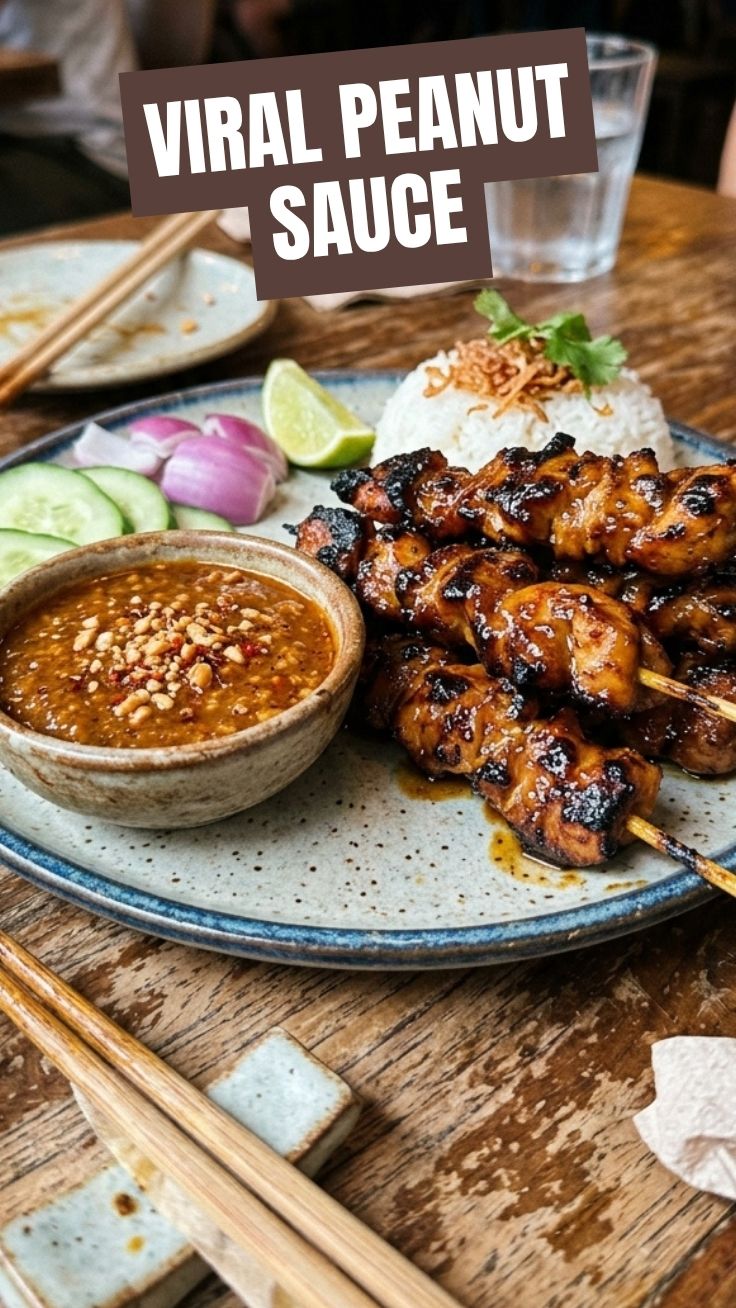
This recipe requires a bit of foresight due to marinating, but the hands-on time is manageable.
- Prep Time: 25 minutes (includes chopping and mixing)
- Marinating Time: Minimum 2 hours, ideally 4 hours, or overnight for best flavor absorption.
- Cook Time: 10-15 minutes (active grilling)
Schedule Context: Plan to marinate your chicken in the morning or the night before you intend to serve. This allows the flavors to truly penetrate the meat, resulting in a more tender and aromatic satay. The sauce can also be made ahead of time and stored in the fridge, making meal prep a breeze on cooking day.
Step-by-Step Instructions
1. Prepare the Chicken Marinade: Cut the chicken into thin strips or 1-inch cubes. In a large bowl, combine coconut milk, fish sauce, curry powder, grated ginger, minced garlic, turmeric, brown sugar, and white pepper. Mix well until everything is incorporated. Add the chicken to the marinade, ensuring all pieces are thoroughly coated. Cover and refrigerate for at least 2 hours, or preferably up to overnight.
2. Thread the Skewers: If using wooden skewers, soak them in water for at least 30 minutes to prevent burning. Thread the marinated chicken pieces onto the skewers, leaving a small space between each piece for even cooking. Don’t overcrowd them.
3. Prepare the Peanut Sauce Recipe: While the chicken marinates or as you thread skewers, prepare the sauce. In a medium bowl, whisk together peanut butter, coconut milk, lime juice, soy sauce, honey or maple syrup, rice vinegar, grated ginger, minced garlic, and red pepper flakes. Gradually add warm water, 1 tablespoon at a time, until the sauce reaches your desired consistency – thick enough to coat a spoon but pourable. Taste and adjust seasonings (more lime for tang, honey for sweetness, or Sriracha for heat).
4. Cook the Chicken Satay with Peanut Sauce: Preheat your grill or grill pan to medium-high heat. Lightly oil the grates or pan. Place the chicken skewers on the hot grill. Cook for 2-4 minutes per side, turning occasionally, until the chicken is cooked through, lightly charred, and registers an internal temperature of 165°F (74°C). The sugar in the marinade will help create a beautiful caramelization.
5. Serve: Remove the skewers from the grill and let them rest for a few minutes. Serve immediately with the prepared peanut sauce for dipping. Garnish with chopped cilantro or crushed peanuts if desired.
Nutritional Benefits & Advantages
Chicken satay is more than just delicious; it offers several nutritional perks. Lean chicken breast is an excellent source of high-quality protein, essential for muscle repair and satiety. Turmeric, a key spice in the marinade, is a powerful anti-inflammatory agent and antioxidant. Coconut milk provides healthy fats, while peanuts are rich in monounsaturated fats, fiber, and vitamins E and B3. Making it at home allows you to control sugar and sodium levels, making it a healthier alternative to many restaurant versions.
Tips, Variations & Cooking Advice
- Spice Level: Adjust red pepper flakes or Sriracha in the peanut sauce to your preference. For a milder touch, omit them entirely.
- Vegetarian Option: Substitute chicken with firm tofu or tempeh. Press and marinate the tofu/tempeh as you would the chicken.
- Alternative Cooking Methods: No grill? No problem! Bake the satay in the oven at 400°F (200°C) for 15-20 minutes, or pan-fry in a skillet until cooked through. A broiler can also provide a nice char.
- Thicker Sauce: If your peanut sauce is too thin, simmer it gently over low heat for a few minutes, stirring constantly, until it thickens.
- Freshness Boost: A sprinkle of fresh cilantro and a squeeze of fresh lime juice just before serving elevate the flavors.
Common Mistakes to Avoid
- Not Marinating Long Enough: This is crucial for flavor and tenderness. Don’t rush it!
- Overcooking the Chicken: Chicken satay cooks relatively quickly. Overcooked chicken will be dry and tough. Use a meat thermometer to ensure it reaches 165°F (74°C) without going over.
- Not Soaking Wooden Skewers: This will lead to burnt, splintered skewers and potentially ruined chicken.
- Crowding the Grill: Cook in batches if necessary to prevent the temperature from dropping and ensure even charring. Crowding leads to steaming rather than grilling.
- Skipping Fresh Ingredients: Fresh ginger, garlic, and lime juice make a huge difference in the vibrancy of both the chicken and the sauce.
Storage & Meal Prep Tips
- Cooked Chicken Satay: Store leftover cooked chicken satay in an airtight container in the refrigerator for up to 3-4 days.
- Peanut Sauce: The peanut sauce can be made ahead of time and stored in an airtight container in the refrigerator for up to a week. If it thickens too much, whisk in a little warm water or coconut milk until it reaches the desired consistency.
- Reheating: Reheat chicken satay gently in a microwave, oven, or on a grill pan to prevent drying out. A quick reheat in a hot pan can also restore some char.
Conclusion
Mastering homemade Chicken Satay with Peanut Sauce is a deeply rewarding culinary journey. By following these detailed steps, you can create a dish that’s not only incredibly delicious but also tailored to your taste and nutritional preferences. The interplay of aromatic spices in the chicken and the rich, creamy texture of the peanut sauce recipe makes this a truly unforgettable meal. Don’t hesitate to dive in and try this recipe – your taste buds (and your family!) will thank you. Share your creations and tips in the comments below!
FAQs
Q1: Can I use pre-ground ginger and garlic?
A1: While fresh is always best for flavor intensity, you can use 1/2 tsp of ground ginger and 1/2 tsp of garlic powder as a substitute for 1 tbsp fresh grated ginger and 1 tbsp minced garlic, respectively. Adjust to taste.
Q2: My peanut sauce is too thick/thin. How do I fix it?
A2: If too thick, gradually whisk in warm water or coconut milk until desired consistency is reached. If too thin, you can try simmering it gently on low heat for a few minutes, stirring constantly, to help it reduce and thicken, or add a little more peanut butter.
Q3: What if I don’t have a grill?
A3: You can bake the skewers in a preheated oven at 400°F (200°C) for 15-20 minutes, flipping halfway. For a touch of char, briefly finish them under a broiler. Alternatively, pan-fry them in a non-stick skillet over medium-high heat until cooked through.
Q4: Can I freeze chicken satay?
A4: Cooked chicken satay can be frozen for up to 2-3 months. Thaw overnight in the refrigerator and reheat gently. The peanut sauce can also be frozen, though its texture might change slightly upon thawing; a good whisk can usually restore it.