The Ultimate Comfort in a Bowl: Crafting the Perfect Homemade Chicken Noodle Soup
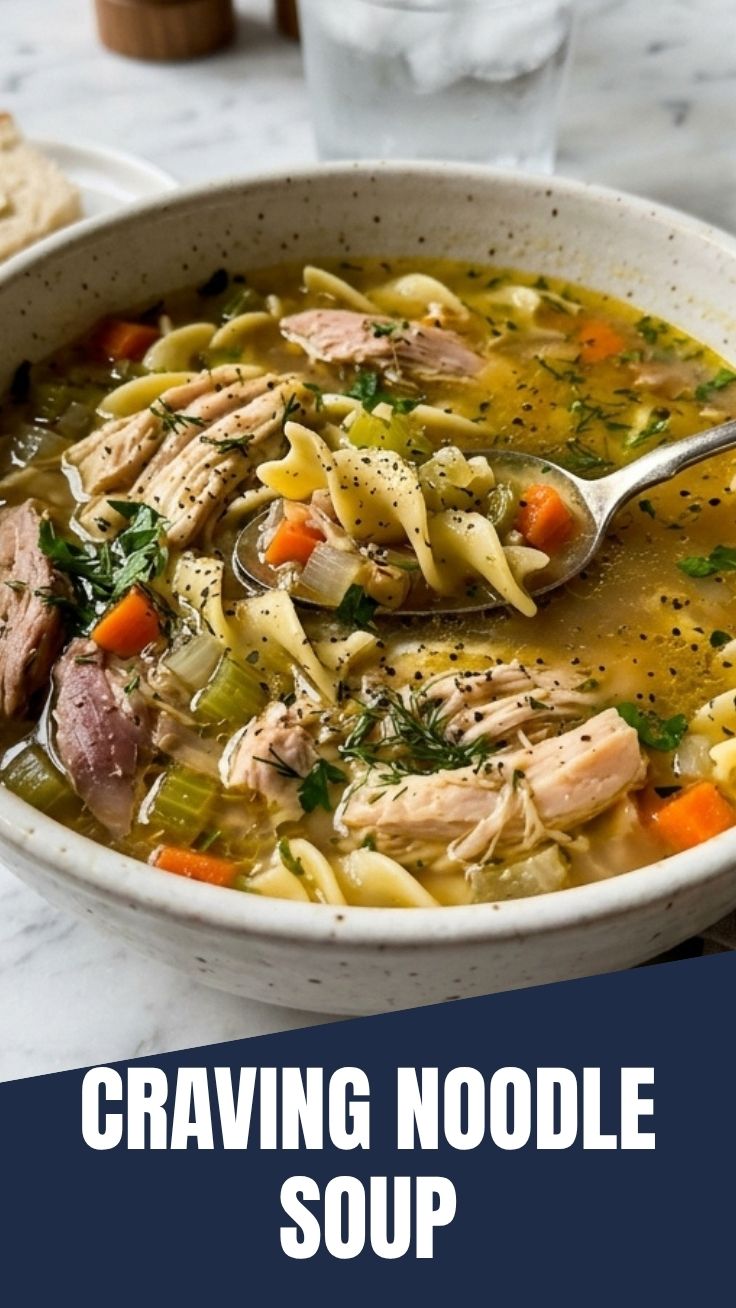
Ever wonder what makes a dish truly comforting? Is it the warmth, the aroma, or the nourishing feeling it leaves you with? For many, the answer lies in a steaming bowl of homemade Chicken Noodle Soup. Beyond just satisfying hunger, preparing this classic at home offers a unique blend of control over fresh ingredients, personalized flavors, and the invaluable joy of serving a wholesome meal made with love. Forget bland, watery versions; we’re diving deep into crafting a rich, flavorful, and incredibly satisfying chicken soup recipe that will become your go-to whenever you crave a hug in a bowl. Get ready to transform simple ingredients into a culinary masterpiece that soothes the body and soul.
Ingredients & Kitchen Tools
Crafting the perfect soup starts with the right components and equipment.
- 1 whole (3-4 lb) chicken, cut into pieces: Using a whole chicken yields a richer, more flavorful broth than just boneless cuts.
- 2 tablespoons olive oil: For sautéing vegetables and building a flavor foundation.
- 2 large carrots, peeled and diced: Adds sweetness and essential nutrients.
- 2 celery stalks, diced: Provides an aromatic base and depth of flavor.
- 1 large yellow onion, diced: A foundational flavor builder for any good soup.
- 3 cloves garlic, minced: Infuses a punchy, aromatic note.
- 8 cups chicken or vegetable broth (low sodium): The liquid backbone of your soup. Using low sodium allows you to control the seasoning.
- 4 cups water: To ensure enough liquid and to dilute the broth slightly for a balanced flavor.
- 1 cup egg noodles (or ditalini/small pasta): Classic choice for their tender texture and ability to absorb broth flavor.
- 1 bay leaf: Adds a subtle, herbaceous note to the broth.
- 1 teaspoon dried thyme: Earthy and aromatic, complementing the chicken beautifully.
- Salt and freshly ground black pepper to taste: Essential for seasoning and bringing out flavors.
- 1/4 cup fresh parsley, chopped (for garnish): Adds freshness and visual appeal.
Kitchen Tools:
- Large stockpot or Dutch oven (6-8 quarts): Essential for accommodating all ingredients and liquid.
- Cutting board and sharp knife: For efficient and safe ingredient preparation.
- Ladle: For serving.
- Fine-mesh sieve or colander: For straining the broth if desired.
- Measuring cups and spoons: For accurate ingredient quantities.
Prep Time & Cooking Schedule
- Prep time: 20 minutes (chopping vegetables, preparing chicken)
- Cook time: 1 hour 30 minutes (simmering chicken and broth, cooking noodles)
- Total time: Approximately 1 hour 50 minutes
This recipe is perfect for a weekend lunch or a comforting weeknight dinner if you start the broth early. The longer the broth simmers, the deeper the flavor, so a bit of patience pays off!
Step-by-Step Instructions
1. Prepare the Chicken: Pat chicken pieces dry with paper towels. Season generously with salt and pepper.
2. Sear the Chicken: In a large stockpot or Dutch oven, heat olive oil over medium-high heat. Add chicken pieces and sear for 3-5 minutes per side until lightly browned. This step adds depth of flavor. Remove chicken and set aside.
3. Sauté Aromatics: Add carrots, celery, and onion to the pot. Sauté for 5-7 minutes until softened, stirring occasionally. Add minced garlic and cook for another minute until fragrant.
4. Build the Broth: Return the seared chicken to the pot. Pour in chicken broth and water. Add the bay leaf and dried thyme. Bring to a boil, then reduce heat to low, cover, and simmer for 45-60 minutes, or until the chicken is cooked through and tender.
5. Shred the Chicken: Carefully remove the cooked chicken from the pot. Let it cool slightly, then pull the meat off the bones and shred or dice it. Discard bones, skin, and any gristle.
6. Cook the Noodles: While the chicken cools, bring the broth back to a gentle simmer. Add the egg noodles and cook according to package directions, typically 7-10 minutes, until al dente. Ensure you don’t overcook them!
7. Combine and Season: Return the shredded chicken to the pot with the cooked noodles. Stir well. Taste and adjust seasoning with salt and pepper as needed. A truly delicious chicken soup recipe balances its flavors, so don’t be afraid to add a pinch more salt. For an authentic homemade Chicken Noodle Soup experience, the seasoning is key.
8. Serve: Ladle hot soup into bowls. Garnish with fresh chopped parsley before serving.
Nutritional Benefits & Advantages
Homemade chicken noodle soup is more than just a delicious meal; it’s a powerhouse of nutrition. The lean protein from the chicken supports muscle repair and growth, while the vegetables provide essential vitamins, minerals, and antioxidants. Carrots are rich in Vitamin A, celery offers Vitamin K, and onions contain beneficial prebiotics. The warm broth is incredibly hydrating and easily digestible, making it an excellent choice for a comforting pick-me-up or during recovery. When made from scratch, you control the sodium content, avoiding the excessive amounts often found in canned versions.
Tips, Variations, & Cooking Advice
- Boost Flavor: For an even richer broth, roast the chicken pieces before adding them to the pot. You can also add a parmesan rind to the simmering broth for extra umami.
- Vegetable Variations: Feel free to add other vegetables like corn, peas, spinach, or diced potatoes during the last 15-20 minutes of simmering.
- Noodle Alternatives: Spaghetti, orzo, or even gluten-free pasta can be used instead of egg noodles. Cook pasta separately and add to individual bowls to prevent them from getting mushy if you plan on having leftovers.
- Spicy Kick: Add a pinch of red pepper flakes or a few slices of fresh ginger to the initial sauté for a gentle warmth.
- Herbal Infusion: Experiment with fresh herbs like dill or rosemary for different flavor profiles. Add them towards the end of cooking.
- Dietary Adaptations:
* Gluten-Free: Use gluten-free chicken broth and gluten-free pasta.
* Dairy-Free: This recipe is naturally dairy-free.
Common Mistakes to Avoid
- Overcooking Noodles: Soggy noodles can ruin the texture of your soup. Cook them separately or add them only in the last few minutes of simmering, and avoid adding them if you plan on freezing the soup.
- Not Skimming Fat: While some fat adds flavor, excessive grease can make the soup unappetizing. Skim off any excess fat from the surface of the broth during simmering.
- Undersalting: Broth needs proper seasoning. Taste as you go and adjust. Remember, you can always add more salt, but you can’t take it out.
- Using Only Boneless, Skinless Chicken: While convenient, using bone-in chicken (or even a whole chicken) significantly enhances broth flavor and body.
Storage & Meal Prep Tips
Homemade Chicken Noodle Soup is fantastic for meal prep!
- Refrigeration: Store cooled soup in an airtight container in the refrigerator for up to 3-4 days.
- Freezing: For longer storage, freeze cooled soup (without noodles) in portion-sized airtight containers for up to 3 months. Noodles can become mushy when frozen and reheated. Add freshly cooked noodles when reheating.
- Reheating: Reheat gently on the stovetop over medium-low heat until simmering, or in the microwave. If frozen, thaw in the refrigerator overnight before reheating.
Conclusion
There’s nothing quite like the comforting embrace of a homemade bowl of Chicken Noodle Soup. This recipe, with its rich, savory broth and tender ingredients, is designed to bring warmth and nourishment to your table. By following these steps, you’ve created more than just a meal; you’ve crafted a culinary hug, a truly exceptional chicken soup recipe that will be treasured for years to come. We encourage you to try this recipe, share your delicious results with us, and explore the endless possibilities of homemade comfort food!
FAQs
Q1: Can I use pre-cooked chicken?
A1: Yes, you can use pre-cooked rotisserie chicken. Add it to the soup along with the cooked noodles during the last step to warm through. However, using raw, bone-in chicken will yield a more flavorful broth.
Q2: What if my soup is too salty?
A2: If your soup is too salty, you can add a raw potato, cut in half, to simmer for 15-20 minutes to absorb some of the excess salt. You can also dilute it by adding more unsalted broth or water.
Q3: How can I make my broth clearer?
A3: To achieve a clearer broth, skim off any foam or impurities that rise to the surface during simmering. You can also strain the finished broth through a fine-mesh sieve or cheesecloth before adding the chicken and noodles back in.
Q4: Can I add fresh herbs instead of dried?
A4: Absolutely! If using fresh herbs like thyme, use triple the amount of dried herbs (e.g., 3 teaspoons fresh thyme for 1 teaspoon dried). Add them toward the end of cooking to preserve their delicate flavor.
Q5: My noodles are getting mushy. What happened?
A5: Noodles can get mushy if overcooked or if left in the soup for too long, especially during reheating. To prevent this, cook noodles separately to al dente and add them to individual bowls just before serving, or add them only a few minutes before the soup is done if serving immediately.