Master the Art of Pasta e Fagioli: A Hearty Homestyle Classic
Have you ever craved a dish that’s both comforting and packed with flavor, a meal that feels like a warm hug in a bowl? Look no further than our guide to mastering Pasta e Fagioli. This Italian staple, a delightful blend of pasta and beans, offers a symphony of textures and tastes, making it a perfect hearty meal for any occasion. Preparing this iconic dish at home not only allows you to control the quality of ingredients but also ensures a nourishing and deeply satisfying experience. Forget bland, watery versions; we’re diving into the secrets of creating a truly authentic and delicious bowl of Pasta e Fagioli, one that will have your family asking for seconds. Get ready to elevate your home cooking and discover why exploring various pasta recipes can be such a rewarding culinary adventure.
Ingredients & Kitchen Tools
To embark on this culinary journey, gather the following:
- 1 tbsp Olive Oil: Extra virgin for richness, though any olive oil works.
- 1 Medium Onion, diced: Adds a foundational aromatic sweetness.
- 2 Carrots, diced: Contributes natural sweetness and nutrients.
- 2 Celery Stalks, diced: Essential for the classic soffritto flavor base.
- 3 cloves Garlic, minced: For pungent depth and aroma.
- 1 (28 oz) can Crushed Tomatoes: Or fire-roasted for an extra layer of flavor.
- 4 cups Chicken or Vegetable Broth: Low-sodium preferred for better seasoning control.
- 1 (15 oz) can Cannellini Beans, rinsed and drained: Creamy white beans, but great northern can be substituted.
- 1 cup Ditalini Pasta: Small tubular pasta, though elbow macaroni or small shells also work.
- 1 tsp Dried Oregano: Adds an earthy, aromatic Italian essence.
- ½ tsp Dried Thyme: Complements the oregano with a slightly minty, savory note.
- Pinch Red Pepper Flakes (optional): For a subtle kick of heat.
- Salt & Black Pepper to taste: Essential for balancing and enhancing flavors.
- Fresh Parsley, chopped (for garnish): Brightens the dish with fresh herbaceousness.
- Parmesan Cheese, grated (for serving): Adds a salty, umami finish.
Kitchen Tools:
- Large Pot or Dutch Oven: For sautéing and simmering.
- Cutting Board & Chef’s Knife: For all your dicing needs.
- Measuring Cups & Spoons: For accurate ingredient proportions.
- Wooden Spoon or Spatula: For stirring.
Prep Time & Cooking Schedule
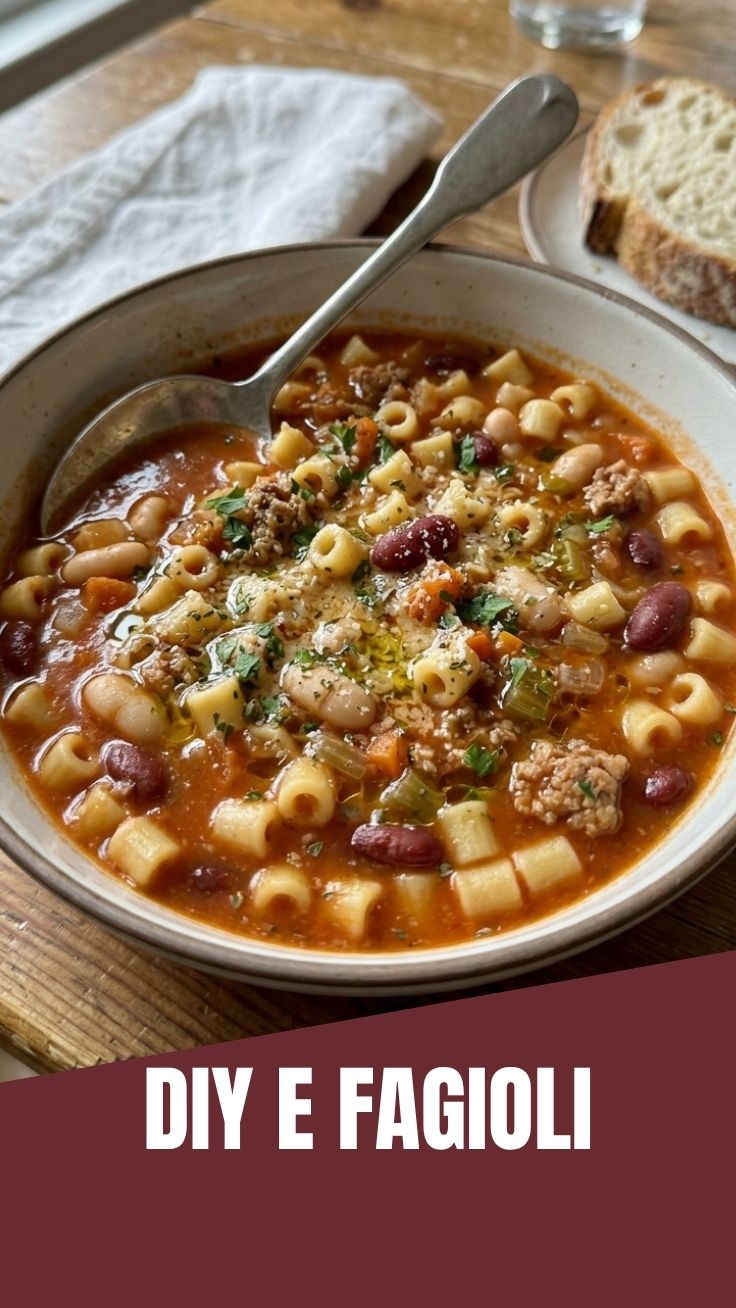
- Prep Time: 20 minutes
* This includes chopping all vegetables, mincing garlic, and gathering all your ingredients.
- Cook Time: 35-40 minutes
* Sautéing the aromatics takes about 10 minutes, simmering the broth and tomatoes about 15-20 minutes, and cooking the pasta another 8-10 minutes.
- Resting Time: 5 minutes
* Allowing the soup to rest briefly after cooking helps the flavors meld and the pasta to absorb more liquid.
Plan to start about an hour before your desired mealtime. The active cooking is relatively quick, making it an excellent weeknight dinner option that tastes like you spent hours in the kitchen!
Step-by-Step Instructions
1. Sauté the Soffritto: Heat the olive oil in a large pot or Dutch oven over medium heat. Add the diced onion, carrots, and celery. Cook for 8-10 minutes, stirring occasionally, until the vegetables are softened and translucent. This flavor base is crucial for truly outstanding Pasta e Fagioli.
2. Add Aromatics: Stir in the minced garlic, dried oregano, dried thyme, and red pepper flakes (if using). Cook for another minute until fragrant, being careful not to burn the garlic.
3. Build the Broth: Pour in the crushed tomatoes and chicken or vegetable broth. Bring the mixture to a gentle simmer, then reduce the heat to low, cover, and let it simmer for 15-20 minutes. This allows the flavors to deepen and meld beautifully.
4. Introduce Beans & Pasta: Stir in the rinsed cannellini beans. Increase the heat to medium-high and bring the soup to a rolling boil. Add the Ditalini pasta and cook according to package directions, typically 8-10 minutes, or until al dente. Ensure you stir frequently to prevent the pasta from sticking to the bottom. For other delicious pasta recipes, remember to always check the specific cooking times.
5. Season and Serve: Taste the soup and season generously with salt and black pepper as needed. Remove from heat. Let the soup rest for 5 minutes before serving. Ladle into bowls, garnish with fresh chopped parsley and a generous sprinkle of grated Parmesan cheese.
Nutritional Benefits & Advantages
Pasta e Fagioli is a powerhouse of nutrition. The cannellini beans provide an excellent source of plant-based protein and dietary fiber, promoting satiety and digestive health. The wealth of vegetables – carrots, celery, and onions – contributes essential vitamins (like Vitamin A from carrots), minerals, and antioxidants. Tomatoes are rich in lycopene, a powerful antioxidant. When prepared with a whole wheat pasta option, this dish becomes even more fiber-rich. It’s a naturally low-fat meal (when made with vegetable broth) that offers sustained energy, making it an ideal choice for a wholesome, balanced diet.
Tips, Variations & Cooking Advice
- Heartier Version: Add cooked, crumbled Italian sausage or diced pancetta at the beginning with the soffritto for a richer flavor.
- Vegetarian/Vegan: Ensure you use vegetable broth and omit Parmesan cheese for a delicious vegan option.
- Gluten-Free: Simply substitute traditional pasta with your favorite gluten-free ditalini or small pasta shape.
- Spice it up: Increase the red pepper flakes or add a pinch of cayenne pepper for more heat.
- Creamier Texture: While not traditional, a splash of heavy cream or a tablespoon of pesto at the end can add a luxurious texture.
- Fresh Herbs: Experiment with fresh rosemary or basil added at the end for an enhanced aromatic profile.
Common Mistakes to Avoid
- Overcooking the Pasta: This is critical! Overcooked pasta turns mushy and loses its texture, making the soup less enjoyable. Always cook until al dente.
- Not Rinsing Canned Beans: Canned beans often have excess sodium and a starchy liquid. Rinsing them improves flavor and texture.
- Skipping the Soffritto: The initial sautéing of the onion, carrots, and celery creates the foundational flavor. Rushing this step will result in a less flavorful soup.
- Undercooking/Overcooking Garlic: Garlic burns quickly and becomes bitter. Only cook it for a minute until fragrant.
- Not Seasoning Enough: Taste and adjust salt and pepper at the end. Italian dishes thrive on proper seasoning.
Storage & Meal Prep Tips
Leftover Pasta e Fagioli stores beautifully.
- Refrigeration: Store in an airtight container for up to 3-4 days. The pasta will absorb more liquid as it sits, so you might need to add a splash of broth or water when reheating.
- Freezing: This soup freezes well! Portion into freezer-safe containers or bags for up to 2-3 months. Thaw overnight in the refrigerator and reheat gently on the stovetop or in the microwave. You may need to add a little extra broth, as freezing can affect the consistency.
- Meal Prep Hack: Cook the soup base (soffritto, tomatoes, broth, and beans) ahead of time. When ready to serve, bring the base to a simmer and then add the pasta fresh. This prevents the pasta from getting too soft if you prefer a firmer bite.
Conclusion
Mastering Pasta e Fagioli is a truly rewarding endeavor, bringing warmth, flavor, and nutrition to your table. This timeless Italian classic, with its comforting blend of tender pasta and hearty beans, is more than just a meal—it’s an experience. We encourage you to try this recipe at home and savor the authentic tastes of Italy. Don’t forget to explore other fantastic pasta recipes to expand your culinary repertoire. Share your culinary creations and tell us how your Pasta e Fagioli turned out in the comments below! Buon appetito!
FAQs
Q1: Can I use dried beans instead of canned?
A1: Yes, you can! Soak 1 cup of dried cannellini beans overnight, then cook them until tender before adding them to the soup. This will add to your overall cooking time.
Q2: My soup is too thick/thin. How can I fix it?
A2: If it’s too thick, add more broth or water until it reaches your desired consistency. If it’s too thin, let it simmer uncovered for a bit longer to reduce, or mash a small portion of the beans to naturally thicken it.
Q3: What’s the best type of pasta for this recipe?
A3: Ditalini (small tubes) is traditional, but small shells, elbow macaroni, or even broken spaghetti pieces work well because their size allows them to be easily eaten with a spoon along with the beans.
Q4: Can I add extra vegetables?
A4: Absolutely! Spinach, kale, or zucchini can be added in the last 5-10 minutes of cooking for extra nutrients and flavor.
Q5: How do I prevent the pasta from getting mushy in leftovers?
A5: To combat this, you can cook the pasta separately and add it to individual bowls just before serving. Or, as mentioned in the meal prep tips, cook the soup base and add the pasta fresh when reheating the portion you plan to eat.