Unleash the Zest: Your Ultimate Guide to Homemade Lemon Pepper Chicken
Tired of bland meals and takeout menus? Imagine a dish that’s bursting with vibrant flavor, incredibly satisfying, and surprisingly easy to make right in your own kitchen. We’re talking about homemade Lemon Pepper Chicken. There’s a unique joy and undeniable deliciousness in crafting this culinary delight from scratch, allowing you to control every ingredient and tailor it perfectly to your taste. Plus, mastering this classic opens the door to creating other delightful variations, like savory Lemon Pepper Chicken Wings, a guaranteed crowd-pleaser for any occasion. This comprehensive guide will walk you through every step, ensuring your homemade version is nothing short of spectacular.
Ingredients & Kitchen Tools
Crafting the perfect culinary masterpiece requires the right tools and fresh, high-quality ingredients. Here’s what you’ll need:
- 1.5 lbs Boneless, Skinless Chicken Thighs or Breasts: Choose thighs for juicier results or breasts for a leaner option. Pat dry thoroughly.
- 2 Lemons: Zest and juice for that crucial bright, tangy flavor.
- 2 tbsp Olive Oil: A good quality extra virgin olive oil adds richness.
- 1 tbsp Black Pepper: Freshly ground is always best for maximum aroma and bite.
- 1 tsp Garlic Powder: Enhances the savory depth without overpowering the lemon.
- ½ tsp Onion Powder: Adds another layer of subtle aromatic flavor.
- ½ tsp Paprika: For a hint of color and mild sweetness.
- ¼ tsp Cayenne Pepper (optional): For a touch of heat, if you like a little kick.
- 1 tsp Salt: Adjust to your taste.
- Fresh Parsley (for garnish): Adds a pop of color and freshness.
- Optional Substitutions: Swap chicken for firm tofu or pork tenderloin, or use a pre-made lemon pepper seasoning blend in a pinch (adjust salt content).
Kitchen Tools:
- Large mixing bowl: For tossing the chicken with the seasoning.
- Zester/Grater: Essential for getting fine lemon zest.
- Whisk: For combining the marinade ingredients evenly.
- Large Skillet (cast iron or non-stick): For searing the chicken to perfection.
- Tongs: For handling the chicken safely and easily.
- Meat thermometer: To ensure the chicken is cooked through (internal temperature 165°F/74°C).
- Cutting board and sharp knife: For prepping ingredients.
Prep Time & Cooking Schedule
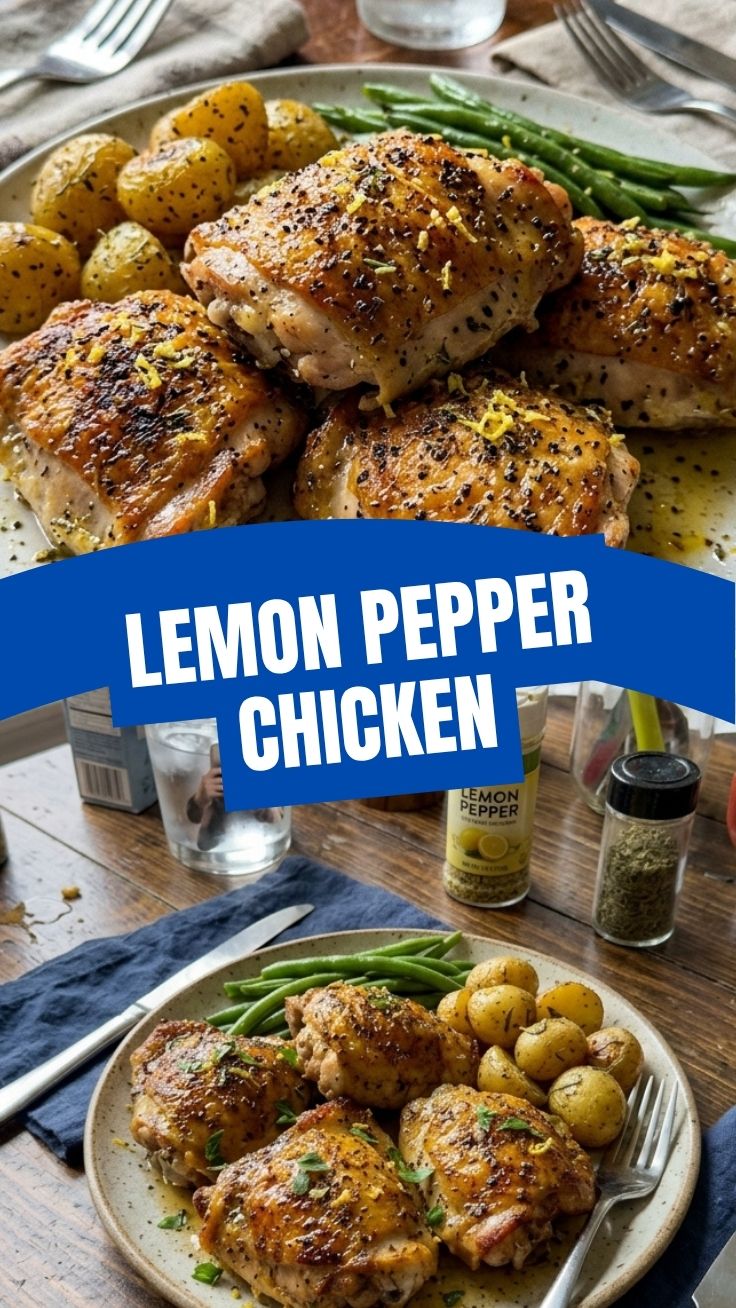
Planning is key to a smooth cooking experience. Here’s a breakdown of the time you’ll need:
- Prep Time: 15 minutes (active hands-on time)
- Marinating Time: 30 minutes (minimum) to 4 hours (for maximum flavor infusion). The longer you marinate, the more intense the flavors will be.
- Cook Time: 10-15 minutes, depending on the thickness of the chicken.
- Resting Time: 5 minutes after cooking. This crucial step allows the juices to redistribute, resulting in tender, succulent chicken.
For the best results, you can marinate the chicken in the morning or the night before, making dinner preparation a breeze.
Step-by-Step Instructions
Let’s get cooking! Follow these steps for perfectly cooked, flavorful Lemon Pepper Chicken. These instructions are also easily adaptable for preparing delicious Lemon Pepper Chicken Wings.
1. Prepare the Chicken: Pat your chicken pieces completely dry with paper towels. This is crucial for achieving a beautiful sear. Cut larger pieces into even sizes for consistent cooking.
2. Make the Marinade: In your large mixing bowl, combine the olive oil, lemon zest and juice, black pepper, garlic powder, onion powder, paprika, cayenne pepper (if using), and salt. Whisk everything together until well combined.
3. Marinate the Chicken: Add the chicken to the bowl with the marinade. Toss thoroughly to ensure every piece is evenly coated. Cover the bowl and refrigerate for at least 30 minutes, or up to 4 hours.
4. Preheat the Skillet: Heat a large skillet over medium-high heat for 2-3 minutes. A hot skillet is essential for a good sear.
5. Cook the Chicken: Add the marinated chicken to the hot skillet in a single layer, ensuring not to overcrowd the pan. Cook for 5-7 minutes per side, or until golden brown and cooked through (internal temperature reaches 165°F/74°C). Adjust heat if necessary to prevent burning.
6. Rest and Serve: Remove the chicken from the skillet and place on a cutting board or plate. Tent loosely with foil and let it rest for 5 minutes. This allows the juices to redistribute, keeping the chicken tender and moist. Garnish with fresh parsley before serving.
Nutritional Benefits & Advantages
Beyond its incredible taste, this dish offers significant nutritional advantages. Chicken is an excellent source of lean protein, essential for muscle repair and growth. Lemons provide a powerful dose of Vitamin C, an antioxidant crucial for immune health. Black pepper, often overlooked, contains piperine, which has anti-inflammatory properties and can enhance nutrient absorption. Preparing this at home means you avoid the excessive sodium and unhealthy fats often found in restaurant versions, making it a wholesome addition to a balanced diet.
Tips, Variations & Cooking Advice
- Spicy Kick: Add a pinch more cayenne pepper or a dash of your favorite hot sauce to the marinade.
- Herbaceous Notes: Incorporate dried oregano or thyme into the seasoning blend for a different aromatic profile.
- Grilling Option: This recipe works beautifully on the grill! Marinate as directed, then grill over medium-high heat until cooked through.
- Crispy Skin (for bone-in, skin-on chicken): If using bone-in, skin-on chicken, patting the skin extra dry is vital for optimal crispiness. Start skin-side down in the hot skillet.
- Portion Control: Easily scale this recipe up or down depending on the number of servings needed.
- Dietary Adaptations: For a gluten-free meal, ensure all your ingredients are naturally gluten-free (which they are in this recipe!).
Common Mistakes to Avoid
- Overcrowding the Pan: This lowers the pan temperature and steams the chicken instead of searing it, preventing that beautiful golden crust. Cook in batches if necessary.
- Not Patting Chicken Dry: Moisture on the surface of the chicken prevents browning. Always pat it thoroughly dry.
- Under-Seasoning or Over-Seasoning: Taste your marinade before adding the chicken, and adjust salt and pepper as needed.
- Skipping the Resting Time: Resting is crucial. Don’t cut into the chicken immediately after cooking, or all the juices will run out, leaving you with dry meat.
- Overcooking: Chicken can quickly become dry if overcooked. Use a meat thermometer to ensure it reaches 165°F (74°C) and then remove it from the heat.
Storage & Meal Prep Tips
This Lemon Pepper Chicken is excellent for meal prep!
- Refrigeration: Store cooked chicken in an airtight container in the refrigerator for up to 3-4 days.
- Freezing: For longer storage, freeze cooled chicken in an airtight freezer-safe container or bag for up to 2-3 months. Thaw overnight in the refrigerator before reheating.
- Reheating: Reheat gently in a microwave, or for best results, in a skillet with a splash of water or broth over medium-low heat until warmed through to prevent drying out. You can also dice it cold and add it to salads or wraps.
Conclusion
There you have it – a comprehensive guide to crafting incredibly flavorful Lemon Pepper Chicken right in your own kitchen. Whether you’re aiming for a quick weeknight dinner or preparing a feast of succulent Lemon Pepper Chicken Wings, this recipe is designed for success. By following these steps and tips, you’ll be able to create a dish that’s far superior to any takeout option, showcasing your culinary prowess and delighting your taste buds. Give it a try, experiment with the variations, and enjoy the delicious rewards of homemade cooking!
FAQs
Q1: Can I use pre-made lemon pepper seasoning?
A1: Yes, you can. However, fresh lemon zest and juice, combined with freshly ground pepper, will provide a much brighter and more vibrant flavor. If using pre-made seasoning, be mindful of its salt content and adjust accordingly.
Q2: What’s the best way to ensure my chicken is tender and not dry?
A2: The keys to tender chicken are not overcooking it (use a meat thermometer to reach 165°F/74°C) and allowing it to rest for at least 5 minutes after cooking. Marinating also helps to tenderize the meat.
Q3: Can I bake this chicken instead of pan-frying?
A3: Absolutely! Marinate as directed, then bake in a preheated oven at 400°F (200°C) for 20-25 minutes, or until the internal temperature reaches 165°F (74°C).
Q4: How can I make a sauce for this chicken?
A4: After removing the cooked chicken, you can deglaze the pan with a splash of chicken broth or white wine, scraping up any browned bits. Whisk in a knob of butter and a squeeze of fresh lemon juice for a simple, flavorful pan sauce.