The Ultimate Guide to Crafting the Perfect Tres Leches Cake at Home
Have you ever savored a slice of Tres Leches Cake so ethereally moist, so divinely sweet, that it transported you straight to a sun-drenched Latin American patio? That irresistible blend of three milks soaking into a tender sponge, creating a symphony of flavors and textures, is a culinary dream. While many believe this dessert is best left to professional bakeries, I’m here to tell you that recreating this iconic treat, along with exploring other delightful dessert recipes, is not only achievable but immensely rewarding right in your own kitchen. There’s an unparalleled satisfaction in whipping up a classic from scratch, ensuring every ingredient meets your quality standards and every spoonful bursts with homemade love. This comprehensive guide will empower you to master the art of the perfect tres leches, turning a seemingly complex recipe into an enjoyable and accessible baking adventure.
Ingredients & Kitchen Tools
Crafting the perfect Tres Leches Cake requires a few essential components and tools. Here’s what you’ll need:
- All-Purpose Flour (1 ½ cups): The base for our tender sponge.
- Granulated Sugar (1 cup + ½ cup, divided): For sweetness in the cake and the meringue.
- Baking Powder (1 ½ teaspoons): Our leavening agent for a light and airy texture.
- Salt (½ teaspoon): Balances the sweetness and enhances flavor.
- Large Eggs (6, separated): Provides structure and richness; separating allows for whipped whites.
- Whole Milk (1 cup + ½ cup, divided): Essential for both the cake and the milk blend.
- Evaporated Milk (1 can, 12 oz): Adds rich, creamy depth to the soak.
- Sweetened Condensed Milk (1 can, 14 oz): The sweet heart of the tres leches blend.
- Vanilla Extract (2 teaspoons): Aromatic flavor enhancer for both cake and milk blend.
- Heavy Cream (1 ½ cups): For the luscious whipped cream topping.
- Powdered Sugar (2 tablespoons): Sweetens and stabilizes the whipped cream.
- Cinnamon (optional, for garnish): A delightful aromatic sprinkle.
Substitutions: For a richer cake, substitute some all-purpose flour with cake flour. For a dairy-free version, use unsweetened plant-based milks and coconut cream for the topping.
Kitchen Tools:
- 9×13 inch Baking Pan: Ideal size for this recipe.
- Electric Mixer (stand or hand-held): Crucial for whipping egg whites and cream.
- Mixing Bowls (several): For separating ingredients and mixing.
- Whisk: For combining dry ingredients.
- Spatula: For folding and scraping.
- Measuring Cups and Spoons: For accurate ingredient portions.
- Small Saucepan: For gently warming milk.
- Cake Tester or Toothpick: To check cake doneness.
Prep Time & Cooking Schedule
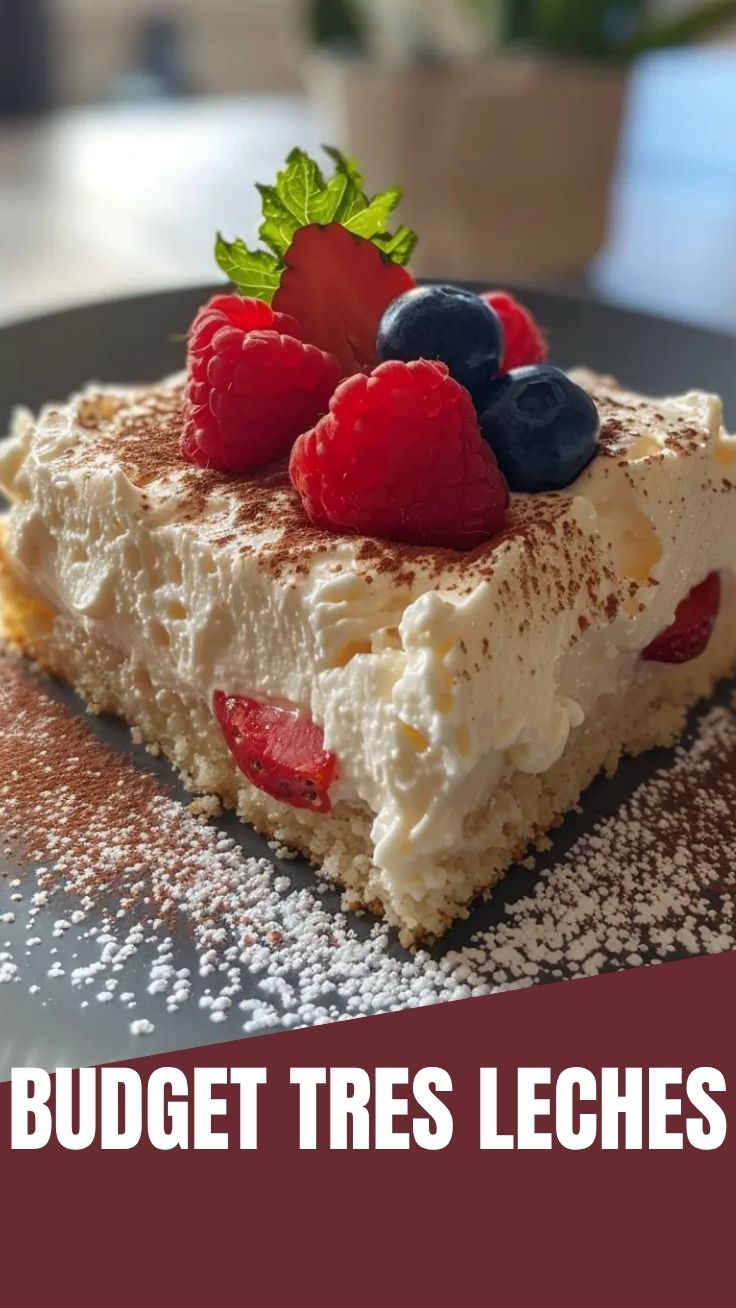
Planning is key for a perfectly saturated yet stable Tres Leches Cake.
- Prep Time: 30 minutes (includes separating eggs, measuring ingredients).
- Bake Time: 25-30 minutes (for the sponge cake).
- Cooling Time: 1 hour (allowing the cake to cool completely before soaking).
- Soaking Time/Resting Time: Minimum 4 hours, preferably overnight in the refrigerator. This is crucial for the cake to fully absorb the milk mixture and develop its signature moist texture.
- Decorating Time: 10-15 minutes (for preparing and spreading the whipped cream).
This schedule ensures the cake has ample time to cool and absorb the milks, preventing it from becoming soggy and allowing the flavors to meld beautifully. Start your cake the day before you plan to serve it for the best results.
Step-by-Step Instructions
1. Preheat & Prepare: Preheat your oven to 350°F (175°C). Grease and flour a 9×13 inch baking pan.
2. Dry Ingredients: In a medium bowl, whisk together the flour, baking powder, and salt. Set aside.
3. Whip Egg Whites: In a large, clean bowl (ensure no grease!), using an electric mixer, beat the 6 egg whites until soft peaks form. Gradually add 1 cup of granulated sugar, one tablespoon at a time, continuing to beat until stiff, glossy peaks form. This meringue is key to a light sponge.
4. Egg Yolks & Wet Ingredients: In a separate medium bowl, beat the 6 egg yolks with the remaining ½ cup of granulated sugar until pale and creamy. Stir in ½ cup of whole milk and 1 teaspoon of vanilla extract until just combined.
5. Combine & Fold: Gently fold the egg yolk mixture into the whisked egg whites until just combined. Then, gradually fold in the dry ingredient mixture, a little at a time, being careful not to deflate the batter. Mix until no streaks of flour remain.
6. Bake the Cake: Pour the batter evenly into the prepared baking pan. Bake for 25-30 minutes, or until a cake tester inserted into the center comes out clean.
7. Cool & Poke: Remove the cake from the oven and let it cool completely in the pan on a wire rack for at least 1 hour. Once cooled, use a fork or skewer to poke holes all over the surface of the cake.
8. Prepare the Milk Blend: While the cake cools, combine the 1 cup of whole milk, evaporated milk, sweetened condensed milk, and the remaining 1 teaspoon of vanilla extract in a bowl or pitcher. Whisk well to combine. This is the “tres leches” blend that gives the Tres Leches Cake its distinct character.
9. Soak the Cake: Slowly and evenly pour the entire milk mixture over the cooled, poked cake. Don’t rush this step; allow the cake to slowly absorb all the liquid.
10. Chill & Set: Cover the pan tightly with plastic wrap and refrigerate for at least 4 hours, or ideally overnight. This extended chilling time is crucial for the cake to become perfectly moist and flavorful. You’ll observe the cake becoming beautifully saturated, a testament to the magic of these exquisite dessert recipes.
11. Whip the Topping: Just before serving, combine the heavy cream, powdered sugar, and a splash of vanilla extract in a chilled bowl. Beat with an electric mixer until stiff peaks form.
12. Garnish & Serve: Spread the whipped cream evenly over the chilled cake. Optionally, sprinkle with a dash of cinnamon. Slice and serve immediately.
Nutritional Benefits & Advantages
While a Tres Leches Cake is undeniably an indulgence, it offers some interesting nutritional aspects. The three milks provide a good source of calcium, protein, and vitamin D, crucial for bone health and overall well-being. Eggs contribute high-quality protein and essential vitamins. While it’s a dessert, making it at home allows you to control the sugar content, potentially reducing it from store-bought versions. Portion control is also easier when you prepare it yourself, ensuring that this delightful treat fits into a balanced diet.
Tips, Variations & Cooking Advice
- Flavor Variations: Infuse the milk soak with a cinnamon stick, coffee, or even a splash of rum for an adult twist. Lemon or lime zest in the cake batter can add a bright note.
- Ingredient Swaps: For a different texture, try replacing some all-purpose flour with cornstarch.
- Alternative Cooking Methods: While baking is traditional, some innovative bakers experiment with steam baking for an even more tender crumb.
- Gluten-Free Version: Use a gluten-free all-purpose flour blend in place of regular flour for a delicious gluten-free option. Ensure your blend contains xanthan gum or add ½ teaspoon per cup of flour.
- Dairy-Free Version: Use coconut milk and condensed coconut milk for the soak, and whipped coconut cream for the topping.
- Temperature Control: Ensure your eggs are at room temperature for optimal whipping.
- Don’t Overmix: Overmixing the batter can lead to a tough cake. Fold gently!
Common Mistakes to Avoid
- Not Cooling the Cake Enough: Pouring the milk mixture over a warm cake will result in a mushy texture. Patience is key!
- Not Poking Enough Holes: The holes are crucial for the milk to penetrate uniformly. Don’t be shy!
- Under-Soaking: The longer the cake soaks, the better the flavor and texture. Don’t skip the overnight chill if possible.
- Over-whipping the Meringue/Cream: Keep an eye on your mixer; over-whipped egg whites can become dry, and over-whipped cream can turn grainy.
- Using Cold Milk for the Soak: While not critical, warming the milk mixture slightly can help the cake absorb it more efficiently.
Storage & Meal Prep Tips
Your homemade Tres Leches Cake stores beautifully.
- Refrigeration: Store any leftover cake covered tightly with plastic wrap in the refrigerator for up to 3-4 days. The cake often tastes even better the second day!
- Freezing: Freezing a tres leches cake is generally not recommended as the texture can change significantly upon thawing, becoming watery or crumbly. The delicate balance of the milks is best enjoyed fresh or thoroughly chilled.
- Reheating: This cake is served cold, so no reheating is necessary. Simply take it out of the fridge and enjoy!
- Meal Prep: You can bake the cake a day or two in advance and soak it overnight. Prepare the whipped cream topping just before serving to ensure it’s fresh and fluffy.
Conclusion
Mastering the art of baking a Tres Leches Cake at home is a truly gratifying culinary achievement. From the delicate sponge to the rich, milky soak and the cloud-like whipped cream, every element contributes to a dessert that is both comforting and exhilarating. We encourage you to embark on this delicious journey, transforming simple ingredients into a masterpiece that will undoubtedly impress your family and friends. Don’t shy away from exploring other delightful dessert recipes, but let this tres leches be your confident first step. Share your triumph in the comments below, and let us know your favorite variations!
FAQs
Q1: Can I make this cake without an electric mixer?
A1: While an electric mixer is recommended for whipping egg whites and cream to achieve the best volume, you can use a hand whisk. Be prepared for a more intense arm workout!
Q2: My cake turned out a bit dense. What went wrong?
A2: Overmixing the batter, especially after adding the flour, can lead to a dense cake. Also, not whipping the egg whites to stiff peaks can reduce the cake’s lightness.
Q3: How can I make my whipped cream topping more stable?
A3: Ensure your heavy cream, bowl, and whisk are very cold. You can also add a teaspoon of cornstarch or a special whipped cream stabilizer (available in baking aisles) along with the powdered sugar.
Q4: Can I use different types of milk for the soak?
A4: While the traditional three milks (whole, evaporated, sweetened condensed) are key to the unique flavor, you can experiment with proportions or add half-and-half for a slightly different richness. However, the distinct quality comes from using all three.
Q5: Is it possible to make individual Tres Leches portions?
A5: Yes! You can bake the cake in a muffin tin or small ramekins, then soak and top them individually for charming single-serving Tres Leches Cake desserts.