Craving a Taste of Paradise? Master the Art of Homemade Poke Bowls!
Have you ever found yourself yearning for that vibrant, fresh, and utterly delicious Poke Bowl experience, but hesitated at the thought of exorbitant restaurant prices or questionable ingredient quality? What if I told you that crafting your own masterpiece, brimming with the authentic flavors of Hawaiian Poke, is not only achievable but incredibly rewarding? Preparing this dish at home offers unparalleled control over freshness, quality, and customization, allowing you to tailor every bite to your exact preferences while enjoying significant cost savings. This guide will empower you to create a restaurant-quality poke bowl from the comfort of your kitchen.
Ingredients & Kitchen Tools
- Fresh Ahi Tuna (Sushi-Grade): 1 lb, diced into ½-inch cubes. Look for firm, vibrant red tuna with no discoloration. This is the star of your Poke Bowl.
- Cooked Sushi Rice: 2 cups, chilled. Use short-grain rice for the best texture; absorbs dressing well.
- Soy Sauce (Low Sodium Preferred): ¼ cup. Essential for the classic umami base.
- Sesame Oil (Toasted): 2 tablespoons. Adds a nutty, aromatic depth.
- Rice Vinegar: 1 tablespoon. Provides a subtle tang that balances the rich flavors.
- Green Onions: 3-4 stalks, thinly sliced. For a fresh, mild onion kick.
- Sesame Seeds (Toasted): 1 tablespoon. For garnish and textural contrast.
- Fresh Ginger: 1 inch piece, grated. Adds a zesty, slightly spicy note.
- Avocado: 1 ripe, diced. Creamy texture that complements other ingredients beautifully.
- Cucumber: ½ English cucumber, thinly sliced or diced. Adds a refreshing crunch.
- Edamame (Shelled, Cooked): ½ cup. For a boost of plant-based protein and vibrant color.
- Optional Toppings: Sriracha mayo, nori strips, pickled ginger, mango, pineapple, radishes. Personalize your bowl!
Kitchen Tools:
- Large Mixing Bowl: For combining the poke ingredients.
- Sharp Knife: Essential for precise dicing of tuna and vegetables.
- Cutting Board: A stable surface for all your prep work.
- Rice Cooker or Saucepan: For perfectly cooked sushi rice.
- Whisk or Fork: For mixing the poke dressing.
Prep Time & Cooking Schedule
- Prep Time: 20 minutes. This includes dicing all ingredients and preparing the dressing.
- Cook Time: 20 minutes (for sushi rice, if not pre-cooked).
- Marinating Time: 15-30 minutes. Allowing the tuna to marinate briefly in the dressing enhances the flavor penetration. Don’t marinate for too long, as the acid can “cook” the fish. Aim to assemble the bowls shortly before serving to maintain optimal freshness and texture.
Step-by-Step Instructions
1. Prepare the Rice: If not already done, cook your sushi rice according to package directions. Once cooked, spread it out on a tray to cool quickly and completely. Chilled rice is crucial for a great Poke Bowl.
2. Dice the Tuna: Using a very sharp knife, carefully dice the sushi-grade ahi tuna into consistent ½-inch cubes. Ensure your knife is clean and sharp for clean cuts.
3. Prepare the Dressing: In a large mixing bowl, combine the soy sauce, toasted sesame oil, rice vinegar, grated ginger, and half of the sliced green onions. Whisk well to ensure all ingredients are thoroughly mixed.
4. Marinate the Tuna: Gently add the diced tuna to the dressing mixture in the bowl. Fold gently with a spatula to coat all tuna pieces evenly. Cover the bowl and refrigerate for 15-30 minutes. This short marination period allows the flavors to meld beautifully, creating that authentic Hawaiian Poke taste.
5. Prepare Bowl Components: While the tuna marinates, dice your avocado and cucumber, and prepare any other desired toppings.
6. Assemble Your Bowls: Divide the chilled sushi rice among serving bowls. Top each bed of rice generously with the marinated tuna.
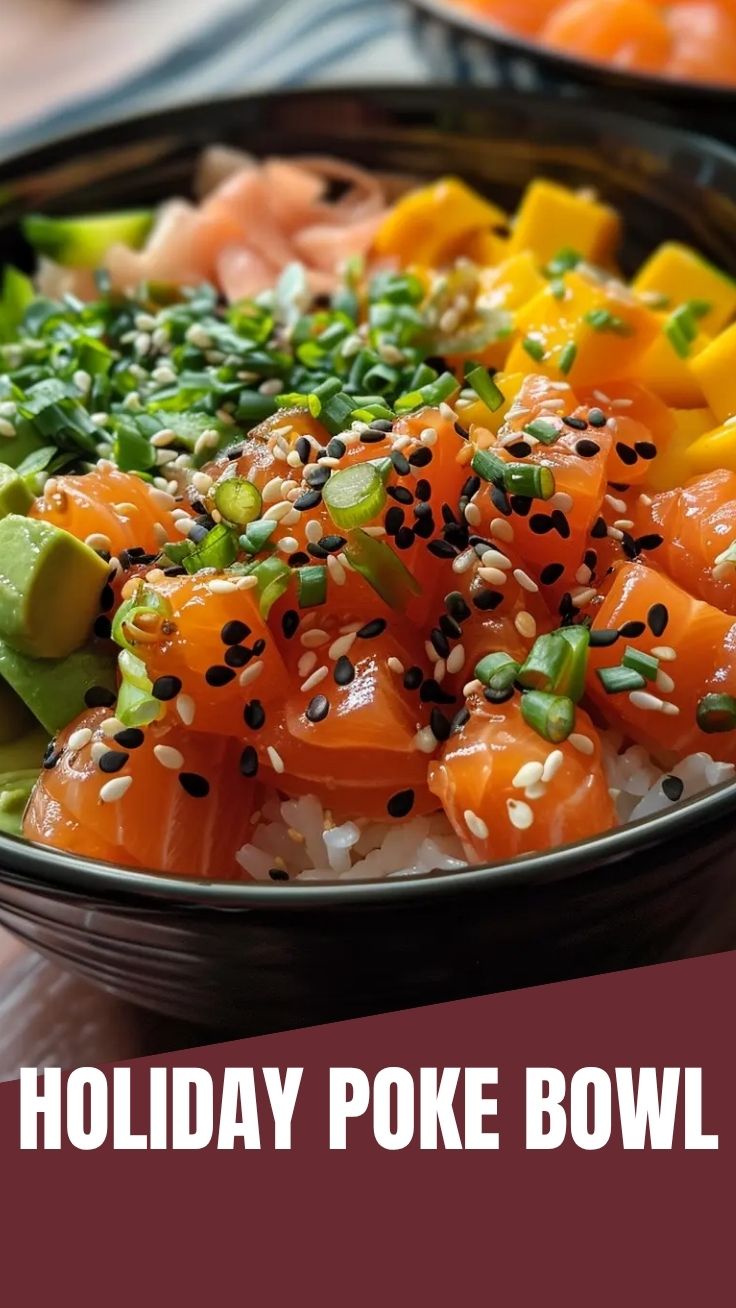
7. Add Toppings: Artfully arrange the diced avocado, cucumber, edamame, and remaining green onions over the tuna. Sprinkle toasted sesame seeds over everything for a final flourish.
8. Serve Immediately: Enjoy your freshly made poke bowls!
Nutritional Benefits & Advantages
Homemade poke bowls like this one are a nutritional powerhouse. Ahi tuna is an excellent source of lean protein, beneficial omega-3 fatty acids, and essential vitamins like B12 and D. The inclusion of fresh vegetables like avocado, cucumber, and edamame provides healthy fats, fiber, and a spectrum of vitamins and minerals. Rice provides complex carbohydrates for sustained energy. By preparing it yourself, you control sodium levels, avoid unnecessary additives found in some pre-made versions, and ensure the freshest possible ingredients, making it a truly wholesome and satisfying meal.
Tips, Variations & Cooking Advice
- Protein Swaps: Not a fan of tuna? Try sushi-grade salmon, cooked shrimp, or even firm tofu for a vegetarian option.
- Flavor Boosts: Add a touch of sriracha for a spicy kick, or a splash of fresh lime juice for extra brightness.
- Alternative Bases: Instead of sushi rice, consider using brown rice, quinoa, or even a bed of mixed greens for a lighter, low-carb option.
- Vegetable Medley: Experiment with shredded carrots, bell peppers, or shredded cabbage for added crunch and nutrients.
- Tropical Twist: Incorporate diced mango or pineapple for a sweet and tangy contrast.
- Dietary Adaptations: For a gluten-free version, ensure your soy sauce is gluten-free (tamari). Most other ingredients are naturally GF.
Common Mistakes to Avoid
- Using Non-Sushi Grade Fish: This is paramount for safety. Always buy fish specifically labeled “sushi-grade” or “sashimi-grade” from a reputable fishmonger.
- Over-Marinating the Tuna: Too much time in the acidic dressing can “cook” the delicate tuna, altering its texture from tender to slightly firm. Stick to the 15-30 minute window.
- Warm Rice: Serving poke with warm rice can make the dish mushy and diminish the refreshing contrast of the cold fish and vegetables. Always use chilled rice.
- Not Dicing Evenly: Inconsistent dicing of tuna and vegetables means some pieces will be too large or too small, affecting the overall texture and eating experience. Aim for uniform pieces.
- Skimping on Freshness: The essence of poke is freshness. Use the freshest possible ingredients for the best results.
Storage & Meal Prep Tips
While a traditional Poke Bowl is best enjoyed immediately after assembly, you can prep components ahead of time.
- Tuna: Once marinated and assembled, poke bowls with raw fish should be consumed within 1-2 hours. Do not store leftover assembled poke bowls with raw fish.
- Fish Prep: You can cube the tuna up to 4-6 hours in advance and keep it tightly covered in the refrigerator.
- Rice: Cook and chill sushi rice up to 2-3 days in advance, storing it in an airtight container in the refrigerator.
- Vegetables: Chop and store vegetables like cucumber, avocado, and green onions separately in airtight containers in the refrigerator for up to 1 day. Add avocado right before serving to prevent browning.
- Dressing: Prepare the dressing up to 3 days in advance and store in a sealed jar in the refrigerator.
- Reheating: Do not reheat poke bowls with raw fish. Serve at room temperature or chilled.
Conclusion
Crafting your own delightful Poke Bowl is an accessible journey into the vibrant flavors of Hawaiian Poke. By following these steps and incorporating our tips, you’re not just making a meal; you’re creating a customizable, fresh, and wholesome culinary experience. Don’t hesitate to experiment with different toppings and bases to find your perfect combination. We encourage you to try this recipe, unleash your inner chef, and share your delicious creations with us!
FAQs
1. Can I use frozen tuna for poke? Only if it is sushi-grade and has been properly thawed according to safety guidelines. Never use regular frozen tuna steaks.
2. How long does poke dressing stay fresh? The dressing can be stored in an airtight container in the refrigerator for up to 3-5 days.
3. What if I don’t like raw fish? You can substitute the raw tuna with cooked and chilled shrimp, grilled chicken, or even marinated and pan-seared tofu for a similar experience.
4. How can I make my rice stickier for poke? Using sushi rice specifically and ensuring correct water ratios, along with a brief rest period after cooking, usually yields the perfect texture. Avoid rinsing too much, as the starch helps with stickiness.
5. Is it safe to eat raw fish marinated in citrus or acid for a long time? While acid “cooks” the fish (like in ceviche), for poke, you want to preserve the raw texture. Limit marination to 15-30 minutes to infuse flavor without altering the fish’s delicate structure.