Unlock the Sweet & Savory Secret: Mastering Honey Roasted Carrots at Home
Ever wondered how some side dishes steal the show, effortlessly complementing any main course with their vibrant color and irresistible flavor? Today, we’re diving deep into the art of creating perfectly caramelized Honey Roasted Carrots. Forget bland, boiled veggies; this recipe elevates a humble root vegetable into a culinary delight. Preparing this dish at home isn’t just about saving money; it’s about controlling the quality of your ingredients, customizing flavors to your preference, and experiencing the sheer joy of transforming simple produce into something truly special. Whether you’re a seasoned chef or a kitchen novice, mastering the art of the Honey Roasted Carrots will quickly become a favorite in your repertoire. And for those seeking a quicker path to deliciousness, we’ll also touch upon how this recipe relates to Easy Roasted Carrots, proving that gourmet flavors don’t always require gourmet effort.
Ingredients & Kitchen Tools
1 ½ lbs Carrots: Preferably organic, medium-sized, and similar in thickness for even roasting. Smaller carrots are sweeter, larger ones have more earthy flavor.*
2 tablespoons Olive Oil: Extra virgin for flavor, or a neutral oil like avocado for a higher smoke point. Helps with caramelization and even cooking.*
3 tablespoons Honey: Local raw honey offers the best flavor depth. Adds sweetness and a beautiful glaze.*
½ teaspoon Sea Salt: Fine-grain for even distribution. Enhances natural sweetness and balances flavors.*
¼ teaspoon Black Pepper: Freshly ground for maximum aroma. Adds a subtle kick.*
Optional: ½ teaspoon Fresh Thyme Leaves: Chopped, for an aromatic, earthy note. Complements the sweetness of the carrots.*
Large Baking Sheet: With raised edges to prevent spills. Essential for even roasting.*
Parchment Paper or Silicone Baking Mat: Prevents sticking and makes cleanup easy. A must-have for non-stick baking.*
- Large Mixing Bowl: For tossing carrots with seasonings.
- Vegetable Peeler: To remove the outer skin of the carrots.
- Sharp Knife: For trimming and slicing larger carrots.
Prep Time & Cooking Schedule
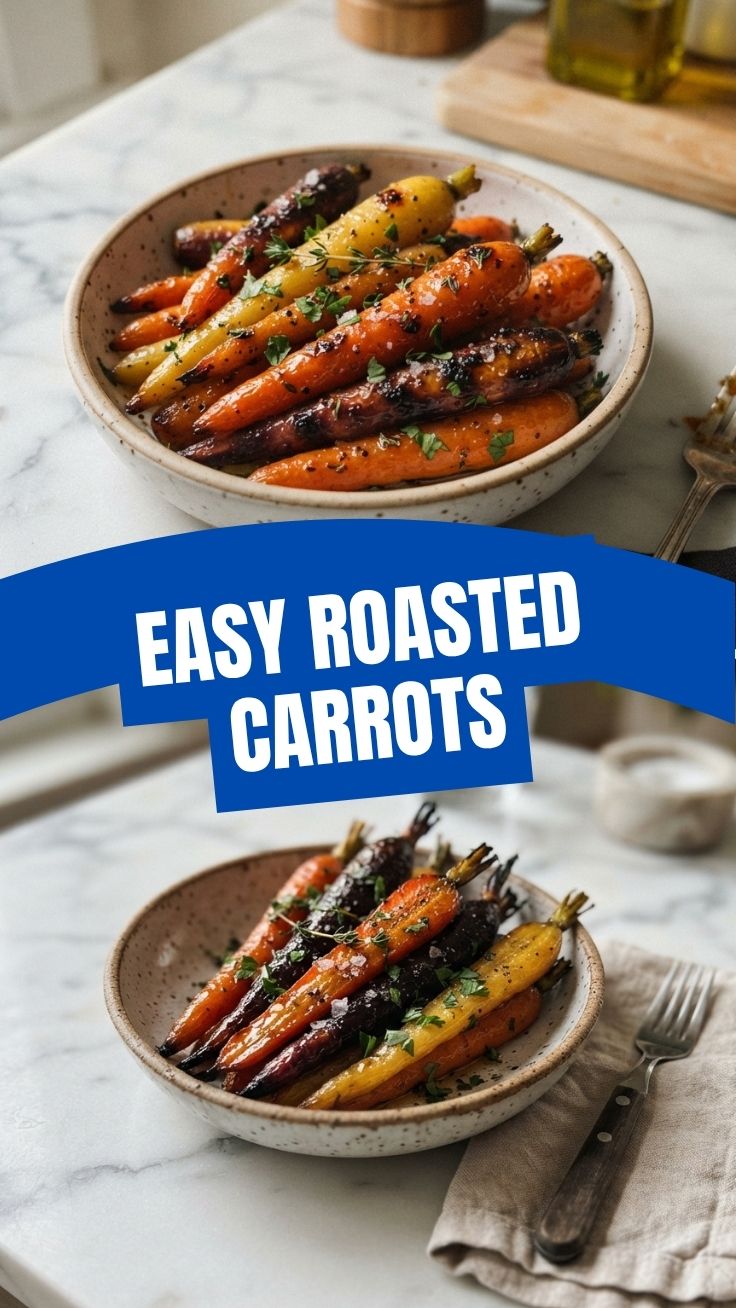
- Prep Time: 10 minutes (Peeling, trimming, and seasoning)
- Cook Time: 20-25 minutes
- Resting Time: 5 minutes (Optional, allows flavors to meld and prevents burning your tongue!)
This recipe is incredibly efficient. While your main course is cooking or resting, you can easily prepare and roast these carrots. They’re perfect for weeknight dinners and special occasions alike, thanks to their quick turnaround. The slight resting time allows the honey glaze to firm up slightly and the internal heat to distribute evenly, resulting in perfectly tender-crisp carrots.
Step-by-Step Instructions
1. Preheat Oven & Prepare Carrots: Preheat your oven to 400°F (200°C). Line a large baking sheet with parchment paper. Peel the carrots. If they are very thick, cut them lengthwise into halves or quarters so they are uniform in size. This ensures even cooking and beautiful presentation.
2. Season the Carrots: In a large mixing bowl, combine the prepared carrots, olive oil, honey, sea salt, black pepper, and optional fresh thyme. Toss thoroughly until all the carrots are evenly coated. Ensuring a consistent coating is key to achieving that delicious, sticky glaze.
3. Arrange for Roasting: Spread the seasoned carrots in a single layer on the prepared baking sheet. Avoid overcrowding the pan; if necessary, use two baking sheets. Overcrowding steams the vegetables instead of roasting them, preventing proper caramelization.
4. Roast to Perfection: Roast for 20-25 minutes, tossing halfway through, until the carrots are tender-crisp and beautifully caramelized. Look for slightly browned edges and a vibrant, glossy finish. The exact cooking time will depend on the thickness of your carrots and your oven’s calibration. A fork should easily pierce the thickest part. This step is crucial for achieving the perfect Honey Roasted Carrots.
5. Serve: Remove from the oven and serve immediately. These glorious carrots are a testament to how simple ingredients can create extraordinary flavors. Even making Easy Roasted Carrots benefits from these exact techniques.
Nutritional Benefits & Advantages
Carrots are a powerhouse of nutrition! They are an excellent source of beta-carotene, which converts to Vitamin A in the body, essential for vision, immune function, and skin health. They also provide a good dose of Vitamin K1, potassium, and antioxidants. Roasting them lightly preserves many of these nutrients, and the addition of honey offers a natural energy boost. This dish is naturally gluten-free and can easily be made dairy-free, making it suitable for a variety of dietary needs.
Tips, Variations & Cooking Advice
- Spice It Up: Add a pinch of red pepper flakes for a subtle heat, or a dash of smoked paprika for a deeper, savory note.
- Herbaceous Delights: Experiment with other herbs like rosemary or parsley. Add fresh dill at the end for a bright finish.
- Citrus Zest: A squeeze of orange or lemon juice, or a sprinkle of zest, can brighten the flavor profile significantly.
- Sweetness Control: Adjust the amount of honey to your preference. Maple syrup is an excellent vegan alternative.
- Texture Play: For extra crispiness, roast for an additional 5 minutes at the end, keeping a close eye to prevent burning.
Common Mistakes to Avoid
- Overcrowding the Pan: This is the biggest culprit for steamed, not roasted, vegetables. Always give your carrots space!
- Unevenly Sized Carrots: Leads to some being burnt while others are still raw. Cut them uniformly.
- Forgetting to Toss: Tossing halfway ensures even caramelization and prevents sticking.
- Too High Heat: While roasting requires heat, excessively high temperatures can burn the honey before the carrots are cooked through. Stick to 400°F (200°C).
Storage & Meal Prep Tips
Leftover Honey Roasted Carrots can be stored in an airtight container in the refrigerator for up to 3-4 days. While they won’t be as crisp as fresh, the flavors will still be delicious. Reheat gently in the microwave or in a 350°F (175°C) oven until warmed through. They are not ideal for freezing, as the texture can become mushy upon thawing. For meal prep, roast a larger batch at the beginning of the week and add them to salads, grain bowls, or as a quick side to any meal.
Conclusion
Transforming humble carrots into a show-stopping side dish is a culinary triumph that anyone can achieve. This recipe for Honey Roasted Carrots is not just about cooking; it’s about experiencing the magic of simple ingredients elevated to their full potential. By following these easy steps, you’ll be able to create a dish that’s both nutritious and incredibly flavorful. We hope you try this recipe and discover the joy of perfectly caramelized, sweet, and savory carrots. And remember, the principles learned here are easily transferable to other Easy Roasted Carrots variations you might explore. Share your results and let us know your favorite ways to enjoy this versatile vegetable!
FAQs
Q1: Can I use baby carrots for this recipe?
A1: Yes, baby carrots work well. Adjust the cooking time slightly, as they are smaller and will cook faster, likely around 15-20 minutes.
Q2: What can I substitute for honey if I don’t have it?
A2: Maple syrup is an excellent vegan substitute and provides a similar sticky-sweet glaze. Agave nectar can also be used, but you might need to adjust the quantity slightly as it’s sweeter.
Q3: My carrots aren’t getting caramelized. What am I doing wrong?
A3: The most common reasons are overcrowding the pan, which leads to steaming, or the oven temperature being too low. Ensure your oven is preheated to 400°F (200°C) and spread the carrots in a single layer with space between them.
Q4: Can I add other vegetables to the pan with the carrots?
A4: You can, but choose vegetables with similar cooking times, like parsnips or small potato wedges. If adding faster-cooking vegetables like bell peppers, add them halfway through the roasting process to prevent them from becoming overcooked.