Master the Art of Perfectly Roasted Vegetables: Your Ultimate Guide
Are you tired of bland, uninspired side dishes? Do you crave vibrant flavors and tender textures that elevate any meal? Learning to perfectly prepare Roasted Vegetables at home is a game-changer, transforming simple produce into culinary masterpieces. This comprehensive guide will equip you with all the knowledge to achieve consistently delicious results, whether you’re aiming for a comforting family dinner or a quick weeknight Sheet Pan Vegetables creation. Discover the joy of perfectly caramelized edges and tender interiors – it’s easier than you think!
Ingredients & Kitchen Tools
To embark on your roasting adventure, gather these essential items:
Assorted Vegetables (4-6 cups, chopped): A colorful mix works best! Think carrots (sliced), broccoli florets, bell peppers (chopped), zucchini (halved and sliced), red onion (wedges), and potatoes (cubed). Clarification: Choose firm, fresh produce.*
Olive Oil (3-4 tablespoons): Extra virgin is ideal for flavor, but a good quality regular olive oil works too. Clarification: Helps with browning and even cooking.*
Salt (1 teaspoon, or to taste): Kosher or sea salt is preferred for better distribution. Clarification: Enhances natural flavors.*
Black Pepper (1/2 teaspoon, or to taste): Freshly ground is always best. Clarification: Adds a subtle spice.*
Garlic Powder (1 teaspoon): Or 2-3 cloves fresh garlic, minced. Clarification: Imparts aromatic depth.*
Optional Seasonings: Dried herbs (rosemary, thyme, oregano), paprika, chili flakes for a kick. Clarification: Customize to your preference.*
Large Baking Sheet(s): Essential for spreading vegetables in a single layer. Clarification: Prevents steaming.*
Parchment Paper or Silicone Mat: For easy cleanup and preventing sticking. Clarification: Highly recommended for non-stick results.*
- Large Mixing Bowl: To toss vegetables with oil and seasonings.
- Spatula or Tongs: For flipping and serving.
Prep Time & Cooking Schedule
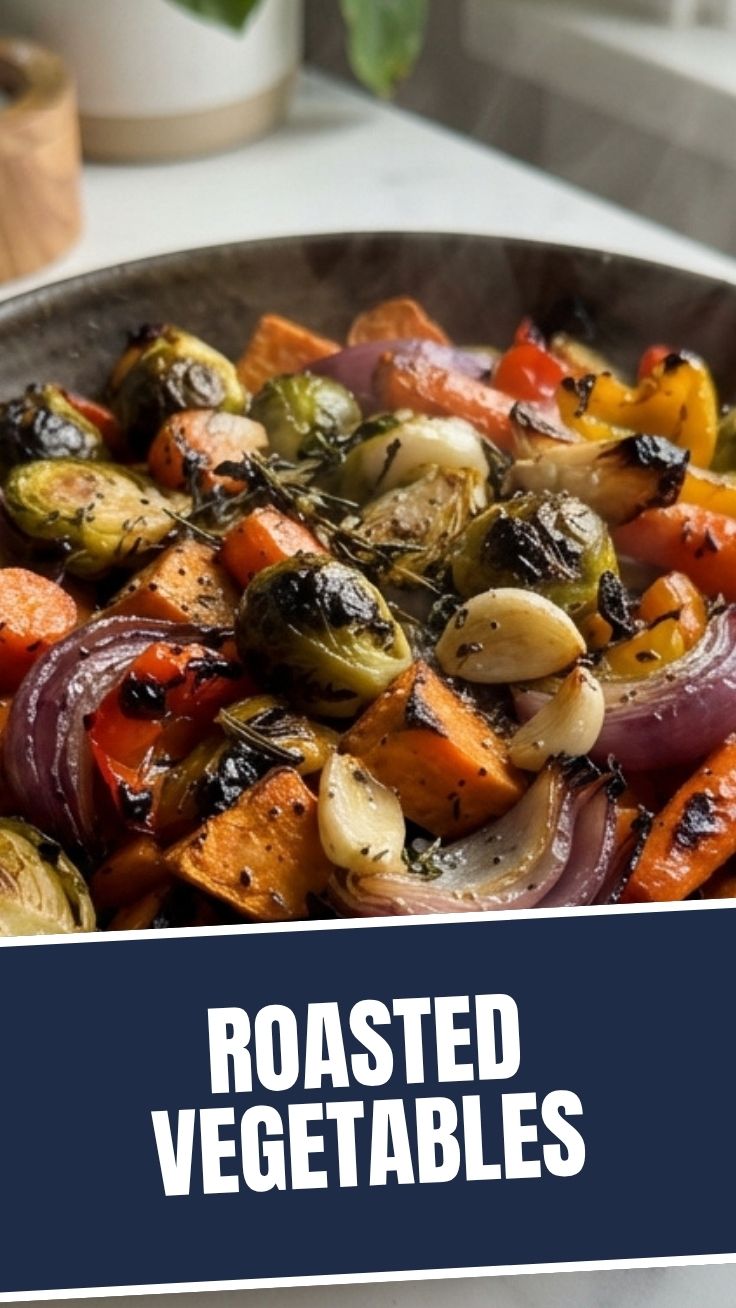
- Prep Time: 15-20 minutes (depending on vegetable variety and chopping speed). This involves washing, peeling (if necessary), and chopping your chosen produce.
- Cook Time: 25-40 minutes. The exact time will vary based on the density and size of your vegetables. Root vegetables like potatoes and carrots take longer than softer options like zucchini or bell peppers.
- Resting Time: 5 minutes. Allowing the vegetables to rest briefly after roasting helps them retain heat and tenderness.
To plan your meal, aim to start prepping your vegetables about 45-60 minutes before you want to serve, giving yourself ample time for chopping and the roasting process.
Step-by-Step Instructions
1. Preheat Your Oven: Set your oven to 400°F (200°C). This high temperature is crucial for achieving that desirable caramelization and tender-crisp texture.
2. Prepare Your Baking Sheet: Line one or two large baking sheets with parchment paper or a silicone mat. This step is a lifesaver for cleanup!
3. Chop Your Vegetables: Wash and chop all your chosen vegetables into roughly uniform 1-inch pieces. This ensures even cooking. For example, denser vegetables like potatoes and carrots might benefit from being slightly smaller than softer ones like zucchini.
4. Season Generously: In a large mixing bowl, combine your chopped vegetables. Drizzle with olive oil, then sprinkle with salt, black pepper, and garlic powder (and any other optional seasonings). Toss thoroughly with your hands or a large spoon until all vegetables are lightly coated. This thorough seasoning is key to delicious Roasted Vegetables.
5. Spread in a Single Layer: Arrange the seasoned vegetables on your prepared baking sheets in a single layer. Do not overcrowd the pan! This is perhaps the most critical step for achieving properly roasted (not steamed) results. Use two pans if necessary. For a quicker alternative, sometimes referred to as Sheet Pan Vegetables, you might combine protein on the same pan, but ensure ample space for even cooking.
6. Roast to Perfection: Transfer the baking sheets to the preheated oven. Roast for 25-40 minutes, tossing the vegetables halfway through, until they are tender when pierced with a fork and beautifully caramelized around the edges.
7. Serve Immediately: Remove from the oven and let rest for 5 minutes. Serve hot as a delicious side dish or incorporate into other recipes.
Nutritional Benefits & Advantages
Roasted Vegetables are not just delicious; they are incredibly nutritious. Roasting helps to bring out the natural sweetness of vegetables, making them more appealing, especially to picky eaters. They are packed with essential vitamins, minerals, and dietary fiber, which aids digestion and promotes satiety. The high antioxidant content in many vegetables helps combat oxidative stress and inflammation. Plus, using olive oil adds healthy monounsaturated fats. This cooking method preserves more nutrients compared to boiling, which can leach water-soluble vitamins.
Tips Variations & Cooking Advice
- Don’t Overcrowd: We cannot stress this enough! Overcrowding leads to steaming, not roasting. Use multiple pans if needed.
- Consistent Size: Chop vegetables into similar sizes to ensure they cook evenly. If you have different cooking times (e.g., potatoes and bell peppers), you can add the quicker-cooking vegetables halfway through.
- Experiment with Seasonings: Beyond salt, pepper, and garlic powder, try adding dried rosemary, thyme, oregano, smoked paprika, curry powder, or a pinch of red pepper flakes for heat.
- Citrus Finish: A squeeze of fresh lemon juice or a sprinkle of fresh parsley or cilantro after roasting can brighten the flavors.
- Oil Choice: While olive oil is standard, you can also use avocado oil or melted coconut oil.
- Sweet Touch: A drizzle of maple syrup or honey during the last 10 minutes of cooking can enhance caramelization and add a sweet-savory note, particularly good with root vegetables.
- Dietary Adaptations: This recipe is naturally gluten-free and dairy-free (unless you add cheese!). It’s also vegan and vegetarian-friendly.
Common Mistakes to Avoid
- Not Preheating the Oven: A cold oven won’t achieve the high-heat blast needed for proper browning.
- Insufficient Oil: Too little oil results in dry vegetables that stick to the pan.
- Overcrowding the Pan: As mentioned, this is the biggest culprit for soggy, steamed vegetables.
- Uneven Chopping: Vegetables of different sizes will cook at different rates, leading to some being overcooked and others undercooked.
- Not Tossing Mid-Way: Tossing ensures even browning on all sides.
- Forgetting Parchment Paper: While not strictly a mistake, forgetting this makes cleanup significantly harder.
Storage & Meal Prep Tips
Leftover Roasted Vegetables can be stored in an airtight container in the refrigerator for up to 3-4 days. They are excellent for meal prep, easily reheated in the microwave, or quickly crisped up in a hot oven or air fryer. While you can freeze roasted vegetables, their texture may become softer upon thawing, especially for higher-water content vegetables like zucchini or bell peppers. For best results, freeze them in a single layer on a baking sheet before transferring to a freezer bag to prevent clumping. Reheat directly from frozen in the oven at 375°F (190°C) until warmed through.
Conclusion
Mastering the art of perfectly prepared Roasted Vegetables opens up a world of culinary possibilities, offering a simple yet incredibly flavorful way to enjoy a wide array of produce. From vibrant side dishes to the foundation of hearty Sheet Pan Vegetables, the techniques shared here will ensure consistently delicious results every time. Don’t be afraid to experiment with different seasonings and vegetable combinations to find your perfect roast. Try this recipe tonight and share your fantastic creations with us!
FAQs
Q1: Can I mix different types of vegetables with varying cooking times?
A1: Yes, but it’s best to chop denser vegetables (like potatoes and carrots) smaller than softer ones (like bell peppers or zucchini), or add the quicker-cooking vegetables halfway through the roasting time.
Q2: My vegetables are turning out mushy, what am I doing wrong?
A2: The most common reasons for mushy vegetables are overcrowding the pan (which causes steaming), using too low a oven temperature, or not cutting them into uniform pieces. Ensure a single layer and a hot oven.
Q3: How do I get crispy edges on my roasted vegetables?
A3: High oven temperature (400°F/200°C or even higher, up to 425°F/220°C for some vegetables), not overcrowding the pan, and sufficient oil are key for crispy, caramelized edges.
Q4: Can I use frozen vegetables for roasting?
A4: Yes, you can! Do not thaw them first. Toss them directly with oil and seasonings and roast at a slightly higher temperature (425°F/220°C) for a slightly longer time, as they contain more moisture. Spread them in a single layer to prevent steaming.
Q5: What are some good flavor combinations for roasted vegetables?
A5: Rosemary and garlic with potatoes; thyme and lemon with asparagus; paprika and cumin with bell peppers and onions; Italian seasoning with zucchini and cherry tomatoes. The possibilities are endless!