Crafting the Perfect Greek Salad: A Culinary Journey to the Mediterranean
Ever dreamed of a meal that’s vibrant, refreshing, and bursting with flavors, yet incredibly simple to prepare? The classic Greek Salad is that dream come true. Beyond its striking colors and delightful crunch, preparing this iconic dish at home offers an unparalleled opportunity to embrace the principles of the Mediterranean diet, a lifestyle renowned for its health benefits and delicious simplicity. In this comprehensive guide, we’ll walk you through everything you need to know to create an authentic Greek salad that will transport your taste buds straight to the sun-drenched islands of Greece. You’ll not only master a delicious recipe but also unlock the secrets to a healthier way of eating.
Ingredients & Kitchen Tools
To embark on this culinary adventure, gather these fresh ingredients and essential kitchen tools:
Ripe Tomatoes (2-3 medium): Heirloom or vine-ripened for the best flavor. Choose firm, red tomatoes.*
English Cucumber (1 large): Crisp and refreshing, no need to peel. Seedless varieties are ideal.*
Red Onion (1/2 small): Adds a pungent bite and beautiful color. Slice thinly for a milder flavor.*
Kalamata Olives (1/2 cup): Pitted, briny, and essential for authentic Greek flavor. Look for high-quality, unpitted if you prefer to pit them yourself for extra freshness.*
Feta Cheese (4 oz block): Authentic Greek feta, preferably from sheep’s milk, crumbled or cubed. Avoid pre-crumbled feta, as it often contains anti-caking agents.*
Green Bell Pepper (1 small): Adds a subtle sweetness and crunch. Wash thoroughly and deseed.*
Extra Virgin Olive Oil (1/4 cup): High-quality, robust olive oil is crucial for the dressing. The backbone of the Mediterranean diet.*
Red Wine Vinegar (2 tbsp): Provides a tangy counterpoint. Can substitute with fresh lemon juice for a brighter note.*
Dried Oregano (1 tsp): Essential Greek herb, preferably wild Greek oregano. Rub between your palms to release aroma.*
Sea Salt & Freshly Ground Black Pepper: To taste. Season generously.*
- Large Mixing Bowl: For tossing all the ingredients.
- Sharp Knife: For precise chopping and slicing.
- Cutting Board: A stable surface for preparing your vegetables.
Prep Time & Cooking Schedule
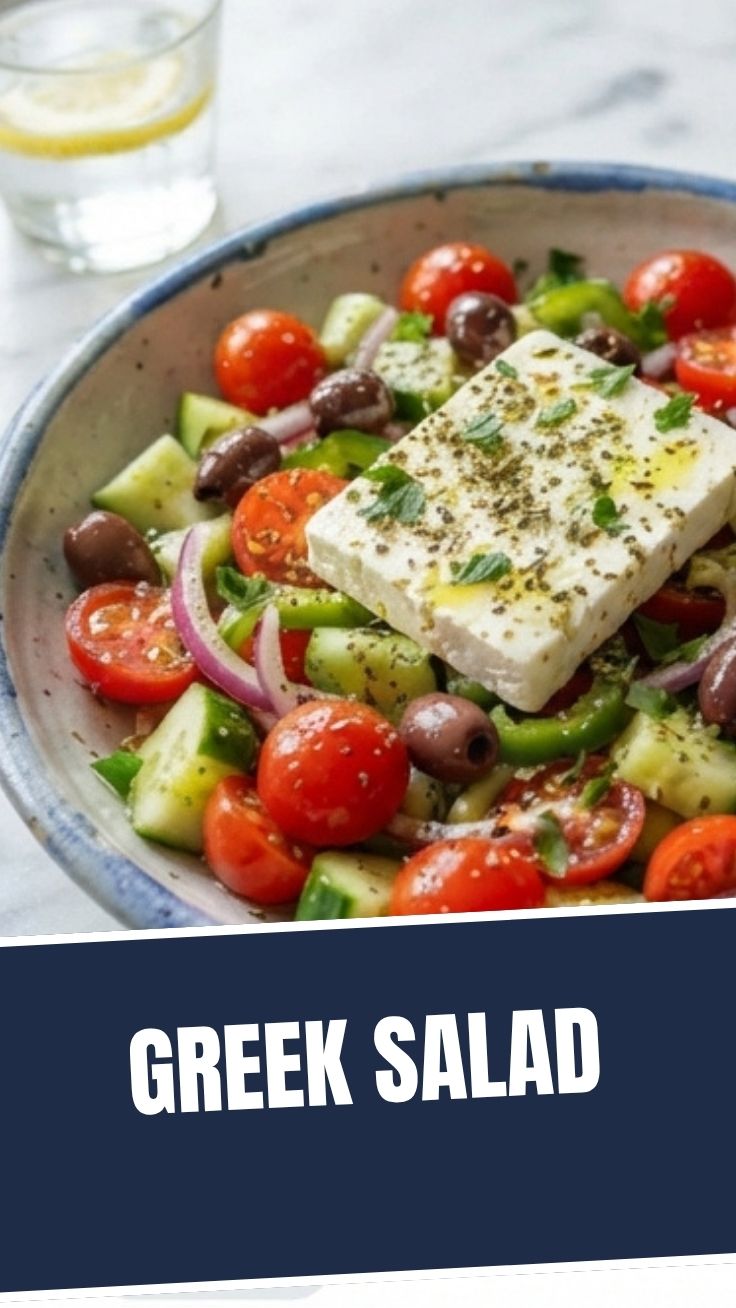
One of the beauties of this dish is its minimal cooking time, making it perfect for a quick lunch or an elegant side.
- Prep Time: 15 minutes
- Cook Time: 0 minutes
- Resting Time: 10 minutes (optional, allows flavors to meld)
This recipe is designed for immediate enjoyment, but allowing the salad to rest for 10-15 minutes after dressing can enhance the flavor profile as the vegetables absorb the tangy vinaigrette.
Step-by-Step Instructions
Creating a fantastic Greek Salad is all about precise preparation and the right balance of fresh ingredients. Follow these steps to perfection:
1. Prepare the Vegetables: Wash all your produce thoroughly. Cut the tomatoes into large, rustic wedges. Dice the cucumber into 1-inch pieces. Thinly slice the red onion into delicate half-moons. Core and deseed the green bell pepper, then slice it into thin rings or strips.
2. Combine Ingredients: In your large mixing bowl, gently combine the prepared tomatoes, cucumber, red onion, green bell pepper, and Kalamata olives.
3. Crumble the Feta: If using a block of feta, carefully crumble it over the vegetables. Alternatively, you can slice the block into thick pieces and place them on top of the salad as is traditionally done in Greece.
4. Whisk the Dressing: In a small separate bowl, whisk together the extra virgin olive oil, red wine vinegar, dried oregano, sea salt, and freshly ground black pepper until well combined. This simple yet flavorful dressing is a cornerstone of the Mediterranean diet.
5. Dress and Serve: Pour the dressing over the salad ingredients. Gently toss to coat everything evenly, being careful not to over-mix and crush the vegetables. Serve immediately, or let it rest for 10-15 minutes to allow the flavors to deepen.
Nutritional Benefits & Advantages
The Greek Salad is more than just a delicious dish; it’s a powerhouse of nutrition. Rich in fresh vegetables, it provides a high dose of vitamins, minerals, and dietary fiber, promoting digestive health and satiety. The extra virgin olive oil, a cornerstone of the Mediterranean diet, is packed with monounsaturated fats and antioxidants, beneficial for heart health. Feta cheese contributes calcium and protein, while Kalamata olives offer healthy fats and antioxidants. This salad is naturally low in saturated fat (depending on feta quantity) and carbohydrates, making it an excellent choice for a balanced and health-conscious lifestyle.
Tips, Variations & Cooking Advice
- Add Protein: For a more substantial meal, top with grilled chicken, shrimp, or chickpeas.
- Herb Power: While oregano is traditional, fresh dill or mint can add a lovely aromatic twist.
- Spice it Up: A pinch of red pepper flakes in the dressing can add a subtle kick.
- Personalized Veggies: Feel free to add other crisp vegetables like thinly sliced radishes or even artichoke hearts.
- Gluten-Free & Vegetarian: This recipe is naturally gluten-free and vegetarian. For a vegan option, substitute the feta with a plant-based alternative or omit it entirely and add more olives or capers for briny flavor.
- Dressing on the Side: If you plan on having leftovers, dress individual portions to prevent the salad from becoming soggy.
Common Mistakes to Avoid
- Over-dressing: Too much dressing can drown the natural flavors of the vegetables. Start with less and add more if needed.
- Pre-dressing: Don’t dress the entire salad if you anticipate leftovers. The vinegar and oil can make the vegetables mushy over time.
- Using low-quality ingredients: The simplicity of this salad means every ingredient shines. Invest in good quality tomatoes, feta, and especially extra virgin olive oil.
- Finely dicing vegetables: Traditional Greek salad features rustic, larger cuts. This not only looks better but also provides a more satisfying bite.
Storage & Meal Prep Tips
For best results, consume the Greek Salad fresh. If you have leftovers, store undressed salad ingredients (chopped vegetables and feta) separately in airtight containers in the refrigerator for up to 2-3 days. The dressing can be stored in a separate jar in the refrigerator for up to a week. When ready to eat, simply combine and toss. This approach is ideal for meal prepping healthy lunches throughout the week, ensuring you can consistently enjoy the benefits of the Mediterranean diet.
Conclusion
The classic Greek Salad is more than just a dish; it’s an experience – a taste of sunshine, simplicity, and wholesome goodness. By following this guide, you’ve not only learned to prepare an authentic and delicious salad but also embraced the core tenets of the vibrant Mediterranean diet. We encourage you to try this recipe, experiment with the variations, and share your delightful creations. May your table be filled with fresh flavors and healthy choices!
FAQs
Q1: Can I use different types of olives?
A1: While Kalamata olives are traditional and highly recommended for their distinct flavor, you can substitute with other briny black olives if needed, though the taste profile will shift slightly.
Q2: How long does the Greek salad stay fresh?
A2: For optimal freshness and texture, it’s best to consume the salad within a few hours of dressing. Undressed components can last 2-3 days in the refrigerator.
Q3: What’s the best way to prevent the red onion from being too pungent?
A3: To mellow the red onion’s bite, thinly slice it and then soak it in a bowl of cold water for 10-15 minutes before adding to the salad. Pat dry thoroughly.
Q4: Can I make the dressing in advance?
A4: Absolutely! The dressing can be made and stored in an airtight container in the refrigerator for up to a week. Give it a good shake or whisk before using.
Q5: Is it okay to add lettuce to a Greek salad?
A5: Traditionally, authentic Greek salad (Horiatiki) does not contain lettuce. However, if you prefer a leafy green base, feel free to add crisp romaine or butter lettuce, though it will deviate from the classic preparation.