The Ultimate Guide to Crafting the Perfect Refreshing Garden Salad
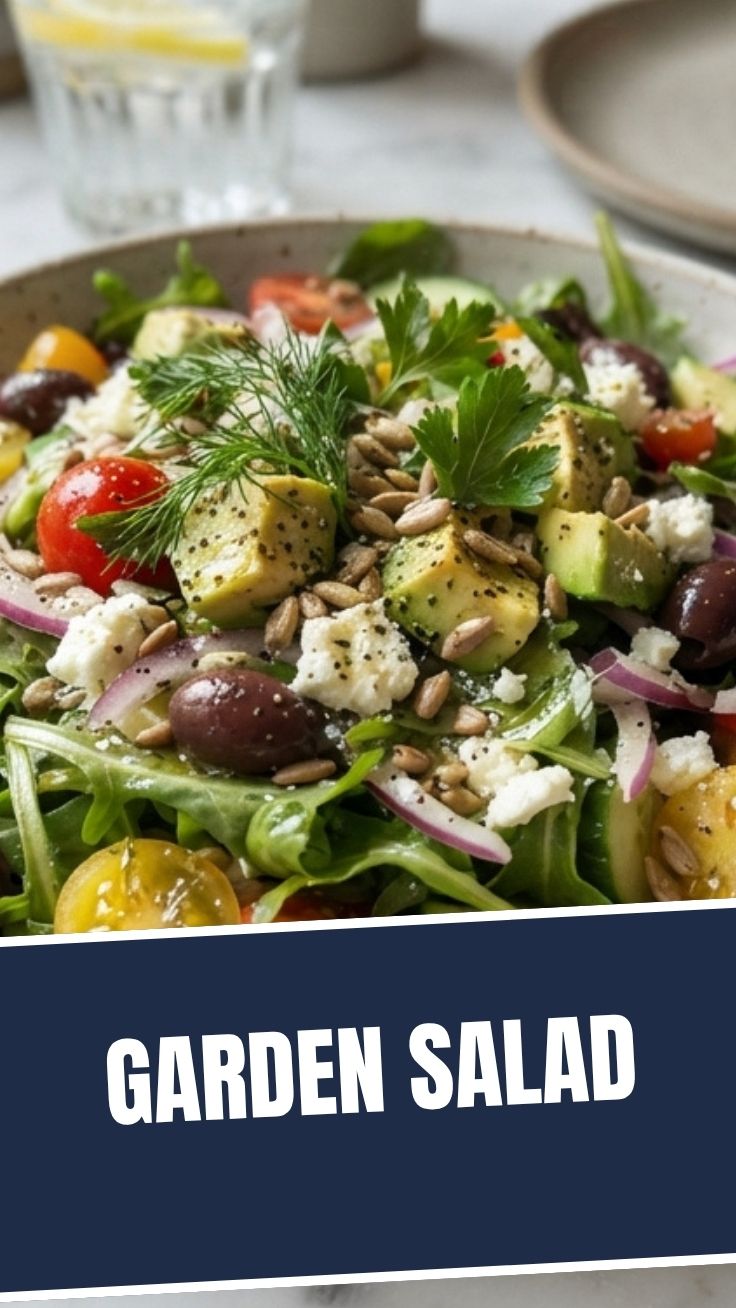
Are you tired of bland, uninspiring salads that leave you feeling… well, just hungry? What if I told you that creating a vibrant, flavorful Garden Salad at home is not only achievable but incredibly rewarding? Moving beyond pre-packaged options, mastering this simple yet versatile dish unlocks a world of fresh flavors, customizable ingredients, and significant health benefits. This guide will walk you through crafting a truly exceptional Garden Salad, ensuring every bite is a burst of freshness and nutrition, perfectly complemented by a delightful Heirloom Tomato Salad. Preparing this foundational salad at home allows you to control the quality of your ingredients, avoid unnecessary additives, and tailor it to your exact preferences, making it a valuable addition to any meal.
Ingredients & Kitchen Tools
To embark on this culinary adventure, gather the following:
- Mixed Salad Greens (10 oz bag or equivalent loose greens): A diverse mix like romaine, butter lettuce, red leaf, or even spring mix for varied textures and flavors.
- Cherry Tomatoes (1 pint): Or grape tomatoes, halved, for bursts of sweetness and acidity.
- Cucumber (1 large): Peeled and sliced or diced, providing refreshing crunch.
- Carrots (2 medium): Peeled and shredded or thinly sliced into rounds for a touch of sweetness and vibrant color.
- Red Onion (1/4 small): Thinly sliced, adding a sharp, pungent bite (optional, or soak in ice water for milder flavor).
- Bell Pepper (1 medium, any color): Cored and diced, offering a sweet and crisp element.
- Croutons (1 cup): Store-bought or homemade, for a satisfying crunch.
- Dressing (your choice): Vinaigrette, ranch, or a creamy option. Homemade is always recommended for superior flavor and ingredient control.
- Optional Add-ins: Grilled chicken, hard-boiled eggs, chickpeas, cheese (feta, goat, or shredded cheddar), avocado.
- Large Salad Bowl: Essential for tossing and serving.
- Cutting Board & Sharp Knife: For efficient and safe vegetable preparation.
- Salad Spinner: Highly recommended for thoroughly drying greens, preventing watery dressing.
- Measuring Cups & Spoons: For precise ingredient amounts, especially for homemade dressing.
Prep Time & Cooking Schedule
- Prep Time: 15-20 minutes
- Cook Time: 0 minutes
- Resting Time: 5 minutes (for greens to dry fully after washing)
This Garden Salad is designed for quick assembly. The bulk of the time is dedicated to washing, drying, and chopping your fresh produce. If you’re planning a larger meal, prepare the vegetables for the Garden Salad first, then move on to any cooked components. This ensures your salad remains crisp and vibrant when it’s time to serve. For the optional Heirloom Tomato Salad, prep can be done concurrently or just before serving to maintain optimal freshness.
Step-by-Step Instructions
1. Wash and Dry Greens: Place your mixed salad greens in a colander and rinse thoroughly under cool running water. If using a salad spinner, spin until completely dry. This step is crucial for preventing a soggy Garden Salad.
2. Prepare Vegetables: While the greens are drying, wash and chop all your remaining vegetables: halve the cherry tomatoes, slice or dice the cucumber, shred or slice the carrots, thinly slice the red onion, and dice the bell pepper.
3. Combine Ingredients: In your large salad bowl, gently combine the dried salad greens, prepared tomatoes, cucumber, carrots, red onion, and bell pepper.
4. Add Optional Ingredients: If using, toss in any additional ingredients like grilled chicken, hard-boiled eggs, chickpeas, or cheese at this stage. For an exceptional pairing, consider a small, vibrant Heirloom Tomato Salad on the side, highlighting the natural sweetness and acidity of peak-season tomatoes.
5. Dress and Serve: Just before serving, drizzle your chosen dressing over the salad ingredients. Add croutons last to maintain their crispness. Toss gently to ensure all components are evenly coated. Serve immediately.
Nutritional Benefits & Advantages
A well-crafted Garden Salad is a powerhouse of nutrition. It’s rich in vitamins (A, C, K), minerals (folate, potassium), and dietary fiber, which aids digestion and promotes a feeling of fullness. The diverse array of vegetables provides a broad spectrum of antioxidants, essential for fighting free radicals and supporting overall health. Including a variety of colors ensures you’re getting a wide range of phytonutrients, each with unique health-promoting properties. Paired with a simple vinaigrette, it’s a low-calorie, nutrient-dense meal or side dish that supports weight management and cardiovascular health.
Tips, Variations & Cooking Advice
- Homemade Dressing: Elevate your salad with a simple homemade vinaigrette. Whisk together olive oil, vinegar (balsamic, red wine, or apple cider), Dijon mustard, salt, pepper, and a touch of honey or maple syrup.
- Protein Boost: Transform your Garden Salad into a complete meal by adding grilled chicken, salmon, shrimp, tofu, or a handful of legumes like chickpeas or black beans.
- Texture Play: Add nuts (walnuts, pecans, almonds), seeds (sunflower, pumpkin), or dried fruit (cranberries, apricots) for extra crunch and chewiness.
- Spice it Up: A pinch of red pepper flakes or a dash of hot sauce in your dressing can add a pleasant kick.
- Seasonal Delights: Tailor your salad to the season! In summer, lean into the fresh abundance of bell peppers, cucumbers, and tomatoes. In colder months, consider adding roasted root vegetables or heartier greens like kale.
- Herbaceous Notes: Fresh herbs like parsley, dill, chives, or mint can significantly brighten the flavor profile.
Common Mistakes to Avoid
- Wet Greens: The cardinal sin of salad making! Wet greens dilute the dressing and lead to a soggy mess. Always dry your greens thoroughly.
- Dressing Too Early: Dressing a salad too far in advance will cause the greens to wilt and become unappetizing. Dress just before serving.
- Over-Dressing: Too much dressing can overpower the fresh flavors of the vegetables. Start with a small amount and add more as needed.
- Lack of Variety: Sticking to just iceberg lettuce and one other vegetable misses the opportunity for diverse flavors, textures, and nutrients. Be adventurous!
- Ignoring Texture: A good salad has a balance of soft, crisp, and crunchy elements. Don’t be afraid to mix it up.
Storage & Meal Prep Tips
For optimal freshness, store undressed salad ingredients separately. Washed and dried greens can be stored in an airtight container lined with a paper towel in the refrigerator for up to 3-5 days. Chopped vegetables can also be stored in separate airtight containers for 2-3 days. Dressings, especially homemade ones, should be kept in a sealed jar in the fridge for up to a week. When ready to eat, simply combine the components and dress. This approach is perfect for meal prepping healthy lunches throughout the week, ensuring you always have the ingredients for a quick and satisfying Garden Salad or even a quick side of Heirloom Tomato Salad.
Conclusion
Crafting a delightful Garden Salad is more than just assembling ingredients; it’s about celebrating fresh produce, balancing flavors, and creating a healthy, satisfying dish that can be endlessly customized. By following these steps and incorporating the various tips, you’re well on your way to becoming a salad master. Don’t forget the importance of quality ingredients and the freshness a vibrant Heirloom Tomato Salad can bring to the table. We encourage you to try this recipe and discover the joy of homemade goodness. Share your creations in the comments below!
FAQs
Q1: Can I make this salad ahead of time?
A1: Yes, you can prep all the ingredients (wash, chop, store separately) up to 2-3 days in advance. Just don’t combine and dress the salad until right before serving to maintain freshness and crispness.
Q2: What’s the best way to keep my greens crisp?
A2: After washing, ensure your greens are completely dry (a salad spinner is ideal). Store them in an airtight container lined with a paper towel in the crisper drawer of your refrigerator.
Q3: What are some good dressing options?
A3: A simple vinaigrette (olive oil, vinegar, Dijon mustard, salt, pepper) is always a winner. Other popular choices include ranch, balsamic vinaigrette, lemon-herb, or a creamy avocado dressing.
Q4: How can I make this salad more filling for a main course?
A4: Add a substantial protein like grilled chicken, salmon, hard-boiled eggs, chickpeas, black beans, or a generous portion of cheese. Grains like quinoa or farro can also make it more satisfying.
Q5: What if I don’t have all the listed vegetables?
A5: The beauty of a Garden Salad is its flexibility! Use whatever fresh vegetables you have on hand or what’s in season. Experiment with different combinations to find your favorites.