Unlock Fluffy Perfection: Your Guide to Homemade Pancakes
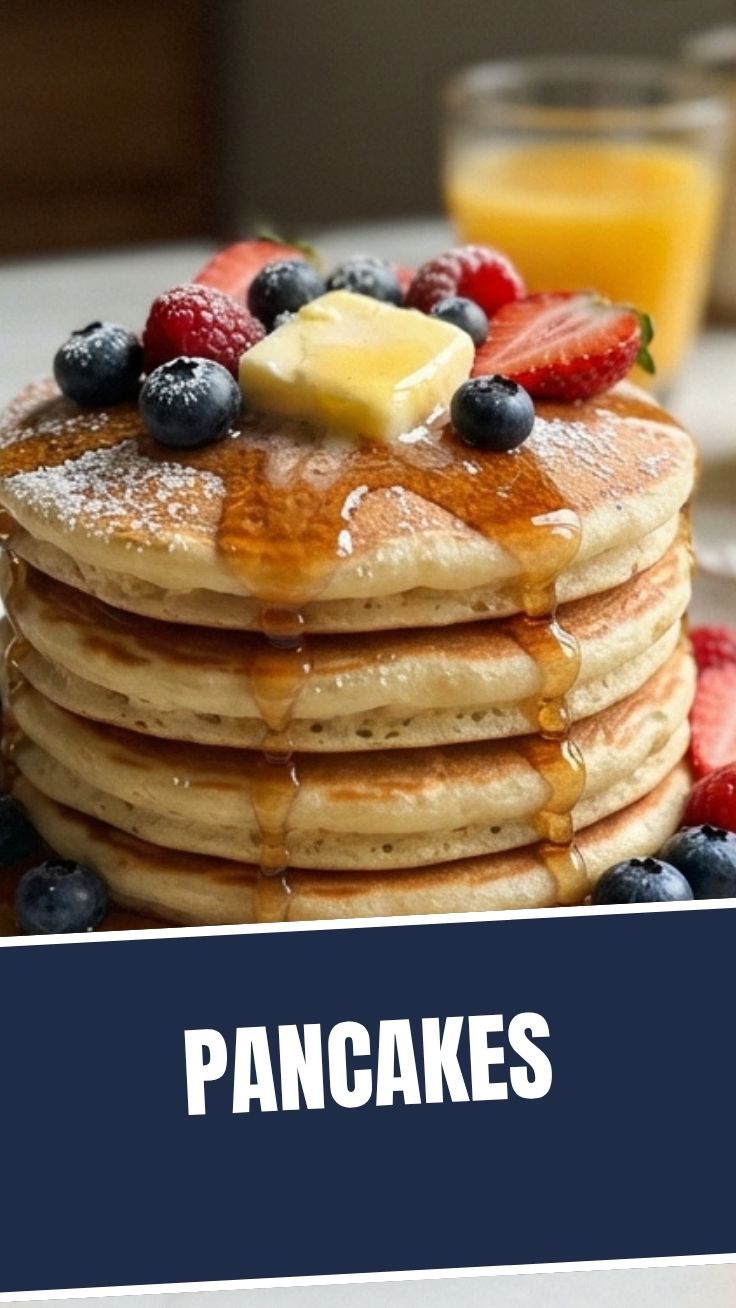
Ever dreamt of biting into a stack of impossibly light, golden-brown Pancakes, drizzled with warm syrup, right in your own kitchen? Forget mediocre diner fare; mastering homemade pancakes isn’t just about a delicious morning meal, it’s about crafting a memorable culinary experience. This comprehensive guide will empower you to create the most delectable breakfast you’ve ever tasted, transforming your everyday breakfast into an extraordinary occasion. We’ll delve into the secrets behind achieving that coveted fluffy texture, ensuring every bite is a delightful revelation.
Ingredients & Kitchen Tools
Crafting perfect pancakes requires a blend of quality ingredients and the right tools. Here’s what you’ll need:
- All-Purpose Flour (2 cups): The structural base for our fluffy pancakes. For a slightly healthier twist, consider a 50/50 blend with whole wheat flour.
- Granulated Sugar (2 tbsp): Adds a touch of sweetness and helps with browning.
- Baking Powder (2 tsp): The primary leavening agent responsible for those delightful air bubbles. Ensure it’s fresh for maximum lift.
- Baking Soda (1 tsp): Reacts with the buttermilk for extra rise and tenderness.
- Salt (1/2 tsp): Balances the flavors and enhances the sweetness.
- Large Egg (1, beaten): Binds the ingredients and adds richness.
- Buttermilk (1 ¾ cups): Crucial for flavor and texture. If you don’t have buttermilk, add 1 tablespoon of white vinegar or lemon juice to regular milk and let it sit for 5 minutes.
- Melted Unsalted Butter (4 tbsp, plus more for greasing): Adds richness and keeps the pancakes tender.
- Vanilla Extract (1 tsp): Enhances the aroma and flavor.
- Large Mixing Bowl: For combining dry ingredients.
- Medium Mixing Bowl: For whisking wet ingredients.
- Whisk: To thoroughly combine ingredients.
- Rubber Spatula: For gentle mixing and scraping the bowl.
- Measuring Cups & Spoons: For accurate ingredient portions.
- Griddle or Large Frying Pan: A flat, non-stick surface is ideal for even cooking.
- Spatula/Turner: For flipping pancakes.
- Ladle or 1/4 cup measuring cup: For portioning batter.
Prep Time & Cooking Schedule
- Prep Time: 10 minutes
- Cook Time: 2-3 minutes per batch (approximately 20 minutes total for a full recipe)
- Resting Time (Optional): 5-10 minutes for the batter to hydrate, leading to even fluffier results.
This recipe is designed for a quick and satisfying breakfast or brunch. With only 10 minutes of preparation, you can enjoy fresh, homemade Pancakes in under 30 minutes, perfect for busy mornings or leisurely weekend spreads.
Step-by-Step Instructions
1. Whisk Dry Ingredients: In a large mixing bowl, combine the flour, sugar, baking powder, baking soda, and salt. Whisk well to ensure there are no lumps and that the leavening agents are evenly distributed. This is key for uniform rise in your Pancakes.
2. Combine Wet Ingredients: In a separate medium mixing bowl, whisk together the beaten egg, buttermilk, melted butter, and vanilla extract until well combined.
3. Combine Wet and Dry: Pour the wet ingredients into the dry ingredients. Stir gently with a rubber spatula until just combined. A few lumps are perfectly fine and even desirable – overmixing develops gluten, leading to tough pancakes.
4. Heat Griddle: Heat a lightly greased griddle or large frying pan over medium heat. Test the temperature by dropping a small amount of water onto the surface; if it sizzles and evaporates quickly, it’s ready.
5. Cook Pancakes: Using a ladle or 1/4 cup measuring cup, pour batter onto the hot griddle. Cook for 2-3 minutes per side, or until golden brown and bubbles form on the surface, indicating they are ready to flip. Adjust heat as needed to prevent burning.
6. Serve Immediately: Serve your fluffy Pancakes warm with your favorite toppings for a delightful breakfast.
Nutritional Benefits & Advantages
While often seen as an indulgence, homemade pancakes can offer surprising nutritional benefits. Using whole wheat flour significantly boosts fiber content, aiding digestion and promoting satiety. The eggs provide a good source of protein, essential for muscle repair and energy. Buttermilk, a fermented dairy product, contains beneficial probiotics that support gut health. By controlling the ingredients, you can reduce added sugars and unhealthy fats commonly found in pre-made mixes or restaurant versions.
Tips Variations & Cooking Advice
- Flavor Boosts: Add a handful of fresh berries (blueberries, raspberries), chocolate chips, or a pinch of cinnamon to the batter for added flavor.
- Gluten-Free: Substitute all-purpose flour with a 1:1 gluten-free flour blend.
- Dairy-Free: Use plant-based milk (almond, soy, oat) with 1 tablespoon of apple cider vinegar instead of buttermilk, and plant-based butter.
- Extra Fluffy: Separate the egg yolk and white. Whip the egg white to stiff peaks and gently fold it into the batter at the very end.
- Keep Warm: Place cooked pancakes on a wire rack set over a baking sheet in a warm oven (around 200°F / 95°C) to keep them warm while you finish cooking the batch.
Common Mistakes to Avoid
- Overmixing the Batter: This is the most common culprit for tough, chewy pancakes. Mix just until the wet and dry ingredients are combined, even if there are a few lumps.
- Too High Heat: Cooking on high heat will result in burnt exteriors and raw interiors. Medium heat is ideal for even cooking.
- Not Greasing the Griddle: Even non-stick surfaces benefit from a light greasing to ensure the pancakes don’t stick and achieve a beautiful golden crust.
- Flipping Too Early: Wait for bubbles to form on the surface and the edges to look set before flipping.
Storage & Meal Prep Tips
Leftover pancakes can be a delicious and convenient meal prep option. Allow them to cool completely before storing.
- Refrigeration: Store in an airtight container for up to 3-4 days.
- Freezing: Stack cooled pancakes with parchment paper in between to prevent sticking, then place in a freezer-safe bag or container for up to 2 months.
- Reheating: Reheat in a toaster, microwave, or a lightly oiled pan until warm and fluffy.
Conclusion
There’s truly nothing quite like the comforting aroma and taste of homemade Pancakes. With this guide, you now possess all the knowledge to consistently create light, fluffy, and utterly delicious pancakes that will elevate any breakfast into a special occasion. So go ahead, don your apron, gather your ingredients, and embark on this delightful culinary adventure. We encourage you to try this recipe, share your creations with us in the comments, and discover the pure joy of homemade perfection.
FAQs
1. Can I make the batter ahead of time?
While you can, it’s best to mix the batter just before cooking for the fluffiest results. The leavening agents start reacting once wet, and their power diminishes over time.
2. My pancakes are flat, what went wrong?
This usually indicates stale baking powder/soda or overmixing the batter. Ensure your leavening agents are fresh and mix just until combined.
3. What’s the best way to get uniform pancake size?
Use a 1/4 cup measuring cup or a ladle to pour the batter onto the griddle for consistent sizing.
4. Can I add fruit to the batter?
Absolutely! Gently fold in fresh berries or finely diced fruit at the end of mixing the batter. Avoid fruits with high water content that can make the batter soggy.
5. How do I prevent the first batch of pancakes from being a disaster?
The first pancake often serves as a “tester” for griddle temperature. Don’t be discouraged if it’s not perfect! Adjust the heat accordingly for subsequent batches.