Unlock the Ultimate Comfort Food: Your Guide to Perfect Cornbread Dressing Every Time
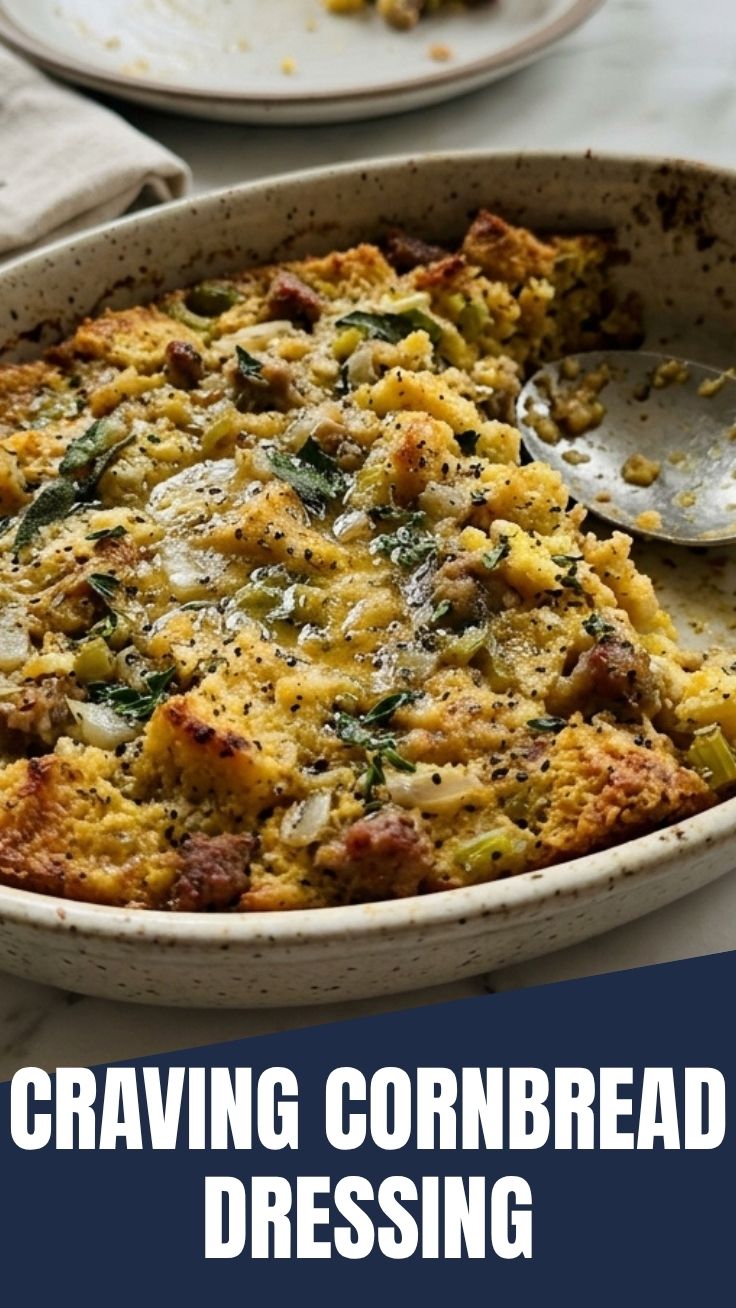
Ever wonder what truly elevates a holiday meal from good to unforgettable? Often, it’s the sides – those comforting, rich dishes that evoke warmth and tradition. And at the heart of many Southern tables, you’ll find the venerable Cornbread Dressing. This isn’t just any side dish; it’s a symphony of savory flavors and textures, a culinary hug that brings people together. Preparing this classic Cornbread Dressing at home isn’t just about cooking; it’s about crafting memories, infusing your kitchen with incredible aromas, and taking pride in a dish that truly shines. Dive in with us as we demystify the art of making this quintessential dish, ensuring your version of a rich, flavorful Southern Cornbread Dressing becomes a cherished family staple.
Ingredients & Kitchen Tools
Crafting the perfect dressing starts with quality ingredients and the right tools.
- For the Cornbread:
* 1 cup all-purpose flour: Provides structure.
* 1 cup yellow cornmeal: The essential base for classic flavor and texture.
* 2 tbsp sugar: Balances the savory notes.
* 1 tbsp baking powder: Leavening agent for a light crumb.
* 1/2 tsp baking soda: Reacts with buttermilk for added lift.
* 1/2 tsp salt: Enhances all flavors.
* 1 cup buttermilk: Adds tang and moisture.
* 1/4 cup vegetable oil (or melted butter): For richness and tenderness.
* 1 large egg: Acts as a binder.
* Cast Iron Skillet (10-inch): Ideal for achieving a crispy crust.
- For the Dressing:
* 1 lb bulk sausage (sage or mild): Adds depth and savory spice.
* 1 large onion, chopped: Aromatic base.
* 2 celery stalks, chopped: Earthiness and texture.
* 1/2 cup (1 stick) unsalted butter: For sautéing and richness.
* 4 cups chicken broth (low sodium): Provides moisture and flavor.
* 2 large eggs, lightly beaten: Binds the ingredients.
* 1 tsp dried sage: Classic flavor enhancer.
* 1/2 tsp black pepper: A touch of spice.
* 1/4 tsp cayenne pepper (optional): For a subtle kick.
* Salt to taste: Adjust seasoning as needed.
- Kitchen Tools:
* Large mixing bowls
* Baking dish (9×13 inch)
* Large skillet for sautéing
* Whisk
* Measuring cups and spoons
* Wooden spoon or spatula
Prep Time & Cooking Schedule
Planning is key for a stress-free cooking experience.
- Cornbread Prep Time: 10 minutes
- Cornbread Cook Time: 20-25 minutes
- Dressing Prep Time: 20 minutes
- Dressing Cook Time: 45-60 minutes
- Resting Time: 10-15 minutes (after baking)
Pro Tip: You can bake the cornbread a day or two in advance and let it air dry slightly. This helps it absorb the broth better without becoming mushy.
Step-by-Step Instructions
Embark on this culinary journey to create an unforgettable Cornbread Dressing.
1. Bake the Cornbread: Preheat your oven to 400°F (200°C). Grease your cast iron skillet or an 8×8 inch baking dish. In a large bowl, whisk together flour, cornmeal, sugar, baking powder, baking soda, and salt. In another bowl, combine buttermilk, oil/melted butter, and egg. Pour the wet ingredients into the dry and mix until just combined – don’t overmix! Pour into the prepared skillet and bake for 20-25 minutes, or until golden brown and a toothpick inserted comes out clean. Let cool completely, then crumble into small pieces and set aside.
2. Sauté Aromatics and Sausage: In a large skillet, cook the bulk sausage over medium heat, breaking it up with a spoon, until browned and cooked through. Drain off excess grease. Add the chopped onion and celery to the same skillet (adding a tablespoon of butter if the pan is dry). Sauté until softened, about 5-7 minutes.
3. Combine Ingredients: In a very large bowl, combine the crumbled cornbread, cooked sausage, sautéed onion and celery, dried sage, black pepper, and cayenne pepper (if using). Mix thoroughly.
4. Add Wet Ingredients: In a separate bowl, whisk together the chicken broth and lightly beaten eggs. Pour this mixture over the cornbread mixture, stirring gently until everything is moistened. The mixture might seem wet, but the cornbread will absorb the liquid as it bakes. This ensures your Southern Cornbread Dressing is moist and not dry.
5. Bake the Dressing: Transfer the mixture to a greased 9×13 inch baking dish. Bake at 375°F (190°C) for 45-60 minutes, or until the top is golden brown and the internal temperature reaches 165°F (74°C). The edges should be set, but the center should still be moist.
6. Rest and Serve: Allow the dressing to rest for 10-15 minutes before serving. This allows the dressing to set and makes for easier serving.
Nutritional Benefits & Advantages
Beyond its incredible taste, this Cornbread Dressing offers several advantages. Cornmeal provides dietary fiber, aiding digestion, while vegetables like onion and celery contribute essential vitamins and minerals. Using lean sausage or even plant-based alternatives can further enhance its nutritional profile. It’s a hearty and satisfying dish that can be a cornerstone of a balanced meal, providing sustained energy.
Tips, Variations & Cooking Advice
- Herb Power: Don’t limit yourself to sage. Add fresh thyme, rosemary, or parsley for more complex aromatics.
- Spice It Up: For a spicier dressing, increase the cayenne pepper or add a pinch of red pepper flakes.
- Vegetarian Option: Omit the sausage and increase the vegetables or add mushrooms for an umami-rich vegetarian Southern Cornbread Dressing. Use vegetable broth instead of chicken broth.
- Gluten-Free: Ensure your cornmeal is certified gluten-free and use a gluten-free all-purpose flour blend for the cornbread.
- Crispy Top: For an extra crispy top, bake the dressing uncovered for the last 15-20 minutes, or even finish it under the broiler for a few minutes (watch carefully!).
- Add-Ins: Cooked chestnuts, dried cranberries, or chopped apples can add delightful texture and flavor variations.
Common Mistakes to Avoid
- Overmixing the Cornbread: Leads to a tough cornbread texture, which then translates to a dense dressing. Mix until just combined.
- Dry Dressing: Not enough liquid is a common culprit. Ensure your cornbread is thoroughly moistened by the broth and egg mixture. Also, over-baking can dry it out.
- Under-seasoning: Taste your components as you go! Adjust salt and pepper, especially after adding the broth.
- Using Stale (but not dry) Cornbread: Freshly baked cornbread can be too soft. Baking it a day in advance or gently toasting freshly made cornbread crumbles in the oven can help.
Storage & Meal Prep Tips
Leftover Cornbread Dressing is a treasure! Store tightly covered in the refrigerator for up to 3-4 days. For longer storage, portion into freezer-safe containers and freeze for up to 3 months. Thaw in the refrigerator overnight. Reheat in the oven at 300°F (150°C) until warmed through, often covered to prevent drying, and then uncovered for the last few minutes for a crispy top. You can also reheat individual portions in the microwave, though the texture might be softer.
Conclusion
Mastering the art of Cornbread Dressing is a truly rewarding experience, transforming simple ingredients into a dish that speaks volumes of tradition and taste. This guide has provided you with the necessary steps and insights to craft a perfectly moist, flavorful, and unforgettable dressing. Whether it’s for a holiday feast or a comforting Sunday dinner, your homemade Southern Cornbread Dressing is sure to be a crowd-pleaser. Don’t be afraid to experiment with variations and make it your own. We encourage you to try this recipe and share your culinary successes with us!
FAQs
1. Can I use store-bought cornbread?
Yes, you can. Ensure it’s a plain, unsweetened, or lightly sweetened cornbread. You’ll need about 6-7 cups of crumbled cornbread.
2. How do I prevent my dressing from being mushy?
The key is making sure your cornbread has some dryness (bake it ahead, or lightly toast crumbled pieces). Also, avoid over-saturating it with too much broth. The mixture should be moist but not swimming in liquid before baking.
3. What if I don’t have fresh sage?
Dried sage works perfectly and is often preferred in traditional recipes. If using fresh, you’ll need about 1 tablespoon finely chopped, as fresh herbs are generally less potent than dried.
4. Can I make this dairy-free?
Yes, use a dairy-free buttermilk alternative (1 cup plant-based milk + 1 tbsp vinegar or lemon juice, let sit for 5 minutes), dairy-free butter, and ensure your chicken broth is dairy-free.
5. My dressing is too dry/too wet, what can I do during baking?
If it’s drying out, cover it with foil. If it’s too wet and not setting, uncover it for the latter part of baking and increase the oven temperature slightly for a short period (e.g., to 400°F/200°C) to encourage evaporation.