Master the Art of Texas BBQ: Your Ultimate Guide to Irresistible Brisket
Have you ever savored that melt-in-your-mouth, smoky perfection of true Texas BBQ and wished you could recreate it in your own backyard? The allure of perfectly cooked brisket, with its deeply caramelized bark and impossibly tender interior, is undeniable. While it might seem daunting, preparing BBQ Brisket (Texas Style) at home isn’t just about crafting a delicious meal; it’s an immersive culinary journey. It’s about understanding the nuances of smoke, heat, and time to transform a humble cut of beef into an extraordinary feast. Plus, the satisfaction of serving your friends and family a magnificent smoked brisket that you’ve personally nurtured to perfection is truly priceless. This guide will demystify the process, empowering you to achieve pitmaster-level results right in your own kitchen or smoker.
Ingredients & Kitchen Tools
Crafting an outstanding brisket requires a few key components and the right equipment. Here’s what you’ll need:
- Beef Brisket (Full Packer, 12-16 lbs): The star of the show. Look for a well-marbled cut with a distinct fat cap. A full packer includes both the flat and the point.
- Coarse-Ground Black Pepper (1/2 cup): The backbone of Texas-style rub, providing a bold, peppery crust.
- Kosher Salt (1/4 cup): Enhances flavor and helps create that desirable bark.
- Garlic Powder (2 tablespoons): Adds an aromatic depth to the rub.
- Onion Powder (1 tablespoon): Complements the garlic and savory profile.
- Water or Beef Broth (1 cup): For the spritzing liquid, keeping the brisket moist.
- Apple Cider Vinegar (1/4 cup): Adds a touch of acidity to the spritz.
- Heavy Duty Aluminum Foil or Butcher Paper: Essential for the “Texas Crutch” phase, wrapping the brisket to push through the stall.
- Meat Thermometer (Digital, Instant-Read, and Leave-in Probe): Crucial for monitoring internal temperature for perfect doneness.
- Offset Smoker, Pellet Smoker, or Charcoal Grill with Smoker Box: Your primary cooking apparatus for maintaining low, consistent temperatures.
- Sharp Boning Knife or Trim Knife: For expertly trimming the brisket fat.
- Large Cutting Board: For prepping and carving.
- Spray Bottle: For applying the spritz.
- Heat-Resistant Gloves: For handling hot brisket.
- Cooler (empty, with towels): For the crucial rest period.
Prep Time & Cooking Schedule
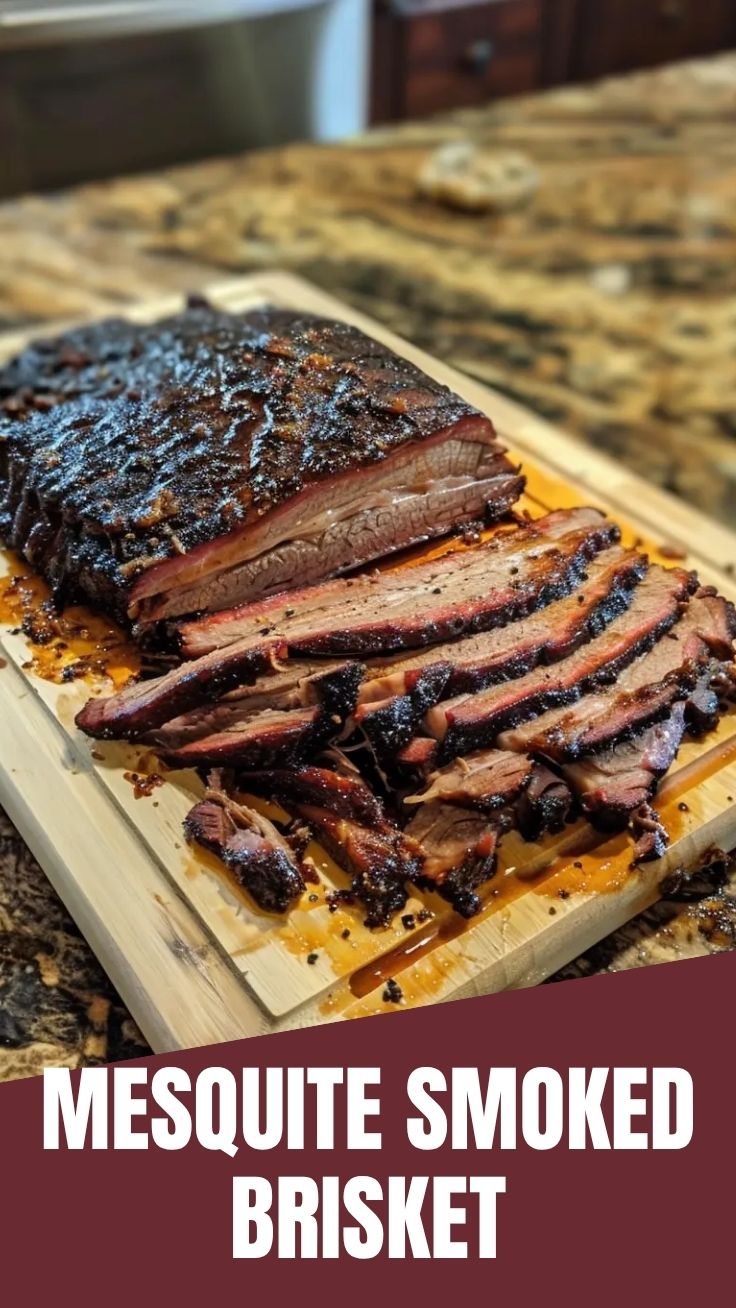
Embarking on a brisket journey is a marathon, not a sprint. Proper planning ensures success.
- Prep Time: 45-60 minutes (trimming and seasoning)
- Cook Time: 10-16 hours (depending on brisket size and smoker consistency)
- Resting Time: 2-4 hours (absolutely non-negotiable for tender, juicy results)
- Total Time: Approximately 13-21 hours.
Begin your cook early in the morning, or even the night before, if you want to enjoy it for dinner. The long resting period allows the muscle fibers to relax and redistribute juices, so don’t skip it!
Step-by-Step Instructions
1. Trim the Brisket (1 hour): Start by trimming the fat cap to about 1/4 inch thickness. Remove any hard, chunky fat as it won’t render well. Shape the brisket to be aerodynamic for even smoke penetration.
2. Apply the Rub (15 minutes): Mix the kosher salt, black pepper, garlic powder, and onion powder thoroughly. Generously coat all sides of the brisket. Don’t be shy; the bark is where much of the flavor resides.
3. Preheat Your Smoker (30-60 minutes): Set your smoker to a consistent temperature of 225-275°F (107-135°C). Use wood like post oak or hickory for that classic Texas flavor.
4. Smoke the Brisket (6-10 hours): Place the brisket fat-side up (or towards the heat source, if applicable) on the smoker grate. Maintain consistent temperature. Begin spritzing every 1-2 hours with your water/vinegar mixture once the bark has set (usually 3-4 hours in). Continue smoking until the internal temperature reaches 165-175°F (74-79°C) and the bark is deeply colored. This is often referred to as “the stall.” This is where preparing BBQ Brisket (Texas Style) truly tests your patience.
5. Wrap the Brisket (10 minutes): Once the stall hits and the bark is developed, remove the brisket. Wrap it tightly in butcher paper or heavy-duty aluminum foil. Return to the smoker. Wrapping helps the internal temperature rise faster and keeps the brisket moist during the final cooking phase. This step is critical for truly tender smoked brisket.
6. Finish Cooking (3-6 hours): Continue smoking the wrapped brisket until it reaches an internal temperature of 200-205°F (93-96°C) and, more importantly, feels probe tender. The probe should slide in with very little resistance, like putting a hot knife through butter.
7. The All-Important Rest (2-4 hours): Remove the brisket from the smoker (still wrapped). Place it in an empty cooler, insulated with towels. Close the lid and let it rest. This allows the fibers to relax and redistribute the juices, resulting in unparalleled tenderness and juiciness.
8. Slice and Serve: Unwrap the brisket. Separate the flat from the point (if not already separated) and slice against the grain. Slice the flat into pencil-thick pieces and the point into thicker segments or chop it for burnt ends.
Nutritional Benefits & Advantages
Beyond its incredible flavor, brisket offers some nutritional perks. As a red meat, it’s an excellent source of high-quality protein, which is essential for muscle repair and growth. It’s also rich in iron, vital for healthy blood oxygen transport, and B vitamins, particularly B12, supporting nerve function and energy production. While it contains saturated fat, much of it can be trimmed before cooking, and the long, slow smoking process renders out a significant portion, making it a flavorful yet manageable option for occasional enjoyment.
Tips, Variations & Cooking Advice
- Wood Selection: Post oak is king for Texas brisket, but hickory or pecan also work wonderfully. Avoid overly strong woods like mesquite which can overpower.
- Spritzing Liquid: Experiment with different spritz mixes – beer, beef broth, apple juice, or even a dilute hot sauce for a kick.
- The Bark: Don’t fear the black! A good bark is crucial. If it’s getting too dark too fast, lower your smoker temperature slightly.
- Doneness is Feel, Not Just Temp: While internal temperature is a guide, the best way to know if your brisket is done is by its tenderness. The probe test is paramount.
- Burnt Ends: The fattier, more gelatinous point of the brisket can be cubed, re-seasoned, and returned to the smoker for an hour or two to create delicious “burnt ends.”
- Storage & Reheating: For leftover slices, place them in an airtight container with a splash of beef broth or pan drippings. Reheat gently in an oven or on the smoker to retain moisture.
Common Mistakes to Avoid
- Not Trimming Properly: Too much fat prevents bark formation and renders poorly. Too little fat can lead to dry meat.
- Skipping the Rest: This is the most crucial mistake. An unrested brisket will be tough and dry, no matter how perfectly cooked.
- Cooking at Too High a Temperature: Leads to a tough, dry product with poor smoke penetration. Low and slow is the mantra.
- Opening the Smoker Too Often: “If you’re lookin’, you ain’t cookin’!” Each time you open the lid, you lose heat and smoke, extending cooking time.
- Over-Seasoning: Texas brisket is all about the beef and smoke. A simple salt and pepper rub is often best.
Storage & Meal Prep Tips
Leftover BBQ Brisket (Texas Style) is a treasure! Store sliced brisket in an airtight container in the refrigerator for up to 3-4 days. For longer storage, freeze individual portions in vacuum-seal bags or freezer-safe containers for up to 3 months. When reheating, it’s best to do so gently. Place slices on a baking sheet with a small amount of beef broth or water, cover with foil, and warm in a 275°F (135°C) oven until heated through. This prevents drying out and preserves its tender texture.
Conclusion
Mastering BBQ Brisket (Texas Style) is a journey of patience, precision, and passion, culminating in one of the most rewarding culinary experiences you can undertake. From the careful trimming and robust rub to the low-and-slow dance with smoke and the vital resting period, every step plays a role in creating that legendary, succulent smoked brisket. Don’t be intimidated by its reputation; embrace the process, trust your instincts, and enjoy the incredible aroma that fills your yard. We encourage you to try this ultimate guide, share your smoky triumphs in the comments, and embark on your own pitmaster adventure!
FAQs
Q: Can I make this on a gas grill?
A: Yes, you can. You’ll need a smoker box filled with wood chips placed over a burner set to low, with the other burners off to maintain indirect heat. It requires more vigilance with temperature control.
Q: What kind of brisket should I buy?
A: A full packer brisket is ideal. Look for certified Angus or prime grade beef with good marbling throughout the flat and point.
Q: My brisket hit 170°F and stopped rising. What’s wrong?
A: This is called “the stall” and it’s completely normal! It’s due to evaporative cooling. This is the perfect time to wrap your brisket in butcher paper or foil to help it push through.
Q: How do I know when the brisket is done?
A: Focus on “probe tender” – the internal temperature should be around 200-205°F (93-96°C), but it’s truly done when a probe slides into the thickest part with no resistance.
Q: Can I use a rub with sugar in it?
A: While traditional Texas beef brisket typically uses a minimalist salt and pepper rub, you can experiment. Be aware that sugar-heavy rubs can caramelize or even burn at smoking temperatures. If you use sugar, monitor it closely.