The Ultimate Guide to Perfect Creamy Scalloped Potatoes
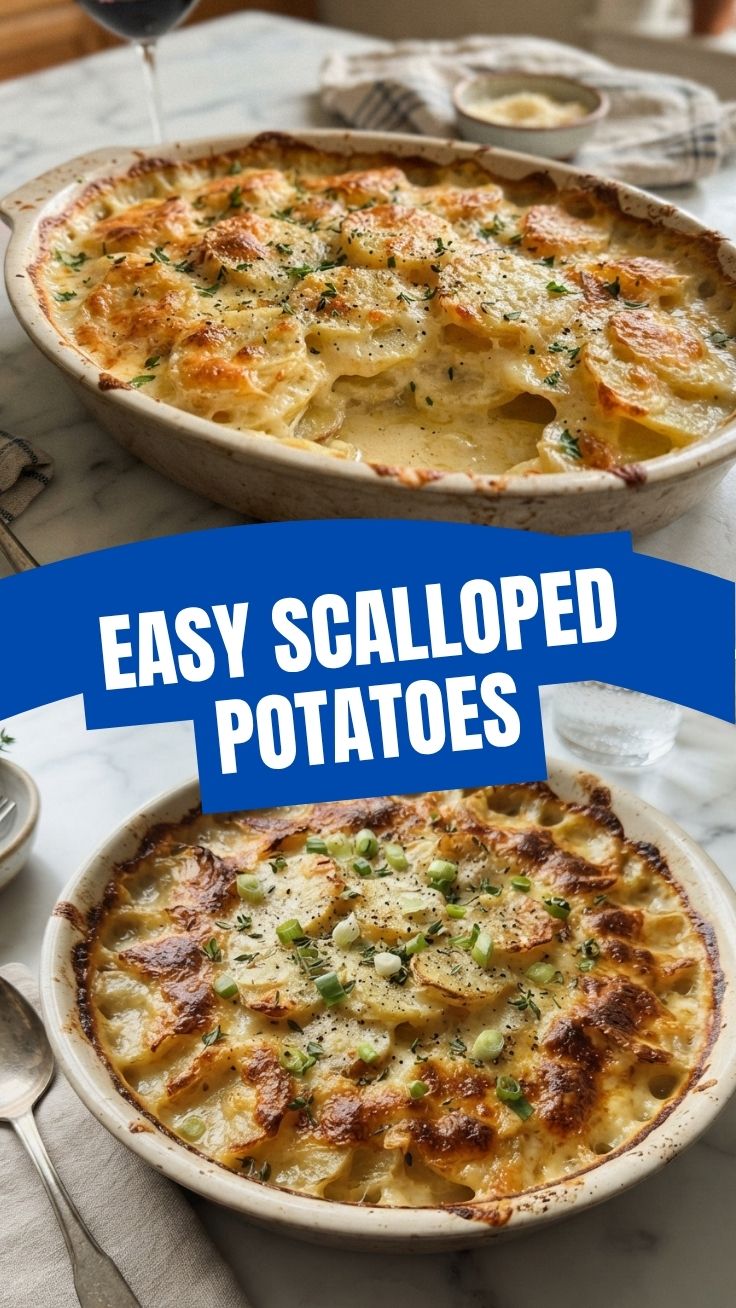
Ever wondered how to achieve that perfectly creamy, melt-in-your-mouth Scalloped Potatoes dish that graces holiday tables and family dinners? This seemingly complex side is, in fact, incredibly rewarding to master at home. Forget bland, watery versions – today, we’re diving deep into crafting a truly exceptional Potato Gratin that will have everyone asking for seconds. Preparing this classic at home allows for unparalleled control over ingredients, ensuring a wholesome, flavorful dish free from unnecessary additives.
Ingredients & Kitchen Tools
Crafting the perfect dish starts with the right components. Here’s what you’ll need:
- Potatoes: 3 lbs Russet or Yukon Gold potatoes, peeled and thinly sliced (about 1/8-inch thick). Russets offer a classic starchy texture, while Yukon Golds provide a creamier, slightly buttery flavor.
- Butter: 4 tablespoons unsalted butter. For sautéing and enriching the sauce.
- All-Purpose Flour: 4 tablespoons. The thickening agent for our luscious béchamel.
- Milk: 3 cups whole milk, warmed. Whole milk creates the creamiest sauce; you can substitute with 2% for a lighter option.
- Heavy Cream: 1 cup. Adds an extra layer of richness and velvety texture.
- Garlic: 2 cloves, minced. Infuses the sauce with aromatic depth.
- Nutmeg: 1/2 teaspoon, freshly grated. A classic pairing with creamy potato dishes, it adds a subtle warmth.
- Salt: 1.5 teaspoons, or to taste. Essential for seasoning every layer.
- Black Pepper: 1/2 teaspoon, freshly ground, or to taste.
- Cheese (Optional): 1 cup grated Gruyère or sharp cheddar cheese. For an extra cheesy, golden crust.
Kitchen Tools:
- Mandoline Slicer or Sharp Knife: For achieving uniformly thin potato slices, crucial for even cooking.
- Large Saucepan or Dutch Oven: For preparing the béchamel sauce.
- 9×13 Inch Baking Dish: The perfect size for a family-sized portion.
- Whisk: For smoothing out the sauce.
- Measuring Cups and Spoons: For accurate ingredient quantities.
- Parchment Paper or Aluminum Foil: For covering during baking.
Prep Time & Cooking Schedule
- Prep Time: 25 minutes (primarily slicing potatoes)
- Cook Time: 60-75 minutes (covered for 45-55 mins, uncovered for 15-20 mins)
- Resting Time: 10 minutes (allows the sauce to set and potatoes to firm up)
To plan your meal, consider preparing the potatoes and sauce up to a day in advance. Assemble the dish, cover, and refrigerate. When ready to bake, add an extra 15-20 minutes to the covered baking time to account for the chilled starting temperature.
Step-by-Step Instructions
1. Preheat Oven & Prep Potatoes: Preheat your oven to 375°F (190°C). Lightly butter your 9×13 inch baking dish. Peel and thinly slice your potatoes using a mandoline or a very sharp knife to ensure uniform thickness (about 1/8 inch). This evenness is key to a perfectly cooked, tender Scalloped Potatoes.
2. Make the Béchamel Sauce: In a large saucepan, melt the butter over medium heat. Add the minced garlic and sauté for 1 minute until fragrant. Whisk in the flour and cook for 1-2 minutes, creating a roux. Gradually whisk in the warm milk and heavy cream, ensuring no lumps form. Bring to a gentle simmer, stirring constantly, until the sauce thickens. Remove from heat and stir in the nutmeg, salt, and black pepper. Taste and adjust seasoning as needed. This creamy foundation is what elevates a simple Potato Gratin from good to unforgettable.
3. Layer the Dish: Arrange one-third of the sliced potatoes in a single, slightly overlapping layer in the prepared baking dish. Pour about one-third of the béchamel sauce evenly over the potatoes. If using cheese, sprinkle a third of it over the sauce. Repeat these layers two more times, ending with a generous pour of sauce and a sprinkle of cheese on top (if using).
4. Bake: Cover the baking dish tightly with aluminum foil or parchment paper. Bake for 45-55 minutes, or until the potatoes are tender when pierced with a fork. Remove the foil/parchment and bake for an additional 15-20 minutes, or until the top is golden brown and bubbling.
5. Rest and Serve: Remove from the oven and let rest for at least 10 minutes before serving. This allows the sauce to set and prevents it from being too runny.
Nutritional Benefits & Advantages
Potatoes, often misunderstood, are a good source of Vitamin C, Vitamin B6, potassium, and dietary fiber, especially when the skin is left on (though for this recipe, peeling is traditional). Using whole milk and cream provides healthy fats and calcium. This dish offers a comforting and energy-rich component to any meal, providing sustained energy. Customizing with ingredients like low-fat milk or vegetable broth can reduce caloric intake while maintaining flavor.
Tips, Variations & Cooking Advice
- Spice It Up: Add a pinch of cayenne pepper or a dash of hot sauce to the béchamel for a subtle kick.
- Herbaceous Notes: Incorporate fresh thyme or rosemary sprigs between layers for an aromatic twist.
- Cheesy Delight: Experiment with different cheeses like Fontina, white cheddar, or even a smoked Gouda for varied flavor profiles.
- Gluten-Free: Substitute all-purpose flour with a gluten-free flour blend for the roux. Ensure other ingredients are also certified gluten-free.
- Dairy-Free: Use plant-based milk (oat or cashew milk work well) and vegan butter. Thickening can be achieved with a cornstarch slurry or by reducing the plant-based milk longer. Nutritional yeast can add a cheesy flavor.
Common Mistakes to Avoid
- Uneven Slices: This is the most common pitfall. Inconsistent thickness leads to some potatoes being undercooked and others mushy. A mandoline is highly recommended.
- Undercooked Potatoes: Not baking long enough, especially when covered, results in crunchy, unappetizing potatoes. Always test for tenderness.
- Runny Sauce: This often happens if the roux isn’t cooked long enough or if the milk isn’t gradually whisked in. Letting the dish rest after baking helps the sauce set.
- Bland Flavor: Don’t be shy with seasoning. Potatoes absorb a lot of salt and pepper, so ensure your béchamel is well-seasoned.
- Over-browning: If the top browns too quickly, cover it loosely with foil for the remainder of the baking time.
Storage & Meal Prep Tips
Leftover Scalloped Potatoes can be stored in an airtight container in the refrigerator for up to 3-4 days. To reheat, cover and warm in a 300°F (150°C) oven until heated through, or microwave individual portions. Freezing is not recommended as the potatoes can become mealy and the sauce may separate upon thawing. For meal prep, you can slice the potatoes and make the béchamel sauce ahead of time, then assemble and bake closer to serving.
Conclusion
Mastering a classic dish like Scalloped Potatoes is a culinary triumph that brings warmth and comfort to any gathering. By following these detailed steps, embracing our tips, and avoiding common pitfalls, you’ll consistently create a velvety, flavorful Potato Gratin that truly stands out. Don’t be intimidated; the reward of a homemade, perfectly cooked side dish is immense. Give this recipe a try, share your delightful creations, and enjoy the delicious journey!
FAQs
Q: Can I use different types of potatoes?
A: While Russets and Yukon Golds are ideal for their starch content and creaminess, you can experiment with red potatoes for a slightly firmer texture. Avoid waxy potatoes like new potatoes, as they don’t absorb the sauce as well.
Q: How do I prevent the sauce from separating?
A: Ensuring your béchamel is properly made (cooked roux, gradual milk addition, constant whisking) is key. Also, avoid over-baking and allow the dish to rest before serving.
Q: Can I make this dish ahead of time?
A: Yes! You can assemble the entire dish, cover it, and refrigerate for up to 24 hours. Add an extra 15-20 minutes to the initial covered baking time when baking from cold.
Q: My potatoes are still a bit firm. What went wrong?
A: This usually means they haven’t cooked long enough. Ensure your slices are thin and uniform, and extend the covered baking time until they are tender when pierced.