Master the Art of Homemade Coleslaw: Your Ultimate Guide
Tired of the same old, uninspired side dishes? What if you could elevate your next meal with a vibrant, creamy, and utterly delicious homemade Coleslaw that rivals your favorite restaurant’s version? Preparing this classic side dish at home isn’t just about saving money; it’s about customizing flavors, ensuring freshness, and creating a truly memorable culinary experience. Learning the perfect coleslaw recipe empowers you to transform simple cabbage and carrots into a symphony of textures and tastes. This comprehensive guide will walk you through every step, ensuring your homemade coleslaw is a guaranteed crowd-pleaser.
Ingredients & Kitchen Tools
Crafting the perfect coleslaw begins with selecting quality ingredients and having the right tools on hand.
- For the Salad:
* 1 medium head green cabbage (approx. 2 lbs): Fresh, crisp, and finely shredded. The star of our Coleslaw.
* 2 medium carrots: Grated or julienned for color, sweetness, and crunch.
* ½ small red onion (optional): Finely minced for a sharp, zesty kick. Adds depth to the coleslaw recipe.
- For the Dressing:
* 1 cup mayonnaise: Full-fat for rich creaminess, or light mayo for a healthier option.
* ¼ cup apple cider vinegar: Provides essential tang and balances sweetness.
* 2 tablespoons granulated sugar: Sweetens the dressing; adjust to taste. Can substitute with honey or maple syrup.
* 1 tablespoon Dijon mustard: Adds a subtle piquant note and emulsifies the dressing.
* ½ teaspoon celery seeds: A classic coleslaw ingredient for an earthy, aromatic touch.
* ½ teaspoon salt: Enhances all flavors; adjust to taste.
* ¼ teaspoon black pepper: Freshly ground for best flavor.
- Kitchen Tools:
* Large mixing bowl: Essential for combining all ingredients.
* Sharp chef’s knife: For finely shredding cabbage.
* Grater or food processor with shredding disc: For carrots and faster cabbage prep.
* Whisk: For thoroughly combining the dressing ingredients.
* Measuring cups and spoons: For precise ingredient amounts.
Prep Time & Cooking Schedule
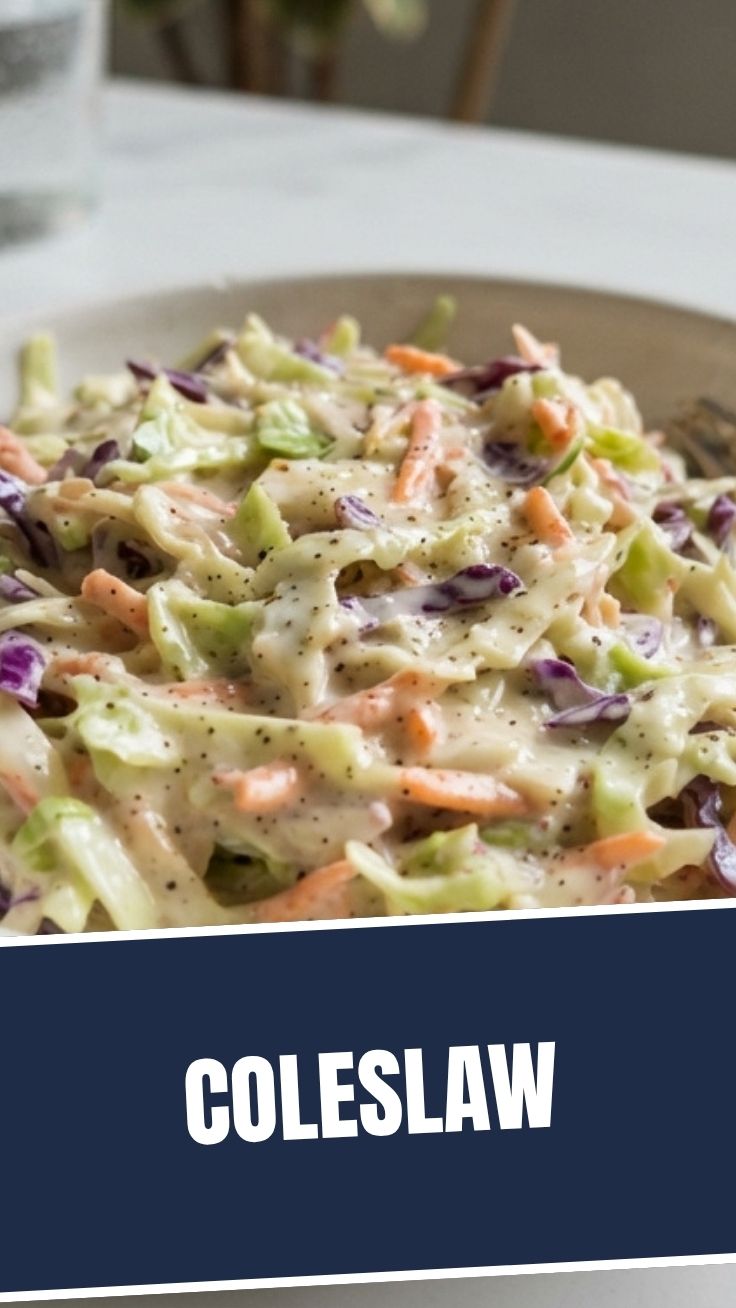
This Coleslaw is all about fresh prep and a little resting time for optimal flavor marriage.
- Prep Time: 20-25 minutes (This includes shredding vegetables and mixing the dressing.)
- Resting Time: Minimum 30 minutes, ideally 2-4 hours, or overnight in the refrigerator. This allows the flavors to meld beautifully and the cabbage to soften slightly, creating that quintessential coleslaw texture. There is no “cook time” involved for this coleslaw recipe. Plan to prepare it ahead of your meal for the best results.
Step-by-Step Instructions
Follow these detailed steps to create a perfect, creamy, and flavorful coleslaw every time.
1. Prepare the Vegetables:
* Cabbage: Remove any tough outer leaves. Cut the cabbage into quarters and carefully remove the core. Using a sharp chef’s knife, finely shred the cabbage into thin strips. Alternatively, use a mandoline or the shredding disc of a food processor for consistent results. Place the shredded cabbage in your large mixing bowl.
* Carrots: Peel the carrots and either grate them using a box grater or julienne them into thin matchsticks. Add the prepared carrots to the bowl with the cabbage.
* Red Onion (if using): Finely mince the red onion and add it to the bowl.
2. Make the Dressing: In a separate medium bowl, combine the mayonnaise, apple cider vinegar, granulated sugar, Dijon mustard, celery seeds, salt, and black pepper. Whisk vigorously until the dressing is completely smooth and well-emulsified. Taste and adjust seasonings as needed; you might want a little more sugar for sweetness or vinegar for tang, depending on your preference for your Coleslaw.
3. Combine and Toss: Pour the prepared dressing over the shredded vegetables in the large mixing bowl. Using tongs or clean hands, gently but thoroughly toss the ingredients until all the cabbage and carrots are evenly coated with the creamy dressing. Ensure no dry spots remain for a truly consistent coleslaw recipe.
4. Chill and Serve: Cover the bowl tightly with plastic wrap and refrigerate for at least 30 minutes, preferably 2-4 hours, or even overnight. This chilling time is crucial for the flavors to meld and the cabbage to slightly tenderize without becoming soggy. Before serving, give the coleslaw another quick toss.
Nutritional Benefits & Advantages
Homemade Coleslaw, when prepared with fresh ingredients, offers more than just deliciousness. Cabbage is an excellent source of Vitamin C and Vitamin K, and it’s rich in fiber, which aids digestion. Carrots contribute a healthy dose of Vitamin A (beta-carotene) for eye health, along with antioxidants. By making your own, you control the amount of sugar and fat, making it a healthier alternative to many store-bought versions. You can opt for reduced-fat mayonnaise or even use Greek yogurt for a lighter, protein-packed dressing, enhancing its nutritional profile.
Tips, Variations & Cooking Advice
- Spice It Up: Add a pinch of cayenne pepper or a dash of hot sauce to the dressing for a spicy kick.
- Herbaceous Notes: Fresh dill, parsley, or chives, finely chopped and added to the dressing, can introduce a lovely aromatic complexity.
- Creamy Alternatives: For a lighter dressing, substitute half of the mayonnaise with plain Greek yogurt or sour cream. For a dairy-free option, use vegan mayonnaise.
- Sweetness Levels: Adjust the sugar content to your liking. Some prefer a sweeter coleslaw, while others prefer it tangier. Honey or maple syrup can be used as natural sweeteners.
- Texture Play: Add some toasted nuts (pecans or walnuts) or sunflower seeds right before serving for an extra layer of crunch. Dried cranberries or raisins can also add a touch of sweetness and chewiness.
- Vinegar Varieties: Experiment with different vinegars like white wine vinegar or rice vinegar for subtle flavor changes in your Coleslaw.
Common Mistakes to Avoid
- Over-dressing: Too much dressing can make the coleslaw soggy and overpower the fresh vegetable flavors. Start with a conservative amount and add more if needed.
- Not Shredding Finely Enough: Large chunks of cabbage can make the coleslaw difficult to eat and less appealing in texture. Aim for thin, uniform shreds.
- Skipping the Chill Time: Rushing the chilling process prevents the flavors from fully developing and the cabbage from tenderizing. Patience is key for a great coleslaw recipe.
- Using Wilted Vegetables: Always start with fresh, crisp cabbage and carrots. Wilted vegetables will result in a less appetizing texture.
- Adding Crunchy Toppings Too Early: If you plan to add nuts or seeds, incorporate them just before serving to maintain their crunch.
Storage & Meal Prep Tips
Store leftover Coleslaw in an airtight container in the refrigerator for up to 3-4 days. While it’s best eaten within a day or two, it will still be enjoyable. It’s not recommended to freeze coleslaw, as the freezing and thawing process can cause the vegetables to become watery and mushy, and the mayonnaise-based dressing can separate. For meal prep, you can shred the vegetables and prepare the dressing separately, then combine them a few hours before serving.
Conclusion
Crafting your own creamy, tangy, and satisfying Coleslaw is a simple yet rewarding endeavor that elevates any meal. By following this detailed guide, you’ve gained the knowledge to create a truly outstanding coleslaw recipe, customizing it to your exact preferences. So go ahead, embrace the joy of homemade goodness, and watch as this vibrant side dish becomes a staple in your culinary repertoire. Don’t forget to share your delicious creations and tag us with your coleslaw masterpieces!
FAQs
Q1: Can I make coleslaw ahead of time?
A1: Absolutely! In fact, coleslaw benefits from chilling for at least 2-4 hours, or even overnight, allowing the flavors to meld.
Q2: What can I use instead of mayonnaise?
A2: For a lighter dressing, you can substitute half or all of the mayonnaise with plain Greek yogurt or sour cream. Vegan mayonnaise is also an excellent dairy-free alternative.
Q3: How do I prevent my coleslaw from getting watery?
A3: Ensure your cabbage is dry after washing. Also, avoid adding salt too far in advance if you’re concerned, as salt can draw out moisture from the cabbage. The amount in our recipe is balanced to minimize this effect.
Q4: Can I add other vegetables to coleslaw?
A4: Yes! Feel free to experiment with finely sliced bell peppers (red, yellow, or orange), shredded broccoli stems, or even a handful of finely chopped kale for added nutrition and color.
Q5: What’s the best way to shred cabbage without a food processor?
A5: A sharp chef’s knife is your best tool. Cut the cabbage into quarters, remove the core, and then slice each quarter very thinly. A mandoline can also provide incredibly thin and uniform shreds, but exercise caution when using it.