Master Homemade Meatballs: Your Ultimate Guide to Flavorful Perfection
Are you tired of bland, store-bought dinners and yearning for a meal that truly excites your taste buds and nourishes your soul? Imagine sinking your teeth into succulent, perfectly seasoned Meatballs, crafted with love and fresh ingredients right in your own kitchen. This comprehensive guide will empower you to create culinary magic, transforming humble ingredients into an unforgettable dining experience. Preparing homemade Meatball recipes offers unparalleled control over flavor, nutrition, and even budget, making it an incredibly valuable skill for any aspiring home chef. Let’s dive in and unlock the secrets to truly sensational Meatball recipes.
Ingredients & Kitchen Tools
Crafting the perfect batch of Meatballs requires a thoughtful selection of ingredients and the right tools.
Ground Meat (1.5 lbs): A blend of 50% ground beef and 50% ground pork is ideal for juiciness and flavor. Substitution: All beef or turkey for a leaner option, though texture may vary.*
Breadcrumbs (1/2 cup): Panko breadcrumbs for a lighter texture, or fresh breadcrumbs for a denser bind. Clarification: Acts as a binder and helps retain moisture.*
Egg (1 large): Binds the ingredients together. Clarification: Helps prevent the meatballs from falling apart.*
Milk (1/4 cup): Whole milk or buttermilk for moisture and tenderness. Clarification: Soaks the breadcrumbs, making them softer and more effective.*
Onion (1/2 small): Finely grated or minced for flavor depth without large chunks. Clarification: Adds aromatic sweetness.*
Garlic (2 cloves): Minced for pungent flavor. Clarification: Essential for a robust flavor profile.*
Fresh Parsley (2 tbsp): Finely chopped for freshness and color. Substitution: Dried parsley (1 tsp) if fresh is unavailable.*
Parmesan Cheese (1/4 cup): Grated for a salty, umami kick. Substitution: Pecorino Romano for a sharper taste.*
Salt (1 tsp): To enhance all flavors. Clarification: Adjust to taste.*
Black Pepper (1/2 tsp): Freshly ground for best flavor. Clarification: Adds a peppery bite.*
Olive Oil (2 tbsp): For searing. Clarification: Adds flavor and helps create a crust.*
Kitchen Tools:
- Large Mixing Bowl: For combining ingredients.
- Baking Sheet with Wire Rack: For baking and even cooking/cooling.
- Non-Stick Skillet or Dutch Oven: For searing (if not baking directly).
- Meatball Scoop (optional): For uniform sizes (e.g., 1.5-inch diameter).
- Measuring Cups and Spoons: For accurate ingredient measurement.
Prep Time & Cooking Schedule
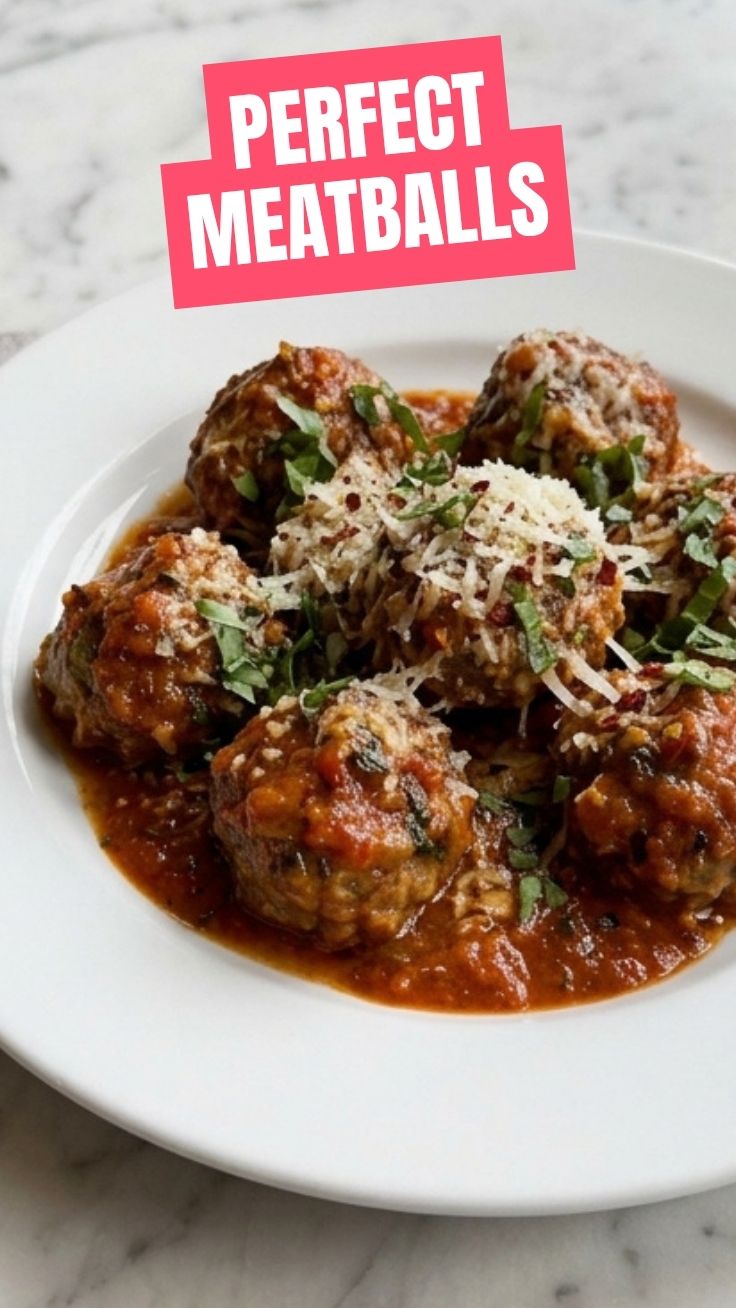
Achieving perfectly cooked Meatballs is all about timing and technique.
- Prep Time: 15-20 minutes (includes chopping and mixing)
- Cooking Time: 20-25 minutes (baking) OR 10-15 minutes (searing, then simmering)
- Resting Time: 5 minutes after cooking (optional, but recommended for juicy results)
Schedule Context: This recipe is perfect for weeknight dinners. You can prep the mixture ahead of time (up to 24 hours in the fridge) and then simply form and cook the Meatballs when you’re ready to eat. This flexibility makes it a fantastic option for meal planning.
Step-by-Step Instructions
Follow these detailed steps to create your own mouth-watering Meatballs:
1. Prepare the Breadcrumb Mixture: In a small bowl, combine the breadcrumbs and milk. Let it sit for 5 minutes, allowing the breadcrumbs to absorb the liquid. This ensures tender Meatballs.
2. Combine Ingredients: In a large mixing bowl, gently combine the ground meat, soaked breadcrumb mixture, egg, grated onion, minced garlic, chopped parsley, Parmesan cheese, salt, and black pepper. Tip: Do not overmix! Overmixing can lead to tough meatballs. Mix just until combined.
3. Form the Meatballs: Using your hands or a scoop, form the mixture into uniform 1.5-inch balls. Aim for consistency to ensure even cooking. This is a crucial step for producing excellent Meatball recipes.
4. Cook the Meatballs:
* Baking Method: Preheat your oven to 400°F (200°C). Arrange the formed balls on a wire rack set over a baking sheet (this allows fat to drip off and promotes even browning). Bake for 20-25 minutes, or until cooked through and nicely browned.
* Searing then Simmering (for sauced Meatballs): Heat olive oil in a large non-stick skillet or Dutch oven over medium-high heat. Sear the Meatballs in batches until browned on all sides (about 2-3 minutes per side). They don’t need to be cooked through at this stage. Transfer to a plate, then add to your favorite simmering sauce (marinara, BBQ, etc.) and cook for 15-20 minutes until thoroughly cooked and infused with sauce.
5. Rest (Optional but Recommended): Let the cooked Meatballs rest for a few minutes before serving. This helps redistribute juices, leading to a more tender and flavorful result.
Nutritional Benefits & Advantages
Homemade Meatballs offer more than just deliciousness. By making them yourself, you control the ingredients, allowing for healthier choices. Lean ground meats reduce saturated fat, while incorporating whole grains (from whole wheat breadcrumbs) adds fiber. The addition of fresh herbs and vegetables (like onion and garlic) boosts micronutrient intake and antioxidant levels. Compared to many processed ready-made options, homemade versions often have lower sodium content and fewer artificial additives.
Tips Variations & Cooking Advice
- Flavor Boost: Add a pinch of red pepper flakes for a subtle kick, or a teaspoon of dried oregano/Italian seasoning for an herby depth. A dash of Worcestershire sauce can also add umami.
- Ingredient Swaps: Explore different ground meats: turkey, chicken, or even lamb can create unique flavor profiles. For a gluten-free option, use gluten-free breadcrumbs or substitute with cooked quinoa or rolled oats. Dairy-free? Omit the Parmesan or use a plant-based alternative.
- Alternative Cooking Methods: Air frying is another excellent option for crispy Meatballs. Cook at 375°F (190°C) for 12-15 minutes, shaking the basket occasionally.
- Portion Changes: Adjust the size to your preference, remembering that smaller Meatballs cook faster and are great for appetizers, while larger ones are perfect for a main course.
Common Mistakes to Avoid
- Overmixing the Meat Mixture: This is the cardinal sin of Meatballs. Overworking the meat develops the proteins too much, resulting in a tough, rubbery texture. Mix gently until just combined.
- Not Seasoning Enough: Bland Meatballs are disappointing. Don’t be shy with salt and pepper, and consider a small test patty (cooked quickly) to adjust seasoning before forming all the balls.
- Crowding the Pan: When searing, crowding the pan lowers the temperature and steams the Meatballs instead of browning them. Cook in batches if necessary.
- Overcooking: While you want them cooked through, overcooking will dry them out. Use a meat thermometer to check for an internal temperature of 160°F (71°C) for ground beef and pork.
Storage & Meal Prep Tips
Homemade Meatballs are fantastic for meal prep!
- Refrigeration: Cooked Meatballs can be stored in an airtight container in the refrigerator for 3-4 days.
- Freezing Cooked Meatballs: Place cooled, cooked Meatballs on a baking sheet and freeze until solid (1-2 hours). Transfer to a freezer-safe bag or container. They can be frozen for up to 3 months.
- Freezing Uncooked Meatballs: Form the Meatballs, then place them on a parchment-lined baking sheet and freeze until solid. Transfer to a freezer-safe bag. Cook from frozen, adding about 10-15 minutes to cooking time, or thaw in the fridge overnight.
- Reheating: Reheat gently in a sauce on the stovetop, in the oven (covered with a little sauce or broth), or in the microwave until warmed through.
Conclusion
Mastering homemade Meatballs is a deeply rewarding culinary journey. From selecting the freshest ingredients to employing careful cooking techniques, every step contributes to a succulent and flavorful result. This guide has equipped you with the knowledge to create truly exceptional Meatball recipes, elevating your home cooking to new heights. Don’t hesitate – give these Meatballs a try! Share your culinary creations and favorite Meatball recipes in the comments below. Happy cooking!
FAQs
Q1: Can I make these Meatballs without breadcrumbs?
A1: While breadcrumbs help immensely with texture and moisture retention, you can use cooked rice, rolled oats, or even finely grated vegetables (like zucchini or carrots) as a binder, though the texture will be a bit different.
Q2: My Meatballs are falling apart. What went wrong?
A2: This usually means there wasn’t enough binder (egg or breadcrumbs) or the mixture was too wet. Ensure your breadcrumbs are properly soaked, and if the mixture feels overly loose, add a tablespoon more breadcrumbs.
Q3: How can I make these Meatballs spicier?
A3: To add heat, incorporate red pepper flakes into the mixture, or add a pinch of cayenne pepper. Serving them with a spicy sauce also works wonderfully.
Q4: What’s the best way to prevent dry Meatballs?
A4: Use a blend of meats (like beef and pork) for fat content, avoid overmixing the meat, don’t overcook them, and incorporate milk-soaked breadcrumbs for moisture.
Q5: Can I prepare the mixture ahead of time?
A5: Yes! You can mix all the ingredients and refrigerate the mixture for up to 24 hours before forming and cooking the Meatballs. This is a great time-saver for meal planning.