Unlock the Secrets to the Perfect Homemade Lasagna: Your Ultimate Guide
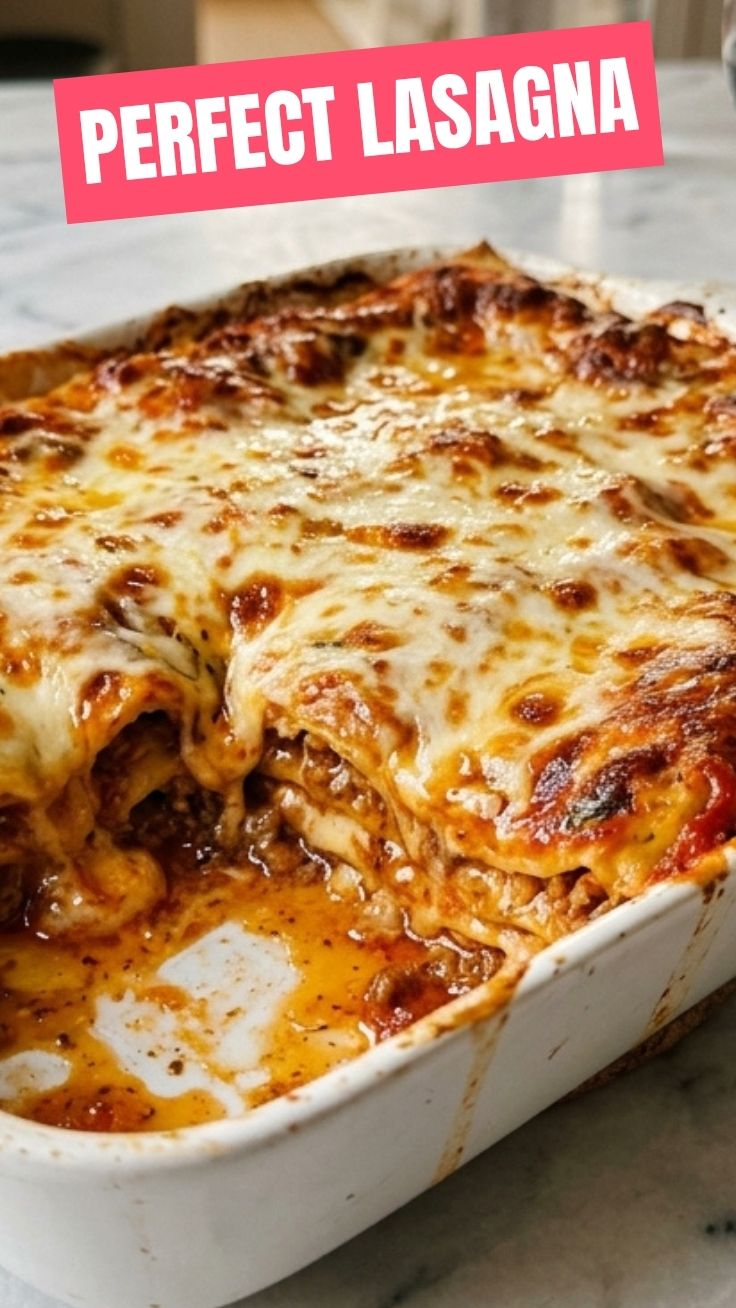
Ever wondered how to create a show-stopping homemade Lasagna that would make any Italian nonna proud? The rich layers of savory meat sauce, creamy béchamel, tender Pasta, and bubbling cheese are a culinary masterpiece that often intimidates home cooks. But fear not! Mastering this iconic dish at home isn’t just about crafting a delicious meal; it’s about the joy of creating something truly special, tailored to your taste, and far superior to any store-bought alternative. This comprehensive guide will walk you through every step, ensuring your next Lasagna is nothing short of perfection, showcasing the beautiful versatility of the Pasta medium.
Ingredients & Kitchen Tools
Crafting the perfect Lasagna requires a blend of fresh ingredients and essential kitchen tools. Here’s what you’ll need:
- For the Meat Sauce (Ragu):
* 2 tablespoons olive oil: For sautéing aromatics.
* 1 large onion, finely chopped: Adds a sweet, aromatic base.
* 3 cloves garlic, minced: Essential for deep flavor.
* 1 pound ground beef (80/20 lean) or a mix of beef and Italian sausage: The hearty foundation of the sauce.
* 1 (28-ounce) can crushed tomatoes: Provides rich tomato flavor and texture.
* 1 (15-ounce) can tomato sauce: Thins the crushed tomatoes for a smoother consistency.
* 2 tablespoons tomato paste: Concentrates tomato flavor.
* 1/2 cup red wine (optional): Adds depth and acidity; use a dry variety like Merlot or Cabernet Sauvignon.
* 1 teaspoon dried oregano: Classic Italian herb.
* 1/2 teaspoon dried basil: Another essential Italian herb.
* Salt and freshly ground black pepper to taste: Seasoning is key.
- For the Béchamel Sauce:
* 4 tablespoons unsalted butter: Base for the roux.
* 4 tablespoons all-purpose flour: Thickening agent for the béchamel.
* 4 cups whole milk, warm: Creates a creamy, smooth sauce.
* 1/2 teaspoon freshly grated nutmeg: Enhances the creaminess and flavor of béchamel.
* Salt and white pepper to taste: Seasoning.
- For the Lasagna Layers:
* 12-15 oven-ready Pasta noodles (no-boil): Saves time and simplifies the process. (Alternatively, 12-15 sheets of traditional lasagna pasta, cooked al dente).
* 15 ounces ricotta cheese: Adds a creamy, tangy layer.
* 1 large egg: Binds the ricotta mixture.
* 1/2 cup grated Parmesan cheese: For flavor in the ricotta.
* 1/2 cup chopped fresh parsley: Adds freshness to the ricotta.
* 2 cups shredded mozzarella cheese: For that classic gooey top.
* 1/2 cup grated Parmesan cheese (for topping): Final flourish of flavor.
- Kitchen Tools:
* Large Dutch oven or heavy-bottomed pot: For the meat sauce.
* Medium saucepan: For the béchamel sauce.
* 9×13 inch baking dish: The vessel for your lasagna creation.
* Whisk: For smooth béchamel.
* Sturdy spoon/spatula: For stirring and layering.
Prep Time & Cooking Schedule
- Prep Time: 45 minutes (includes chopping vegetables, preparing sauces, and mixing ricotta)
- Cook Time: 50-60 minutes (covered and uncovered baking)
- Resting Time: 15-20 minutes (crucial for setting and easy slicing)
- Total Time: Approximately 2 hours 30 minutes
This recipe involves several components, so planning is essential. You can make the meat sauce and béchamel a day ahead and refrigerate them, assembling the lasagna just before baking. This makes it a fantastic make-ahead option for entertaining.
Step-by-Step Instructions
Let’s assemble that magnificent Lasagna, layer by delicious layer, truly celebrating the art of Pasta preparation!
1. Prepare the Meat Sauce (Ragu): Heat olive oil in a large pot over medium heat. Sauté onion until softened (5-7 minutes). Add garlic and cook for 1 minute until fragrant. Add ground meat, breaking it up with a spoon, and cook until browned. Drain excess fat. Stir in tomato paste, cooking for 1 minute. Deglaze with red wine (if using), scraping up any browned bits. Add crushed tomatoes, tomato sauce, oregano, basil, salt, and pepper. Bring to a simmer, then reduce heat to low, cover, and cook for at least 30 minutes (or up to 2 hours for deeper flavor), stirring occasionally.
2. Make the Béchamel Sauce: In a medium saucepan, melt butter over medium heat. Whisk in flour to form a smooth roux; cook for 1-2 minutes. Gradually whisk in warm milk, ensuring no lumps form. Continue whisking until the sauce thickens and coats the back of a spoon (about 5-7 minutes). Stir in nutmeg, salt, and white pepper. Remove from heat.
3. Prepare the Ricotta Mixture: In a medium bowl, combine ricotta cheese, egg, 1/2 cup Parmesan cheese, and fresh parsley. Season with a pinch of salt and pepper.
4. Assemble the Lasagna: Spread a thin layer of meat sauce on the bottom of your 9×13 inch baking dish. Lay 3-4 no-boil Pasta noodles over the sauce. Spread half of the ricotta mixture over the noodles. Top with about 1 cup of meat sauce, then a generous drizzle of béchamel sauce, and sprinkle with some mozzarella. Repeat the noodle, ricotta, meat sauce, béchamel, and mozzarella layers. Finish with a final layer of noodles, generously topped with remaining meat sauce, béchamel, and a final layer of mozzarella and the remaining 1/2 cup Parmesan cheese.
5. Bake: Cover the baking dish tightly with foil. Bake in a preheated oven at 375°F (190°C) for 25 minutes. Remove the foil and bake for another 25-30 minutes, or until the cheese is bubbling and golden brown.
6. Rest: Let the lasagna rest for 15-20 minutes before slicing and serving. This allows the layers to set, making for cleaner cuts.
Nutritional Benefits & Advantages
Homemade Lasagna offers a balanced meal. The meat sauce provides protein for muscle repair and iron, while the tomatoes are rich in lycopene, a potent antioxidant. The dairy from ricotta and mozzarella supplies calcium for bone health. By using whole wheat Pasta or adding extra vegetables to your sauce, you can increase nutrient density and fiber content, making this hearty dish even more beneficial.
Tips, Variations & Cooking Advice
- Flavor Boost: For an even richer sauce, add a splash of balsamic vinegar or a pinch of red pepper flakes for heat.
- Vegetarian Lasagna: Omit the meat and incorporate layers of sautéed spinach, mushrooms, zucchini, or roasted bell peppers.
- Gluten-Free: Use gluten-free lasagna noodles. Ensure other ingredients (like flour in béchamel) are certified gluten-free.
- Dairy-Free: Substitute dairy ingredients with plant-based alternatives (almond milk for béchamel, vegan ricotta, and mozzarella).
- Make Ahead: Both the meat sauce and béchamel can be made 1-2 days in advance and stored in the refrigerator. Assemble the day of baking.
- Freezing: Assembled but unbaked lasagna freezes beautifully. Cover tightly with plastic wrap and foil. Thaw in the refrigerator overnight before baking, adding 15-20 minutes to the covered baking time.
Common Mistakes to Avoid
- Watery Lasagna: This often happens if noodles are overcooked, ricotta isn’t drained, or sauces are too thin. Ensure noodles are al dente (if boiling), drain ricotta, and reduce sauces adequately.
- Dry Lasagna: Not enough sauce can lead to a dry texture. Be generous with your meat and béchamel.
- Cutting Too Soon: Resist the urge to slice immediately after baking. The resting time is crucial for the layers to set, preventing a crumbled mess.
- Under-Seasoning: Taste your sauces as you go. A well-seasoned sauce is the backbone of a flavorful lasagna.
Storage & Meal Prep Tips
Leftover Lasagna is often even better the next day! Store cooled slices in an airtight container in the refrigerator for up to 3-4 days. For longer storage, individual portions can be frozen for up to 3 months. To reheat, microwave individual portions until hot, or cover and bake larger portions in the oven at 350°F (175°C) until warmed through. Add a splash of water or broth if it seems dry before reheating.
Conclusion
Creating a homemade Lasagna from scratch is a rewarding experience that yields incredibly delicious results. By following these detailed steps, you can confidently prepare a dish that’s rich in flavor, comforting, and perfect for any occasion. Don’t be afraid to experiment with different cheeses or adjust the seasonings to make it your own. And remember, the key to truly great Pasta dishes lies in patience and fresh ingredients. Share your homemade culinary creations with us – we can’t wait to see your perfect Lasagna!
FAQs
Q1: Can I use fresh lasagna noodles instead of no-boil?
A1: Yes, absolutely! If using fresh noodles, you may need to adjust the baking time slightly as they cook faster. No need to pre-boil fresh noodles.
Q2: What’s the best way to prevent my lasagna from falling apart when slicing?
A2: The crucial step is the resting time after baking. Allowing it to rest for 15-20 minutes lets the sauces and cheeses set, resulting in cleaner, more defined slices.
Q3: Can I add vegetables to the meat sauce?
A3: Yes, finely diced carrots, celery, bell peppers, or mushrooms are excellent additions to the meat sauce to boost flavor and nutrition. Sauté them with the onions and garlic.
Q4: My béchamel sauce is lumpy, what went wrong?
A4: Lumps typically occur if the milk is added too quickly or isn’t warmed. Always add milk gradually while whisking constantly and ensure your milk is at least room temperature or slightly warm. If lumps persist, you can strain the sauce through a fine-mesh sieve.