Master the Art of Homemade Lasagna: A Comprehensive Guide to Culinary Perfection
Ever wondered how to transform your kitchen into a haven of aromatic bliss, serving up a dish that’s both comforting and undeniably sophisticated? Preparing a homemade Lasagna isn’t just about following a recipe; it’s an experience, a journey into the heart of Italian cuisine that yields incredible rewards. There’s a profound satisfaction in crafting this classic from scratch, far surpassing any store-bought alternative. This guide will walk you through every step, ensuring your efforts result in a rich, deeply flavored dish that will impress even the most discerning palates. Let’s unlock the secrets to a truly unforgettable Lasagna.
Ingredients & Kitchen Tools
To embark on your culinary adventure, gather these essential components:
For the Meat Sauce:
- 1 tbsp Olive Oil: For sautéing aromatics and browning meat.
- 1 lb Ground Beef or Italian Sausage: Lean ground beef for a classic taste, or Italian sausage for an extra flavor kick. Substitutions: Ground turkey or a plant-based crumble for a lighter version.
- 1 Large Onion, finely chopped: Adds sweetness and depth to the sauce.
- 2-3 Cloves Garlic, minced: Essential aromatic for any good Italian cuisine.
- 1 (28 oz) Can Crushed Tomatoes: The backbone of a rich red sauce.
- 1 (15 oz) Can Tomato Sauce: Adds a smoother consistency.
- 1 (6 oz) Can Tomato Paste: Intensifies tomato flavor.
- 1/2 cup Red Wine (optional): Adds complexity and depth; ideally a dry red like Merlot or Cabernet Sauvignon.
- 2 tsp Dried Oregano: Classic Italian herb.
- 1 tsp Dried Basil: Another essential dried herb.
- 1/2 tsp Salt: Seasoning.
- 1/4 tsp Black Pepper: Seasoning.
- 1 Bay Leaf: Infuses subtle aroma; remember to remove before serving.
For the Ricotta Mixture:
- 15 oz Ricotta Cheese: Creamy base for the cheese layers. Whole milk ricotta offers a richer texture.
- 1 Large Egg: Binds the mixture together.
- 1/2 cup Grated Parmesan Cheese: Adds salty, nutty flavor.
- 1/4 cup Fresh Parsley, chopped: Brightens the flavor.
- 1/2 tsp Salt: Seasoning.
- 1/4 tsp Black Pepper: Seasoning.
For Assembly:
- 12-15 Oven-Ready or No-Boil Lasagna Noodles: Simplifies assembly by eliminating the need to boil. If using traditional noodles, boil al dente according to package directions.
- 8 oz Shredded Mozzarella Cheese: Melty, classic cheese topping.
- 1/4 cup Grated Parmesan Cheese: For sprinkling on top.
Kitchen Tools:
- Large Skillet or Dutch Oven: For preparing the meat sauce.
- 9×13 inch Baking Dish: The ideal size for a standard Lasagna.
- Large Mixing Bowl: For the ricotta mixture.
- Spatula or Wooden Spoon: For stirring.
- Measuring Cups and Spoons: For accurate ingredient amounts.
- Aluminum Foil: For covering during baking.
Prep Time & Cooking Schedule
- Prep Time: 30 minutes (This includes chopping vegetables and mixing the ricotta.)
- Cook Time (Sauce Simmering): 30-45 minutes (Allows flavors to meld beautifully.)
- Bake Time: 30 minutes covered, 15-20 minutes uncovered (For perfect melting and browning.)
- Resting Time: 10-15 minutes (Crucial for the layers to set, preventing a watery, crumbling mess when slicing.)
Plan Your Day: Start your sauce in the morning or the day before, as its flavor improves with time. Assembly is quick once the sauce is ready, making it a perfect make-ahead meal for entertaining or busy weeknights.
Step-by-Step Instructions
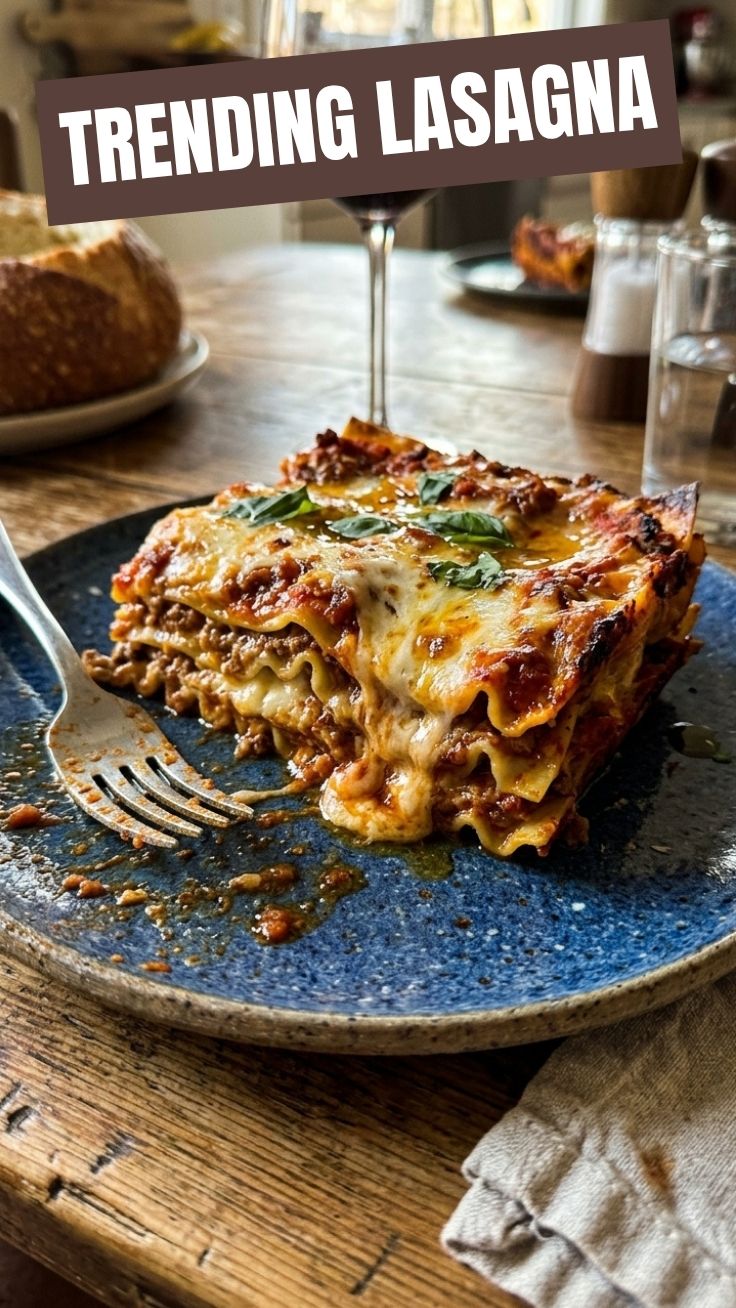
1. Prepare the Meat Sauce: Heat olive oil in a large skillet or Dutch oven over medium heat. Add ground meat, breaking it up with a spoon, and cook until browned. Drain any excess fat. Add chopped onion and sauté until softened, about 5-7 minutes. Stir in minced garlic and cook for another minute until fragrant. Pour in red wine (if using) and deglaze the pan, scraping up any browned bits. Stir in crushed tomatoes, tomato sauce, tomato paste, oregano, basil, salt, pepper, and bay leaf. Bring to a simmer, then reduce heat to low, cover, and let it gently simmer for at least 30 minutes, or up to an hour, for flavors to deepen. Remove the bay leaf before assembly. This robust sauce is the heart of any authentic Lasagna, embodying the rich traditions of Italian cuisine.
2. Make the Ricotta Mixture: In a large mixing bowl, combine ricotta cheese, egg, 1/2 cup Parmesan cheese, fresh parsley, salt, and pepper. Mix until well combined.
3. Preheat Oven & Assemble: Preheat your oven to 375°F (190°C). Spread a thin layer of meat sauce on the bottom of your 9×13 inch baking dish. This prevents noodles from sticking.
4. Layering Magic:
* Place a single layer of Lasagna noodles over the sauce (break noodles if needed to fit).
* Spread half of the ricotta mixture evenly over the noodles.
* Top with about a third of the remaining meat sauce.
* Sprinkle with a generous layer of mozzarella cheese.
* Repeat layers: noodles, remaining ricotta, another third of the meat sauce, and more mozzarella.
* Finish with a final layer of noodles, the remaining meat sauce, and generously sprinkle with the remaining mozzarella and 1/4 cup Parmesan cheese.
5. Bake: Cover the baking dish tightly with aluminum foil (you can lightly spray the underside of the foil with cooking spray to prevent cheese from sticking). Bake for 30 minutes.
6. Uncover & Brown: Remove the foil and bake for an additional 15-20 minutes, or until the cheese is bubbly and golden brown.
7. Rest: This is crucial! Let the Lasagna rest for 10-15 minutes before slicing and serving. This allows the layers to set and prevents it from falling apart.
Nutritional Benefits & Advantages
Homemade Lasagna, when made with quality ingredients, offers several nutritional advantages. It’s a good source of protein from the meat and cheese, essential for muscle repair and growth. Tomatoes provide lycopene, a potent antioxidant. By making it at home, you control the amount of sodium and unhealthy fats, making it a healthier alternative to many restaurant versions. Adding vegetables like spinach or zucchini to the sauce can further boost its nutritional profile.
Tips, Variations & Cooking Advice
- Spice it up: Add a pinch of red pepper flakes to the meat sauce for a spicy kick.
- Vegetarian Version: Omit the meat and double the sauce, adding sautéed mushrooms, spinach, and bell peppers.
- Cheesy Variations: Experiment with different cheeses! Provolone, Fontina, or even a smoked mozzarella can add unique flavor dimensions.
- Herb Garden: Incorporate fresh basil or oregano leaves into the layers for a brighter, more aromatic dish.
- Make Ahead: The assembled Lasagna can be covered and refrigerated for up to 24 hours before baking. Add an extra 10-15 minutes to the covered baking time if baking from cold.
- White Sauce (Béchamel): For a truly authentic experience, replace the ricotta mixture with a homemade béchamel sauce for an even creamier result.
Common Mistakes to Avoid
- Not Draining Fat: Excess fat from ground meat can make your sauce greasy. Always drain after browning.
- Over-Boiling Noodles: If using traditional noodles, don’t overcook them. They will continue to cook in the oven. Al dente is perfect.
- Too Much Sauce: While delicious, overloading with sauce can create a soupy Lasagna. Maintain balanced layers.
- Skipping the Rest Time: This is the most common mistake! Allowing your Lasagna to rest ensures perfectly cut, intact slices.
- Not Covering During Initial Bake: Covering with foil prevents the top layer from burning while the interior cooks through.
Storage & Meal Prep Tips
- Refrigeration: Leftover Lasagna can be stored in an airtight container in the refrigerator for up to 3-4 days.
- Freezing: This dish freezes beautifully! Once completely cooled, cut into individual portions or leave whole. Wrap tightly in plastic wrap, then aluminum foil. It can be frozen for up to 3 months.
- Reheating:
* From Refrigerator: Reheat individual slices in the microwave for 2-3 minutes, or in the oven at 350°F (175°C) for 20-25 minutes, covered with foil, until heated through.
* From Frozen: Thaw overnight in the refrigerator, then reheat as above. For quicker reheating, you can bake from frozen, covered, at 350°F (175°C) for 45-60 minutes, then uncover for the last 15 minutes.
Conclusion
Crafting a homemade Lasagna is more than just cooking; it’s an act of love, a delicious journey into the heart of Italian cuisine. By following these detailed steps and embracing the tips, you’re not just making a meal; you’re creating a memorable experience. The rich, layered flavors, the comforting aroma, and the sheer joy of sharing this culinary masterpiece make every effort worthwhile. Don’t hesitate – dive into your kitchen and prepare this exquisite Lasagna. Share your results in the comments below, and let us know your favorite variations! Buon appetito!
FAQs
Q1: Can I make the meat sauce ahead of time?
A1: Absolutely! The meat sauce can be made 1-2 days in advance and stored in an airtight container in the refrigerator. In fact, its flavor often improves overnight.
Q2: What’s the difference between oven-ready and traditional Lasagna noodles?
A2: Oven-ready or no-boil noodles are thinner and designed to cook directly in the oven, absorbing moisture from the sauce. Traditional noodles require pre-boiling to al dente before assembly.
Q3: My Lasagna turned out watery. What went wrong?
A3: This can happen if your sauce is too thin, your ricotta mixture isn’t drained well enough, or you didn’t allow the Lasagna to rest after baking. Ensure your sauce is thick, and if using wet ricotta, consider draining it in a sieve for 30 minutes. Always rest the baked dish!
Q4: Can I add vegetables to my Lasagna?
A4: Yes, absolutely! Sautéed spinach, mushrooms, bell peppers, or zucchini can be added to the meat sauce or layered with the ricotta mixture for extra flavor and nutrients.
Q5: How do I prevent the top from burning while the inside cooks?
A5: Cover the baking dish tightly with aluminum foil for the first 30 minutes of baking. This traps moisture and heat, allowing the noodles to cook and the interior to heat through without burning the cheese. Remove the foil for the last 15-20 minutes to brown the cheese.